Orthotic shell design directly affects the structure, rigidity, fit, and overall performance of an orthotic insole. For wholesalers, distributors, and private-label brands, selecting the right shell material and structural configuration is essential when developing products for different footwear applications and market requirements.
Key considerations include material type, shell thickness, arch profile, heel cup geometry, and manufacturing method. These specifications should be defined during product development to maintain consistency between samples and bulk production.
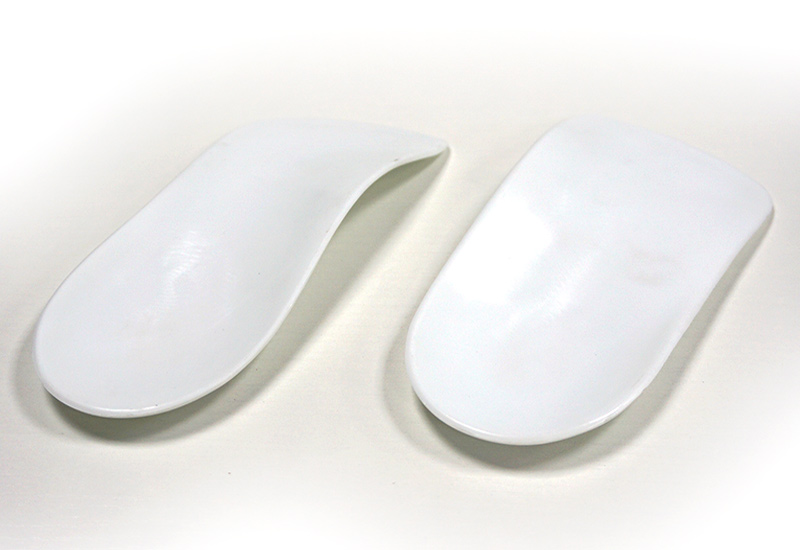
Key Elements of Orthotic Shell Design
An orthotic shell is the structural foundation of many orthotic insoles. Its design determines how the insole maintains its shape and combines with other materials.
- Material: Determines the shell’s rigidity, flexibility, weight, and processing requirements.
- Thickness: Influences structural stiffness and the overall profile of the insole.
- Arch profile: Defines the height and contour of the supporting structure.
- Heel cup: Determines the depth and shape of the rearfoot section.
- Shell length: Affects footwear compatibility and the available space for cushioning materials.
- Surface geometry: Influences how the shell connects with other insole components.
Material Selection for Orthotic Shells
Material selection depends on the required shell structure, processing method, product positioning, and target application. PP and TPU are commonly considered for structural components, while EVA and PU-based materials are often used in cushioning layers.
Polypropylene (PP)
Polypropylene is widely used in orthotic shell production because it offers a relatively rigid structure with low weight. It can be thermoformed into different shapes, allowing manufacturers to adjust the arch profile, heel cup, and overall shell geometry.
Its final properties depend on the material grade, thickness, forming temperature, and structural design. These factors should be evaluated together during sample development.
Thermoplastic Polyurethane (TPU)
Thermoplastic Polyurethane (TPU) is available in different hardness and flexibility grades. It can be used in selected orthotic structures where controlled flexibility and durable material performance are required.
TPU is also suitable for 3D printing, which allows manufacturers to develop customized geometries and lattice structures. However, TPU and PP have different material characteristics and processing requirements, so they should not be treated as direct replacements for each other.
Other Materials Used in Orthotic Insoles
Other materials are generally selected according to the functional requirements of the complete insole construction.
| Material | Common Characteristics | Typical Application |
|---|---|---|
| PP | Lightweight, relatively rigid, thermoformable | Structural orthotic shells |
| TPU | Adjustable flexibility and hardness | Selected structural components and 3D printed parts |
| EVA | Lightweight, available in different densities and hardness levels | Base layers, wedges, and cushioning components |
| PU Foam | Soft cushioning and flexible construction options | Cushioning layers |
| PORON | Resilient cushioning material | Localized cushioning areas |
Structural Parameters That Affect Shell Performance
Shell Thickness and Rigidity
Shell thickness is a key specification in orthotic shell design. Thicker materials generally provide greater stiffness, while thinner materials can offer more flexibility. However, the actual result also depends on material properties and shell geometry.
Manufacturers should evaluate thickness alongside the required rigidity, footwear space, and complete insole construction. The specification should be confirmed through sample testing before bulk production.
Arch Profile
The arch profile determines the shape and height of the shell’s midfoot section. Different designs require different arch contours, so manufacturers need clear drawings, dimensions, or approved reference samples before production.
Consistent arch geometry is particularly important when maintaining product specifications across multiple sizes.
Heel Cup
The heel cup is another important structural feature. Its depth, width, and shape affect the rearfoot construction and the available space for additional materials.
Heel cup dimensions should be defined in the technical drawing and checked during sample approval to reduce variation in production.
Shell Length
Orthotic shells can be developed in different lengths, including full-length and shorter configurations. The selected length affects footwear compatibility, cushioning coverage, and the position of the shell within the complete insole.
Buyers should confirm the intended footwear dimensions and overall insole profile before finalizing the shell specification.
Combining Shells with Cushioning Materials
Orthotic shells are often combined with cushioning materials to create a complete insole structure. EVA, PU foam, and PORON can be incorporated according to the required construction and product positioning.
- EVA: Used in base layers, cushioning sections, and wedges. Different densities and hardness levels allow variations in construction.
- PU Foam: Provides a flexible cushioning layer and can be used in selected insole structures.
- PORON: Can be added to specific areas where additional cushioning is required.
- Textile Top Covers: Microfiber, mesh, and other fabrics can be selected according to appearance and surface requirements.
Material thickness, bonding compatibility, and the total insole profile should be considered during development. These details help avoid excessive bulk and inconsistencies between the shell and cushioning layers.
Orthotic Shell Manufacturing Processes
The manufacturing process depends on the shell material, design complexity, production volume, and required dimensions.
Thermoforming
Thermoforming is commonly used for PP shells. The material is heated and formed over a mold to achieve the required shape. Process parameters and mold accuracy influence the final shell geometry.
CNC Milling
CNC Milling uses programmed cutting paths to process shell materials or orthotic components according to digital designs. It supports repeatable dimensions and customized geometries, making it suitable for specific production requirements.
3D Printing
3D Printing allows manufacturers to produce customized shell structures directly from digital models. It is suitable for complex geometries and selected TPU applications. Design adjustments can be made digitally before production, reducing the need for traditional tooling in certain development projects.
Cutting, Bonding and Finishing
After shell production, additional processes may include trimming, surface finishing, bonding, and assembly. Manufacturers should check edge quality, dimensional accuracy, and bonding consistency before the completed insoles move to final inspection.
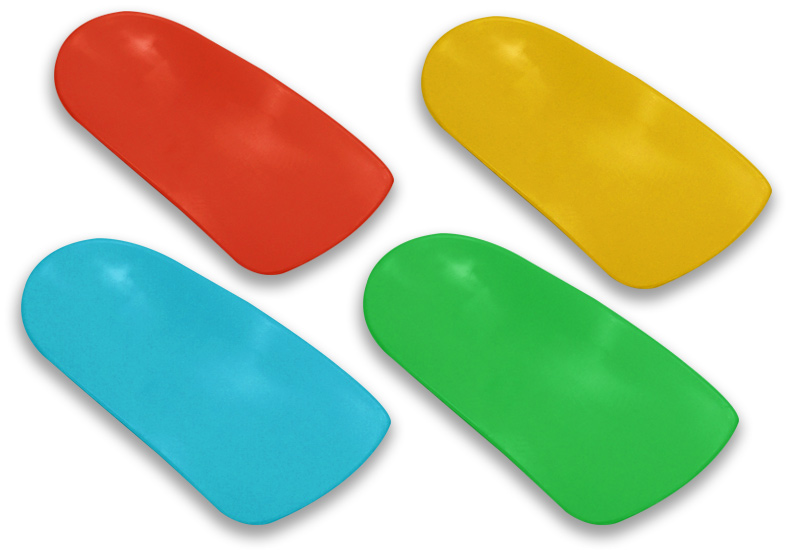
Technical Specifications for Custom Orthotic Shells
Clear technical specifications help manufacturers evaluate project requirements and prepare accurate samples. Buyers should provide the following information whenever available.
| Specification | Details to Confirm |
|---|---|
| Material | PP, TPU, or other specified materials |
| Thickness | Required thickness and allowable tolerance |
| Rigidity | Required stiffness or flexibility |
| Arch Profile | Arch height, contour, and dimensions |
| Heel Cup | Depth, width, and shape |
| Shell Length | Full-length or partial-length configuration |
| Size Range | Required sizes and size grading |
| Additional Materials | EVA, PU foam, PORON, and top cover requirements |
| Customization | Color, logo, packaging, and other specifications |
Sample Approval and Quality Control
Sample approval is an important step before mass production. It allows buyers and manufacturers to confirm whether the shell structure, dimensions, and material combination meet the agreed specifications.
Key inspection points include:
- Material verification: Check the specified material, thickness, and relevant material properties.
- Dimensional inspection: Verify shell length, width, arch profile, and heel cup dimensions.
- Structural consistency: Check for deformation, uneven edges, and visible production defects.
- Assembly inspection: Evaluate bonding quality and the alignment of different insole layers.
- Production consistency: Compare finished products with the approved sample and technical specifications.
Any changes to materials, dimensions, or construction should be confirmed before the production specification is finalized.
Common Issues in Orthotic Shell Development
Several issues can affect product development and production consistency:
- Unclear rigidity requirements: Without a defined material grade or stiffness target, the finished shell may differ from the intended design.
- Incomplete technical drawings: Missing dimensions can lead to differences in arch profiles, heel cups, and shell lengths.
- Footwear compatibility problems: The shell and cushioning layers may exceed the available shoe space if the total profile is not considered.
- Material mismatch: An unsuitable material may not meet the required processing or structural specifications.
- No approved reference sample: Without sample confirmation, it becomes more difficult to maintain consistent bulk production.
Providing complete technical information and confirming samples before production can reduce these development risks.
Ideastep Orthotic Shell Manufacturing Support
Ideastep provides orthotic insole manufacturing and customization services for wholesalers, distributors, foot care suppliers, and private-label brands.
Our development options include:
- PP and TPU shell material options
- Customized shell thickness and geometry
- Different arch profiles and heel cup configurations
- EVA, PU foam, and PORON material combinations
- Customized shell lengths and size ranges
- Top cover, color, logo, and packaging customization
Buyers can provide technical drawings, reference samples, or product specifications for project evaluation. Material selection, structural details, and sample requirements can then be discussed before bulk production.
Frequently Asked Questions
What materials are commonly used for orthotic shells?
PP and TPU are commonly considered for structural shell components. PP is suitable for thermoformed designs, while TPU offers different flexibility options and can be used in selected 3D printed structures. The choice depends on the required geometry, rigidity, and manufacturing process.
How do thickness and rigidity affect shell design?
Thickness and material properties influence shell stiffness and flexibility. However, shell geometry also affects the final structure. Manufacturers should evaluate these factors together rather than selecting thickness alone.
Can orthotic shells be customized?
Yes. Customization can include material, thickness, shell length, arch profile, heel cup geometry, size range, and combinations with cushioning materials. Specific options depend on the product design and manufacturing requirements.
What information should buyers provide?
Buyers should provide the material preference, dimensions, thickness, rigidity requirements, arch profile, heel cup details, size range, and any additional material or branding requirements. Technical drawings or reference samples can help clarify the design.
Discuss Your Orthotic Shell Project
Choosing the right material and structural configuration is essential when developing orthotic shells for wholesale and private-label production. Ideastep can support material selection, structural customization, sample development, and OEM/ODM manufacturing based on your project specifications.
Contact Ideastep to discuss your orthotic shell design project.
Related Articles:
Heat-Moldable TPU Orthotic Shells with Adjustable Rigidity and Ultra-Thin Heel
Stable Arch Support & OEM Supply: TPU Orthotic Shell for Custom Orthotics