Introduction
Mold design directly affects the structure, dimensions, and material distribution of orthotic insoles. Arch height, heel cup geometry, forefoot thickness, and flexibility all depend on how the product is designed and formed.
Ortho Flex Mold Technology provides a useful framework for discussing the relationship between flexible structures and mold-based orthotic insole development. For manufacturers, the key considerations are mold geometry, material compatibility, component integration, and dimensional consistency.
This article examines these factors from a manufacturing perspective, with a focus on custom development and wholesale production.
1. Understanding Ortho Flex Mold Technology
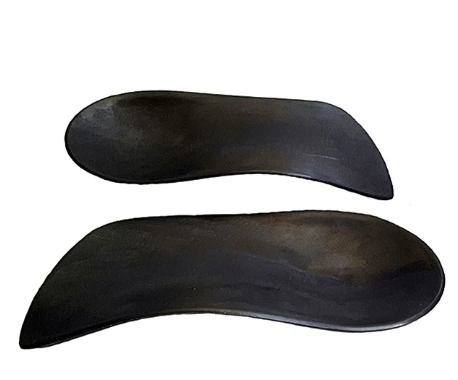
In orthotic insole manufacturing, mold technology translates product designs into three-dimensional structures. It determines key features such as arch contours, heel cup depth, forefoot profiles, and overall thickness.
A flexible mold-based design approach considers how different sections of an insole can combine structural support with controlled flexibility. Instead of treating the product as a uniform structure, manufacturers can specify different materials, thicknesses, and support components for individual areas.
Typical design elements include:
- Contoured arch sections with specified heights and profiles
- Integrated or separately assembled heel cup structures
- Flexible forefoot sections
- Different material densities across selected areas
- TPU or PP reinforcement components
The mold structure must match the product drawing and selected material. Cavity geometry, forming allowances, and component positioning all affect the finished dimensions.
2. Key Mold Design Considerations
Mold geometry determines the shape of the finished insole. Manufacturers should define the main structural dimensions before tooling or sample development.
Arch Profile
Arch height, length, width, and contour are important parameters in orthotic insole design. Common configurations include low, medium, and high profiles, as well as different arch lengths.
The selected material must maintain the specified geometry after forming. For designs that combine foam bases with rigid or semi-rigid shells, the mold and component dimensions should be coordinated.
Heel Cup Geometry
Heel cup design involves depth, width, wall angle, and the transition into the arch section. These dimensions should follow the approved product specification.
Manufacturers should also confirm whether the heel structure is molded directly into the base or assembled with a separate support shell. This decision affects tooling, material selection, and assembly.
Forefoot Thickness and Flexibility
The forefoot may require a different structure from the arch and rearfoot. Some designs use a thinner, more flexible forefoot section while retaining a defined arch or heel structure.
Thickness transitions should be clearly specified to maintain consistent geometry across the product and size range.
3. Material Selection for Mold-Based Insole Design
Material selection must match both the intended structure and the forming process. EVA, PU, TPU, and PP have different physical and processing characteristics, so manufacturers should evaluate each material according to its application.
| Material | Typical Application | Key Considerations |
|---|---|---|
| EVA Foam | Base layers, cushioning, and molded arch sections | Density, hardness, compression, and dimensional stability |
| PU Foam | Molded footbeds and cushioning layers | Density, resilience, and forming characteristics |
| TPU | Support shells and reinforcement components | Hardness, flexibility, and component geometry |
| PP | Semi-rigid and rigid support shells | Thickness, stiffness, and forming requirements |
| Microfiber and Polyester Fabric | Top covers and surface layers | Surface finish, bonding, and thickness |
EVA and PU Foam
EVA and PU are common materials for the main body and cushioning sections of orthotic insoles. Both are available in different grades and thicknesses.
EVA can be used in single-density or multi-density constructions. PU offers additional options for molded cushioning structures. Material selection should consider hardness, compression characteristics, and the ability to retain the required product shape.
TPU and PP Support Components
TPU and PP are suitable options for designs requiring a more defined support structure.
TPU offers different hardness and flexibility options, making it suitable for shaped reinforcement components. PP is commonly used for semi-rigid or rigid shells, including arch and rearfoot structures.
When integrating these components with foam bases, manufacturers should confirm shell thickness, edge profiles, bonding requirements, and positioning.
Top Cover Materials
Microfiber and polyester fabrics are commonly used as surface layers. Their thickness, texture, and bonding compatibility should be considered during product development to ensure that the finished assembly matches the approved specification.
4. Common Orthotic Insole Construction Methods
Different product requirements call for different material arrangements. The main construction options include single-material molding, multi-layer assembly, and multi-density foam structures.
Single-Material Molded Construction
This construction uses one primary material to form the main insole body. EVA and PU are common options.
It is suitable for designs where the required geometry can be achieved without separate reinforcement components. A simpler component layout can also reduce assembly requirements.
Multi-Layer Construction
Multi-layer designs combine materials with different structural properties. A typical configuration may include:
- EVA or PU base layer
- TPU or PP support shell
- Additional cushioning layer
- Microfiber or polyester top cover
Each layer requires a defined position and thickness. Manufacturers should also confirm bonding compatibility and the assembly sequence before sample production.
Multi-Density EVA Construction
Multi-density EVA combines foam grades with different hardness levels in one product. Firmer sections can be used in selected structural areas, while softer sections can form cushioning zones.
The density arrangement, bonding method, and overall thickness should follow the product drawing. These specifications are particularly important when developing a consistent range of sizes.
Heat-Moldable Components
Selected thermoplastic materials, including certain PP grades, can be formed under controlled heating conditions.
Processing requirements depend on the material specification. Temperature, forming time, and cooling conditions should be confirmed for the selected grade rather than applied as universal settings.
5. Mold Development for Custom Orthotic Insoles
Custom projects often involve changes to arch profiles, heel structures, dimensions, and material combinations. Mold development should begin with clear product information.
Design Input and Mold Geometry
Manufacturers can use CAD drawings, reference samples, measurements, or product specifications to evaluate the required structure.
Key dimensions include:
- Overall length and width
- Arch height and contour
- Heel cup depth and width
- Forefoot thickness
- Material thickness and forming allowance
- Position of reinforcement components
These details help determine whether existing tooling can be adjusted or new tooling is required.
Sample Approval
Before bulk production, the sample should be checked against the agreed specifications.
The review should cover:
- Overall dimensions and product shape
- Arch and heel geometry
- Material hardness and thickness
- Layer alignment and bonding
- Surface finish and edge quality
Any required adjustments should be recorded and reflected in the revised sample or product drawing. The approved sample then serves as a reference for production.
Size Grading
For products covering multiple sizes, manufacturers must review how arch position, heel cup proportions, and forefoot dimensions change across the size range.
Scaling only the overall length may not maintain the intended structural proportions. A defined grading plan helps control these differences and supports more consistent production.
6. Production and Quality Control Factors
The choice of mold and forming method should reflect the product structure, material, and expected order volume.
Material and Process Compatibility
EVA, PU, TPU, and PP have different processing requirements. Manufacturers should select forming and assembly methods according to the material grade and component design.
Tooling and Order Volume
Tooling decisions should account for mold complexity, expected production quantity, and future product demand.
For smaller projects, modifying existing tooling may be worth evaluating. Dedicated tooling may be more suitable for products with specific geometry or recurring production requirements. The final approach depends on the project specifications and cost structure.
Dimensional Inspection
Quality checks should focus on the dimensions and features defined in the approved drawing. Common inspection points include:
- Insole length, width, and thickness
- Arch height and position
- Heel cup dimensions
- Material hardness
- Surface finish and edge quality
- Component alignment and bonding
Using consistent inspection criteria helps identify production variation and maintain the approved product specifications across batches.
7. Ortho Flex Mold Technology in OEM and ODM Projects
For orthotic product distributors, footwear brands, and wholesale buyers, mold design is closely connected to customization and production planning.
Depending on the product requirements, an OEM or ODM project may involve adjustments to the following areas:
| Customization Area | Specification Options |
|---|---|
| Arch Structure | Arch height, contour, and dimensions |
| Heel Design | Heel cup depth, width, and shell configuration |
| Material Selection | EVA, PU, TPU, PP, and multi-density combinations |
| Insole Length | Full-length and three-quarter-length designs |
| Top Cover | Microfiber, polyester fabric, and other specified materials |
| Branding and Packaging | Logo application, labels, and private-label packaging |
To assess a project efficiently, buyers can provide CAD drawings, reference samples, product photographs, or dimensional requirements. This information helps the manufacturer review material options, tooling needs, and production feasibility before preparing samples.
8. Discuss Your Custom Insole Project with Ideastep
Ideastep works with orthotic product distributors, wholesalers, footwear brands, and other B2B customers on custom insole development and manufacturing.
Our product options include EVA cushioning bases, TPU and PP support components, multi-density foam constructions, and different top-cover materials. We can review your drawings, reference samples, and technical requirements to discuss a suitable product structure.
If you are developing a new orthotic insole or looking for an additional manufacturing supplier, you are welcome to contact our team. Free samples are available for qualified project inquiries, subject to sample availability and shipping arrangements.
Send us your product requirements or reference design, and we can discuss the available materials, customization options, and next steps together. There is no need to finalize a bulk order before first reviewing the sample options.
Conclusion
Ortho Flex Mold Technology highlights the connection between mold geometry, material selection, and structural design in orthotic insole development.
For manufacturers and B2B buyers, the main priorities are accurate dimensions, compatible materials, controlled component integration, and consistent production specifications. A clear design brief and an approved sample provide a practical starting point for custom development and wholesale manufacturing.