Custom foot inserts need to do more than fit the shape of a shoe. Their construction must account for the intended application, available footwear space, required support and the performance of each material. A design that works well in a running shoe may not be suitable for a work shoe or a slim dress shoe.
For orthotic manufacturers, footwear brands and wholesale buyers, these decisions affect both product performance and manufacturing feasibility. The choice of insert length, base structure, cushioning zones and material combinations should therefore be made as part of one coordinated design process.
1. Establish the Main Design Requirements
The first step is to define what the finished insert needs to achieve. Without clear requirements, material selection can become a process of trial and error.
Several factors deserve attention during product development:
- Support characteristics: Determine whether the design requires a flexible base, a defined arch profile or a more structured support component.
- Cushioning: Consider the required compression and cushioning characteristics, particularly in the heel and forefoot.
- Flexibility: Decide how much the insert should bend with the footwear and whether certain areas need to retain their shape.
- Available space: Check the shoe’s internal volume before setting the insert’s overall thickness.
- Weight: Consider whether a lightweight construction is important for the target footwear category.
- Durability: Select materials and structures that can withstand the expected loading, bending and wear conditions.
These requirements often involve trade-offs. Increasing cushioning thickness, for example, may change the fit inside the shoe. A firmer base may retain its shape more effectively, but could reduce flexibility. Defining priorities early makes subsequent design decisions more straightforward.
2. Select a Construction That Suits the Product
Custom foot inserts are available in several structural configurations. The right option depends on footwear dimensions, product positioning and the level of structural definition required.
Full-Length Inserts
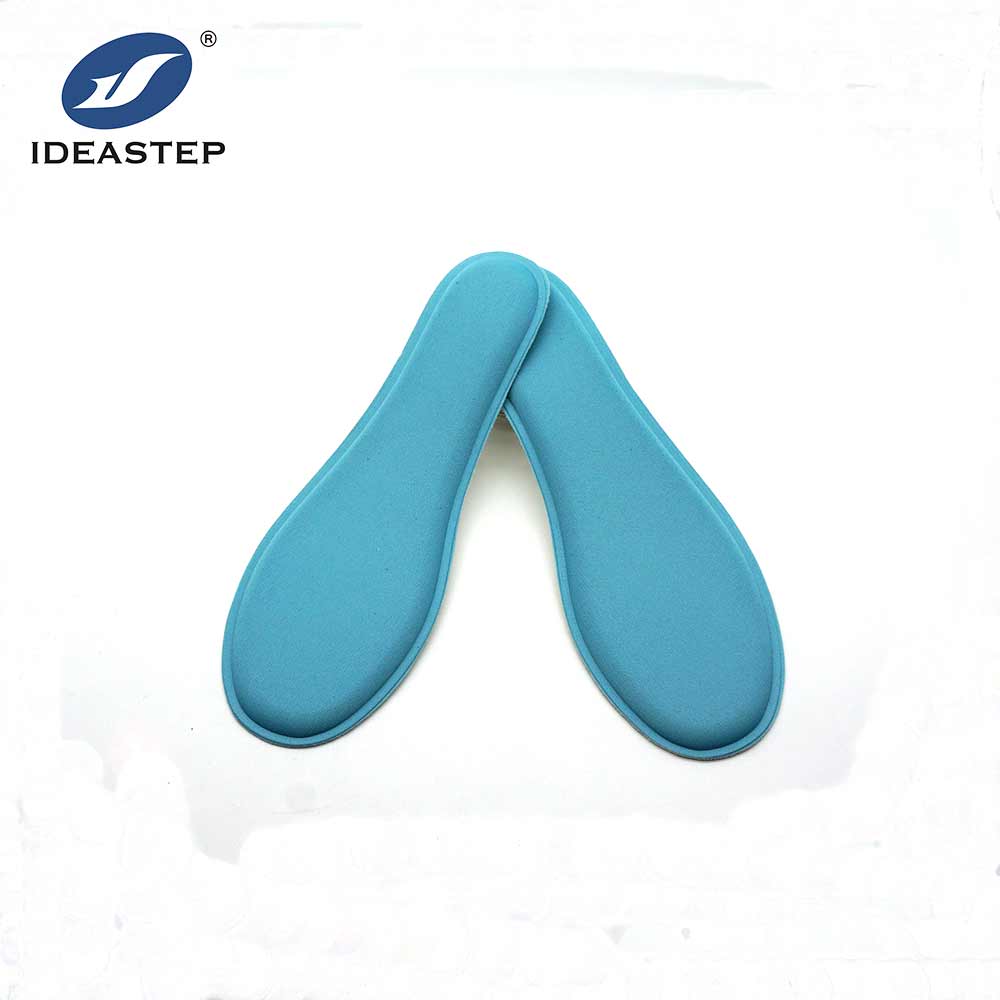
Full-length inserts extend from the heel to the toe and provide a continuous surface across the footbed. They allow manufacturers to combine support and cushioning materials within one construction.
This format is commonly used for sports, casual and work footwear. The main consideration is overall thickness, particularly around the forefoot, where additional material can reduce available toe-box space.
Three-Quarter-Length Inserts
Three-quarter-length designs cover the heel and midfoot while leaving the forefoot area relatively unobstructed.
They can be considered for footwear with limited toe-box volume or product designs that require a shorter profile. The front edge should be shaped carefully so that the transition does not create an uncomfortable step or interfere with the fit.
Molded Support Designs
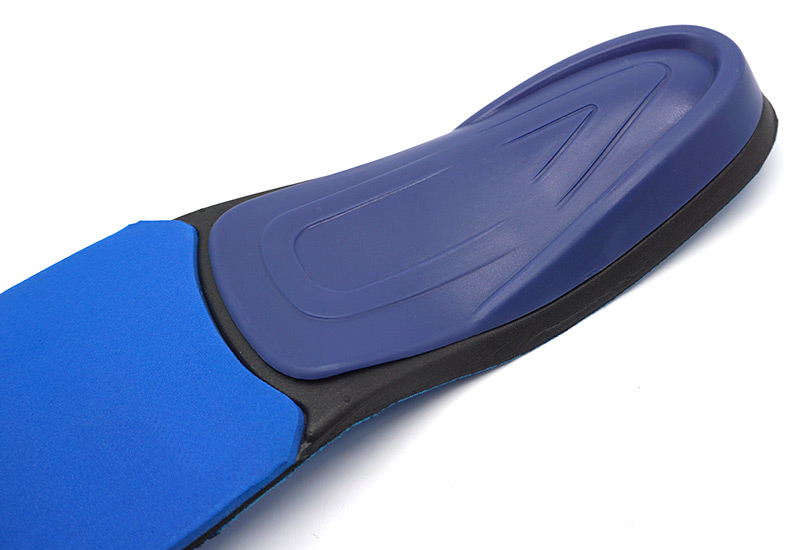
Molded inserts use a shaped base or shell to establish a more defined profile. Depending on the specification, this component may be made from PP, TPU or a suitable firm-grade foam.
The geometry and thickness of the shell influence its stiffness and fit. Manufacturers should assess the complete profile inside the intended footwear rather than evaluating the molded component in isolation.
Zoned and Modular Designs
Some inserts use different materials or thicknesses in selected areas. A firmer midfoot section, for example, can be combined with softer heel and forefoot cushioning.
This approach gives designers more control over the characteristics of individual zones. It also requires accurate positioning and consistent assembly, particularly when components are produced separately.
3. Choose Materials Based on Their Role
Material names alone do not determine product performance. Grade, density, hardness, thickness and processing conditions all influence how a material behaves in the finished insert.
| Material | Relevant Characteristics | Typical Role |
|---|---|---|
| EVA | Available in different densities and hardness levels; lightweight and easy to process | Base layers, cushioning and molded foam components |
| PU | Available in different formulations with varying resilience and compression characteristics | Cushioning layers and heel or forefoot components |
| Poron | Soft cushioning material with shock-absorbing properties | Localized cushioning zones |
| PP | Relatively rigid and suitable for thermoformed components | Structured support shells |
| TPU | Available in different hardness grades, with flexible and durable formulations | Molded reinforcement and support components |
| Cork | Firm structure with distinct weight and flexibility characteristics | Cork-based footbeds and support layers |
| Nylon and Polyester | Available in different textures, finishes and abrasion-resistance levels | Top covers and surface materials |
EVA is often selected when a project requires flexibility in hardness, density and thickness. Different grades can be used within the same product range, provided their specifications are controlled.
PU and Poron are worth considering when cushioning is a key design requirement. PP and TPU serve a different purpose when the construction needs a shaped structural component. Cork offers another option for products with specific material and footbed requirements.
The final choice should be based on technical data and prototype evaluation. Two materials described by the same general category may not perform identically when their formulations or specifications differ.
4. Develop Material Combinations for Specific Requirements
Many custom foot inserts use more than one material. Combining materials allows the construction to provide different characteristics in different areas without relying on a single foam grade.
Firm Base with a Softer Top Layer
A firm EVA base or PP support component can be paired with a softer EVA, PU or Poron layer.
The base provides the main structural form, while the upper layer adds cushioning. The balance depends on the thickness and hardness of both components, as well as the intended footwear.
Lightweight Base with Localized Cushioning
For sports and everyday footwear, a lightweight EVA base can be combined with cushioning in selected areas.
Rather than increasing the thickness across the entire insert, designers can concentrate additional cushioning around the heel or forefoot. This helps control the overall profile while allowing different zones to serve different functions.
Molded Shell with Foam Covering
A PP or TPU component can be combined with EVA or PU foam to create a structured insert with a cushioning surface.
In this construction, shell thickness, edge transitions and the position of the foam layer all matter. Poorly coordinated dimensions can affect the fit, create uneven thickness or make assembly more difficult.
Cork-Based Construction
Cork can serve as the main base or form part of a layered footbed. It may be combined with foam and fabric to adjust the surface finish and overall construction.
The finished product should be assessed for weight, flexibility and layer adhesion. These factors can vary depending on the cork formulation, thickness and supporting materials.
5. Match the Design to the Footwear
Footwear compatibility should be considered before the insert profile is finalized. Internal length, width, heel height and available volume can all restrict the construction.
| Footwear Type | Main Design Considerations | Possible Construction |
|---|---|---|
| Running and sports shoes | Weight, flexibility, cushioning and secure fit | EVA base with selected PU or Poron cushioning |
| Work shoes | Durability, stable construction and repeated compression | Firm EVA base with additional heel cushioning |
| Casual shoes | Versatility, fit and balanced thickness | Full-length EVA or layered foam construction |
| Dress shoes | Limited internal space and slim profile | Thin EVA or three-quarter-length design |
| Orthopedic footwear | Compatibility with the shoe and specified support profile | Molded base or shell with suitable cushioning |
These combinations are starting points, not fixed formulas. The same footwear category can have very different internal dimensions and construction details.
A useful development step is to test the prototype in the actual target shoe. Reviewing the insert separately may not reveal problems caused by limited toe-box space, heel positioning or changes in overall shoe volume.
6. Understand the Trade-Offs Before Finalizing the Design
Most custom foot insert projects involve balancing competing requirements. Recognizing these trade-offs early can reduce unnecessary sample revisions.
Support and flexibility: A firmer base can help maintain a defined shape, but excessive rigidity may not suit footwear that needs greater bending flexibility.
Cushioning and available space: Additional foam thickness changes the internal fit. The cushioning specification should be considered alongside the shoe’s available volume.
Durability and weight: A dense construction may suit some work footwear applications, while sports products may require lighter materials and a different structural approach.
Design complexity and production cost: Additional layers, molded components and specialized shapes create more design possibilities, but can also increase tooling, assembly and inspection requirements.
Customization and repeatability: A highly specific profile may meet a particular product requirement. However, its dimensions, material grades and component positions must be documented clearly to maintain consistency across sizes and production batches.
The objective is not to add as many features as possible. It is to select a construction that meets the product specification without introducing unnecessary complexity.
7. Evaluate Prototypes and Refine the Specifications
A prototype should be reviewed as a complete insert, both on its own and inside the intended footwear. Individual material samples cannot fully represent the behavior of an assembled product.
During evaluation, check:
- Overall length, width and thickness against the product drawing.
- Arch, heel and forefoot profiles across the intended size range.
- Fit inside the target footwear, including toe-box clearance and heel positioning.
- Flexibility and structural behavior under the expected loading conditions.
- Transitions between materials and changes in thickness.
- Bonding between the base, cushioning layers and top cover.
When a sample does not meet expectations, adjustments should target the relevant design variable. If the heel feels too firm, for example, changing the cushioning grade or thickness may be more appropriate than redesigning the entire base.
Once approved, the sample should be supported by a documented specification covering materials, dimensions, tolerances and component positions. This gives production teams a consistent reference for subsequent orders and size variations.
Conclusion
Quality custom foot inserts are the result of coordinated decisions about construction, materials and footwear compatibility. Insert length, support geometry, cushioning zones and material combinations all influence the finished product.
For manufacturers and wholesale buyers, a suitable design is one that meets its intended requirements while remaining practical to produce consistently. Clear specifications and careful prototype evaluation help turn a product concept into a repeatable manufacturing design.
Related Reading: How Custom Foot Inserts Support Your Clinic and Brand Product Lines.