Introduction
Material selection directly shapes how prefabricated orthotics perform, what they cost and how clinics position them to patients. Many manufacturers stick with EVA out of familiarity, while TPU has grown into a strong alternative for support structures that need to hold shape under consistent load. There is no universal “better” material here. The right choice hinges on clinical intended use, batch stability, how clinicians will modify the product, and the price tier you are targeting for wholesale. This guide walks through practical engineering and sourcing considerations for teams building prefabricated orthotic product lines.
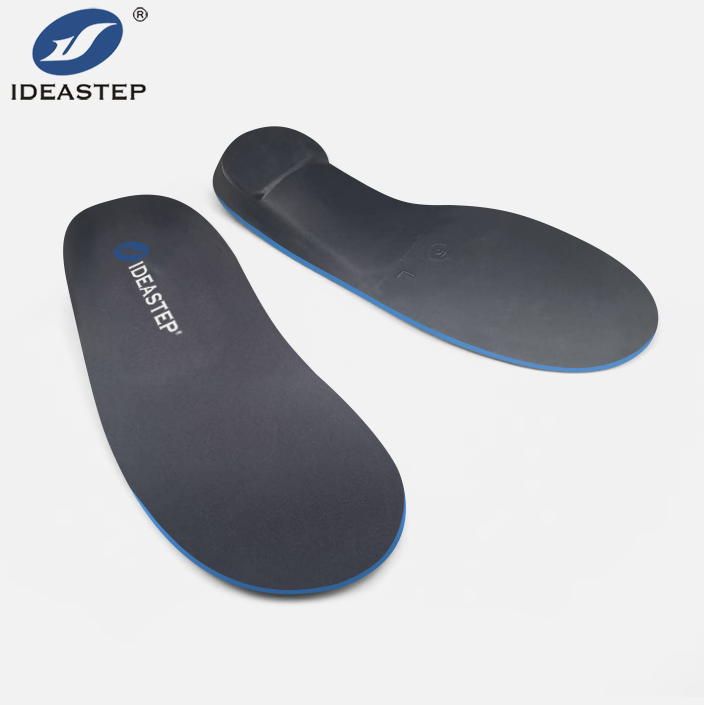
Core Properties of EVA for Prefabricated Orthotics
EVA remains the most widely used base material for prefabricated orthotics, available across a wide range of densities:
- Processing characteristics – It thermoforms cleanly, trims easily and responds well to chairside heat adjustments. Clinicians can reshape the arch, heel cup or forefoot edge during fitting, which adds real value for clinic partners.
- Weight and feel – Lightweight, with gradual load transfer. Lower-density grades focus on cushioning; high-density EVA delivers semi-rigid support for mild and moderate alignment control.
- Limitations under sustained load – Even premium EVA will compress gradually with heavy daily wear. Compression set testing is essential to avoid arch collapse and a spike in customer returns.
- Cost structure – Raw material and molding expenses stay competitive, making it suitable for high-volume entry and mid-tier SKUs.
For manufacturers, EVA fits well for accommodative orthotics and semi-rigid lines where on-site adjustability is a key selling point. It is less suitable for prescription-grade correction that must maintain precise geometry over months of heavy loading.
Core Properties of TPU for Prefabricated Orthotics
TPU is most often used as a structural support shell or reinforcing component, rather than a full foam base:
- Shape retention – It offers strong elastic recovery after repeated deformation, so arch geometry stays consistent through long periods of dynamic loading. This reduces performance drift between the initial fitting and follow-up patient assessments.
- Controlled stiffness – Different grades can be tuned for firm support without the brittleness seen in some rigid thermoplastics. It balances stability while allowing enough forefoot flex for natural toe-off.
- Processing constraints – Standard TPU shells cannot be easily heat-modified by clinicians during fitting. Most TPU prefabricated orthotics rely on fixed molded geometry, with limited room for manual grinding or reshaping.
- Cost and tooling – Raw material and mold validation costs run higher. It works best for premium clinical lines, sports orthotics and SKUs marketed around long-term durability.
TPU shines when your product promise centres on steady biomechanical control. It is a solid pick for active users, workers who stand for long shifts, and patients requiring reliable pronation management.
Side-by-Side Application Guidance for Manufacturers
- Best for EVA: Accommodative pressure redistribution, low-to-moderate support, lines built for clinician modification, large private label catalogs and budget-friendly wholesale ranges.
- Best for TPU: Premium corrective prefabricated orthotics, high-activity patient groups, occupational support lines, SKUs where long-term shape retention is a core selling feature.
- Hybrid construction: Many successful prefabricated lines combine both materials. A TPU core carries arch loads, while an EVA foam top layer adds cushioning and improves skin comfort. This hybrid design balances stability and comfort and is increasingly popular with clinic distributors.
QC and Test Benchmarks for Each Material
Testing protocols need to differ, since each material fails in distinct ways:
- EVA testing focus: Compression set, hardness consistency across batches, heat resistance, bond strength with topsheet laminates and edge tear resistance after trimming.
- TPU testing focus: Cyclic flex fatigue, elastic recovery, creep under static load, resistance to surface cracking and dimensional stability across temperature changes.
- Shared requirement: Medical-grade certification, low volatile content and full material traceability to support compliance documentation for EU or North American medical distribution.
How This Choice Shapes Your Wholesale Catalog Positioning
Material selection sends clear signals to clinic buyers and distributors:
- EVA lines can be positioned as flexible, clinician-friendly options with accessible pricing, ideal for fast-turn inventory and first-line patient care.
- TPU lines support premium positioning, backed by durability test data. They suit podiatry clinics and physical therapy practices that prioritise consistent biomechanical outcomes.
- Hybrid builds create a mid-premium tier. This avoids an oversimplified two-option catalog and helps you capture a wider range of order sizes.
FAQ
Can TPU prefabricated orthotics be heat-molded by clinicians?
Most standard TPU orthotic shells are not engineered for chairside heat adjustment. Custom shaping is locked in during mold production, unlike EVA which can be reworked at the time of fitting.
Is TPU always more durable than EVA?
Not always. Low-grade TPU formulations can fatigue and crack, while high-density, properly tested EVA delivers acceptable service life for mild-use cases. Durability depends more on material grade and design than the material name itself.
Which material works better for lower MOQ private label runs?
EVA generally supports faster sampling and lower minimums. TPU tooling and validation cycles take longer, so it fits partners with steady, ongoing premium SKU volume.
Are hybrid TPU-EVA constructions harder to manufacture?
They add extra lamination and bonding QC steps, but the finished product often avoids the downsides of single-material builds. Many manufacturers use this hybrid stack to cut complaints about overly firm support or rapid compression loss.
Do material choices change medical device classification?
No. Classification depends on marketing claims, not substrate. Orthotics built from EVA, TPU or hybrid stacks all need full compliance paperwork if marketed for therapeutic correction.
Conclusion
EVA and TPU solve separate design challenges for prefabricated orthotics. EVA delivers light weight, adjustability and cost efficiency, making it a staple for broad wholesale and entry-level clinic lines. TPU offers superior elastic recovery and sustained structural control, suited for premium clinical and high-activity applications. Hybrid designs often strike the most practical balance for manufacturers looking to cover multiple price and performance tiers.
We can share material test reports, sample stacks and hybrid construction options aligned with your catalog roadmap. Tell us your target buyer segments and performance priorities, and we will map out a material mix that fits your wholesale program.
Related Articles:
What Makes a Good Wholesale Prefabricated Orthotic Insole?
How to Choose Prefabricated Orthotics for Different Footwear Applications