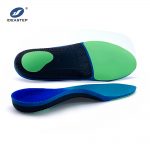
Orthopedic ankle braces use different materials and support structures to meet the requirements of sports protection, orthopedic care, and rehabilitation markets. For manufacturers, sports brands, and medical distributors, material selection and structural design directly affect product performance, durability, and market positioning.
Understanding these differences helps B2B buyers evaluate existing products and develop ankle braces for specific market requirements.
Materials Used in Orthopedic Ankle Braces
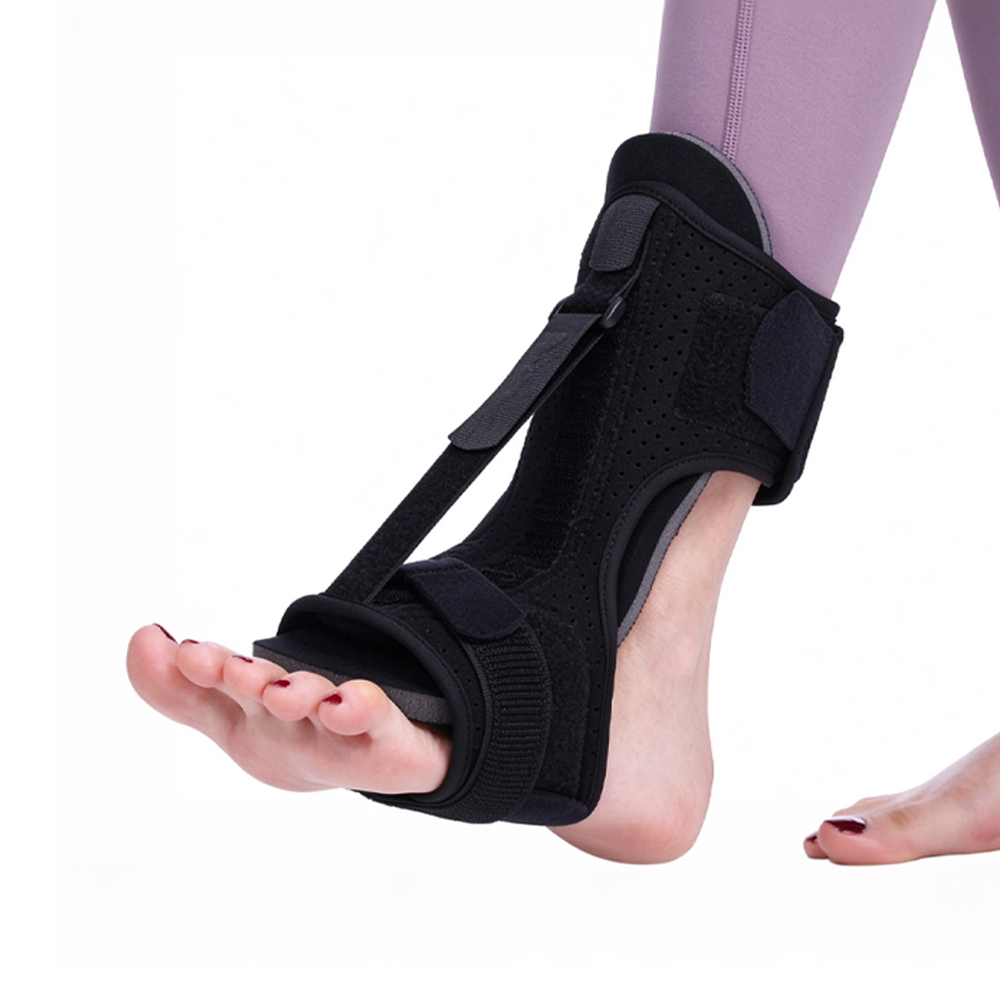
Ankle braces often combine textiles, elastic fabrics, and structural components. Each material serves a different purpose.
Neoprene
Neoprene is commonly used in soft ankle braces. Its flexibility, cushioning properties, and heat retention make it suitable for sleeve-style and wraparound constructions. Material thickness and perforation can be adjusted according to product requirements.
Nylon and Spandex
Nylon and spandex blends are widely used in knitted ankle supports.
- Nylon provides abrasion resistance and fabric stability.
- Spandex adds elasticity and supports a close fit.
Their combination allows manufacturers to develop flexible compression sleeves with different fabric densities and stretch characteristics.
Polyester Fabric
Polyester offers durability and dimensional stability. It can be used in outer layers, linings, and blended fabrics, depending on the required construction.
Thermoplastic Materials
Thermoplastic materials, including polypropylene (PP), are used in ankle braces that require additional structural support.
Molded polymer components can form side stabilizers or semi-rigid support shells. Their thickness, shape, and stiffness should match the intended brace design.
Fasteners and Reinforcement Components
Hook-and-loop fasteners are commonly used in adjustable ankle braces. Reinforcement panels and support straps help secure the structure and maintain its intended position.
Their placement, width, and fastening strength should be considered during product development.
Support Levels and Ankle Brace Structures
Ankle braces can be classified by their construction and degree of mechanical support. Three common categories are relevant to product development and wholesale sourcing.
1. Mild Support: Compression Ankle Sleeves
These products mainly use elastic knitted fabrics or flexible textile materials.
Typical features include:
- Lightweight, flexible construction.
- Elastic fabric with defined stretch characteristics.
- Pull-on sleeve design.
- Minimal rigid reinforcement.
They are commonly included in sports protection and general ankle support product ranges.
2. Moderate Support: Wraparound Ankle Braces
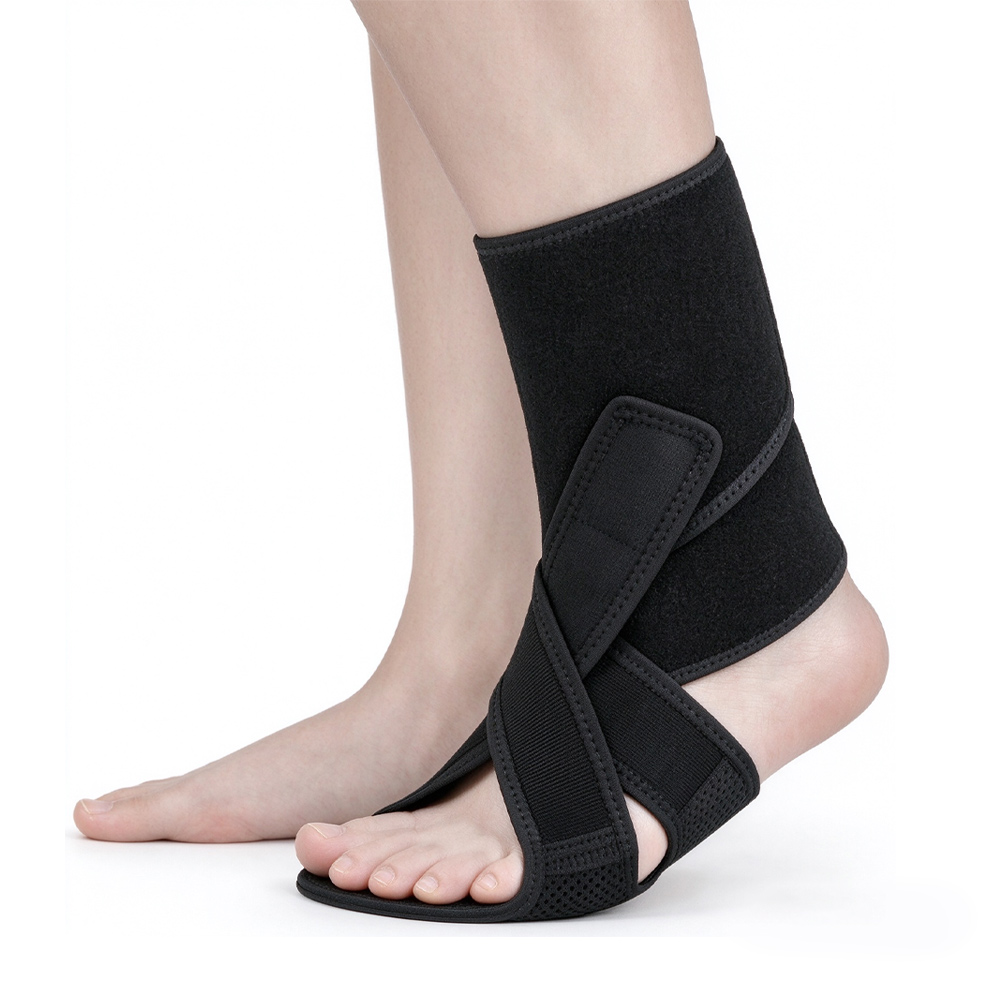
Wraparound braces combine flexible materials with adjustable straps and reinforced sections.
Common design features include:
- Hook-and-loop fastening systems.
- Cross-strap configurations.
- Reinforced side panels.
- Adjustable compression and fit.
The strap layout and reinforcement position determine how the brace secures the ankle.
3. High Support: Semi-Rigid and Rigid Ankle Braces
These designs incorporate more substantial structural components, such as molded polymer shells, rigid stays, or reinforced side supports.
Typical features include:
- Medial and lateral stabilizers.
- Structured heel and ankle sections.
- Multiple fastening straps.
- More restrictive movement control.
Material stiffness, component geometry, and fastening design all influence the brace’s mechanical performance.
These categories describe general product constructions, not standardized clinical support grades. Actual performance should be established through appropriate testing.
Key Design Features in Ankle Brace Manufacturing
Material selection alone does not determine product quality. Pattern development, component placement, and assembly also affect the final construction.
Anatomical Fit
Ankle braces need to accommodate the ankle, heel, and surrounding foot structure. Contoured panels, shaped openings, and accurate sizing help maintain proper positioning.
Manufacturers should establish consistent measurements and size grading before production.
Strap Configuration
Adjustable straps are commonly used in wraparound and stabilizing braces.
Popular configurations include:
- Figure-eight straps.
- Cross-ankle straps.
- Circumferential fastening straps.
- Multi-point hook-and-loop closures.
Strap direction, width, and attachment points affect fastening stability and product adjustability.
Side Stabilizers and Reinforcement
Some designs incorporate medial and lateral supports made from thermoplastic materials, molded polymers, or reinforced textiles.
Their thickness, shape, and flexibility should correspond to the intended support structure. Poor component placement can create unnecessary bulk or interfere with the brace’s fit.
Breathability and Moisture Management
Mesh panels, perforated materials, and moisture-managing fabrics can improve ventilation in textile-based ankle braces.
Their placement should be balanced with the structural requirements of the product, particularly around reinforced areas.
What B2B Buyers Should Check Before Sourcing
Sports brands, orthopedic suppliers, and medical distributors should evaluate product specifications and manufacturing consistency before placing bulk orders.
| Evaluation Area | Key Specifications |
|---|---|
| Materials | Fabric composition, polymer type, and thickness |
| Construction | Sleeve, wraparound, semi-rigid, or rigid design |
| Support components | Stabilizers, reinforcement panels, and straps |
| Sizing | Product measurements and dimensional tolerances |
| Durability | Seam strength, material wear, and fastening performance |
| Quality control | Inspection procedures and batch consistency |
| Packaging | Branding, labeling, and private-label options |
For products marketed with medical or specific performance claims, buyers should also review relevant test reports and applicable regulatory requirements in their target markets.
OEM and ODM Options for Orthopedic Ankle Braces
OEM and ODM projects allow brands and distributors to develop ankle braces around their product specifications.
Depending on the manufacturer’s capabilities, customization may include:
- Fabric and polymer material selection.
- Product thickness and structural adjustments.
- Size ranges and color options.
- Strap configurations and reinforcement placement.
- Logo application and private-label packaging.
Before mass production, buyers should confirm technical drawings, material specifications, approved samples, inspection standards, and packaging requirements.
A documented specification sheet provides a reference for quality control and repeat orders.
Orthopedic Product Development with Ideastep
Ideastep, operated by Xiamen KON Technology Co., Ltd., has been involved in footcare and footwear materials since 1989. Its core business focuses on orthotic insoles, EVA materials, and customized footcare solutions for international B2B customers.
For businesses developing orthopedic and footcare product lines, material selection and structural requirements are important starting points for product development.
Contact Ideastep to discuss material requirements, customized footcare solutions, and potential manufacturing cooperation.
Related Reading:
How Custom Made Ankle Braces Are Developed for Wholesale Markets
Ankle Foot Orthosis Brace: Types, Components and Manufacturing Guide