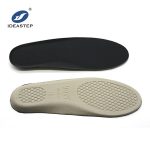
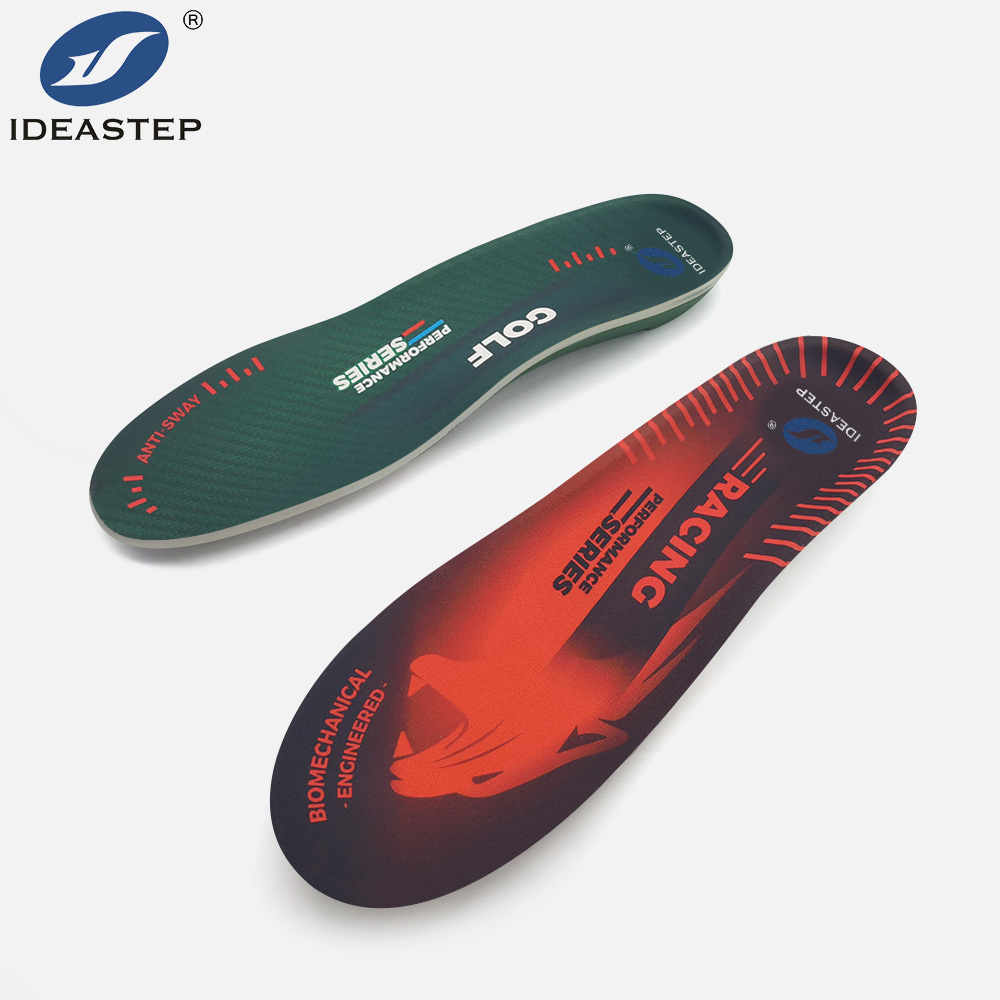
For footwear brands, wholesale distributors, orthotic clinics and medical device partners, bringing custom orthotic inserts into your product portfolio unlocks high-margin opportunities that standard off-the-shelf insoles cannot match. That said, custom orthotics are not a simple add-on to existing footwear production. Every part of the process ties together biomechanical correction, digital foot capture, layered material engineering, regulatory compliance and flexible order processing. Without thoughtful workflow planning, you will quickly face lengthy delays, inconsistent support geometry, clinical performance gaps and unplanned cost overruns that erode trust with your B2B clients. This article walks through the core operational and technical factors you should evaluate before integrating custom inserts into your production system.
1. Define Product Classification and Biomechanical Scope Upfront
Custom inserts fall into two distinct categories, and this choice shapes every downstream workflow decision: comfort-focused custom insoles and medical-grade orthotic inserts built to address conditions such as high arches, flat feet, bunions, metatarsalgia, diabetic foot concerns and foot drop.
Comfort custom inserts follow more relaxed performance criteria, prioritising fit, cushioning and brand customisation. Therapeutic orthotics, by contrast, require evidence-based correction angles, targeted pressure redistribution and full traceability for every unit. Your team needs to clearly outline which foot conditions you will support, alongside documented limits for the corrective features your process can reliably deliver. Many footwear manufacturers underestimate this detail: a shoe last built for retail footwear rarely accommodates the heel cup depth, arch posting and metatarsal cutouts required for therapeutic orthotics.
Before investing in new equipment, lock in your service scope. Will you fulfil fully bespoke orders from patient foot scans, semi-custom inserts built around graded size ranges, or private label OEM and ODM batches for resale partners? Each model requires separate intake, design and production checkpoints.
2. Build a Stable Data Capture and Digital Design Pipeline
Quality custom inserts start with accurate foot geometry, not assumptions. You can build your workflow around 3D foot scanners, pressure mapping plates, traditional foam casting or plaster impressions, but consistency of output matters more than the specific hardware brand. Poor scan alignment, inconsistent patient positioning or noisy mesh files lead to inserts that fit poorly, deliver incorrect support and drive high return rates.
Your digital workflow needs standardised protocols for cleaning raw scan data, a validated CAD library for arch posting, heel containment and forefoot relief zones, and clear STL export rules compatible with CNC milling or 3D printing hardware. Many production bottlenecks emerge when design technicians adjust each file manually without shared templates. Standardised biomechanical templates cut down revision cycles while still leaving room to adjust for unique individual foot anatomy.
You also need formal rules for data ownership and secure storage. Clinic and foot care partners frequently send patient scans, so medical-grade lines require secure, traceable archiving paired with version control for every design revision shared during sampling.
3. Validate Material Selection and Layered Construction
Material selection directly determines correction stiffness, durability, weight, moisture management and regulatory eligibility. EVA, TPU, cork, memory foam, gel, carbon fibre shells and cooling conductive fabrics each carry unique mechanical limits. A material soft enough for gentle diabetic cushioning will not offer the rigidity required for high arch posting or sports-focused orthotics.
Every incoming raw material batch should undergo baseline testing: Shore hardness, compression set, fatigue resistance, peel strength for laminated layers and colour fastness. Laminated custom inserts are especially prone to delamination if adhesive specs, press temperature and hold time are not fixed within your standard operating procedures.
Create a material matrix aligned with your product tiers. For example, low-profile custom inserts for dress shoes rely on thin, flexible cork or EVA composites; sports orthotics combine rigid TPU shells with shock-absorbent top layers; diabetic inserts use low-modulus, pressure-relieving foams finished with seamless, non-irritating surface fabrics. Never switch material specifications across batches without formal engineering sign-off.
4. Select the Right Production Route: Thermoforming, CNC Milling or 3D Printing
Three mainstream manufacturing methods support custom orthotics, and each fits different order profiles, lead time expectations and MOQ requirements.
Thermoforming over positive casts works well for higher-volume semi-custom runs, with lower per-unit cost once moulds are prepared. It struggles with intricate cutouts, highly patient-specific geometry and frequent design changes. CNC milling from solid blanks delivers precise, repeatable posting and contouring, making it suitable for small clinic orders and branded wholesale lines alike. It does call for skilled operators and consistent blank material quality.
3D printing shines for highly individualised medical orthotics, complex internal lattice structures and low-volume custom orders. On the flip side, throughput limits, surface finish refinement, post-processing labour and material certification add overhead. Many successful hybrid workflows use 3D printing for one-off patient units and CNC milling for larger wholesale custom insert batches with shared core geometries.
When rolling custom inserts into your workflow, avoid committing to a single production method without careful review. Map your expected order mix: small clinic patient orders, branded bulk OEM runs, fast-turn samples and repeat wholesale restocks each require different equipment and staffing plans.
5. Design QC Around Biomechanical Performance, Not Just Visual Checks
Standard footwear quality control focuses on appearance, sizing and bonding. Custom orthotic inserts demand functional verification. Visual inspection alone cannot confirm whether arch posting height, heel cup tilt or metatarsal relief zones match the approved specification.
Your QC process should include gated checkpoints: incoming raw material testing, first article inspection for every new scan or design, dimensional verification against the source CAD model, compression and fatigue sampling, and full batch traceability. For medical-grade product lines, retain test records linked to scan IDs, production dates and material lot numbers.
Return data serves as a vital QC feedback loop. Track returns by root cause: scan error, CAD design flaw, material breakdown, fit conflict with target shoe styles, or incorrect correction for the presenting foot condition. This data lets you refine templates and training instead of repeating the same issues across orders.
6. Map Compliance, Certification and Labelling Requirements
If you serve European and North American medical distributors, CE marking under medical device regulations and ISO quality management systems are non-negotiable. Even non-therapeutic comfort custom inserts sold to foot clinics can face market scrutiny around biocompatibility, heavy metal content and restricted substances covered under REACH.
Compliance touches every part of your workflow. You need documented risk files, technical construction files, traceability labelling and clear instructions for end practitioners. Many manufacturers discover late in the process that their existing factory certifications do not cover custom orthotic devices, which leads to costly audits and delays for client orders.
Keep separate documentation for private label OEM work and your own branded inserts. Wholesale partners often request test reports and certification copies to submit to their clinic networks and insurance programmes.
7. Streamline Order Handling, MOQ Flexibility and Sampling Workflows
Your custom insert buyers fall into two groups with competing operational needs: clinic partners needing one-off patient units with low MOQ, and footwear brands or wholesalers placing larger custom batches with private branding. Running these order streams together without separate scheduling creates operational chaos.
Set clear sampling rules, revision limits and lead time expectations upfront. Custom insert sampling usually requires multiple rounds, because fit and biomechanical feel remain subjective even when CAD dimensions are correct. Establish standard sample review gates, with written sign-off before bulk production begins. Document every change request, whether it is a material swap, arch stiffness adjustment or surface texture tweak.
Many buyers prioritise low minimum order quantities for custom development. If your workflow supports flexible MOQ, structure your pricing to separate non-recurring engineering, scan setup and tooling expenses from per-unit production cost. This transparency helps your B2B partners plan product launches without unexpected charges.
8. Account for Footwear Compatibility and In-Shoe Fit Limits
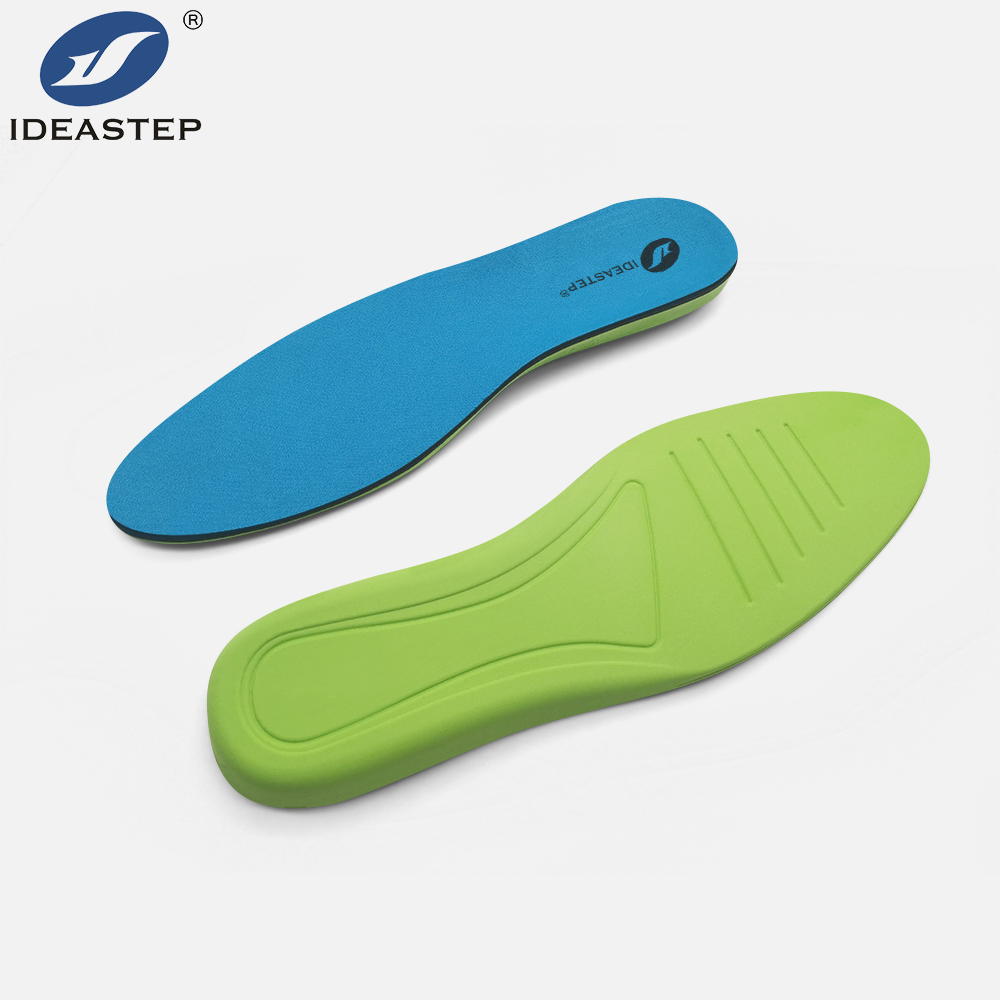
An orthotic insert engineered perfectly on paper will fail commercially if it cannot fit inside the shoe your clients plan to pair it with. Heel cup depth, overall thickness, toe spring and forefoot profile must all be designed around shoe categories: running shoes, work boots, dress footwear, high heels and orthopaedic footwear each have distinct internal volume limits.
Add footwear compatibility checks to your design brief. Collect shoe last data or physical shoe samples from your partners early in development. It is worth noting that a custom insert built for a wide, deep athletic shoe cannot simply be scaled down for slim formal footwear without reducing corrective features. This is a common blind spot when shoe brands expand into custom orthotics, assuming the same insert geometry translates cleanly across their existing shoe range.
9. Invest in Staff Competency and Clear Workflow Ownership
Custom inserts require a rare blend of skills: foot biomechanics, CAD design, machine operation, material science and regulatory documentation. Teams trained only on standard footwear will struggle to assess posting angles, pressure relief zones or medical compliance risks.
Define clear roles across the team. One group can manage client intake, scan validation and practitioner communication; another handles CAD design and revisions; production operators oversee milling, printing, lamination and finishing; QA owns functional testing and traceability. Build ongoing training covering biomechanical fundamentals, because your B2B clients will rely on your technical guidance when selecting inserts for patients or retail customers.
10. Build Realistic Commercial Models and Lead Time Expectations
Custom inserts carry higher variable labour and setup costs than mass-produced insoles. Each order may require unique file processing, dedicated first article checks and slower throughput. Build realistic lead time models that distinguish between sample development, low-volume clinic orders and larger wholesale custom batches.
Factor in post-production steps: trimming, edge finishing, branding, packaging, certification documentation and export compliance. Overpromising fast turnaround is one of the quickest ways to damage long-term distributor and clinic partnerships.
Final Takeaway
Adding custom made inserts is far more than launching a new product line. It means building a new manufacturing ecosystem anchored on reliable digital data, validated biomechanical design, controlled material performance, medical compliance and agile order management. Manufacturers who treat custom orthotics as a minor variant of standard insoles will grapple with inconsistent quality and unhappy clients. Those who implement gated workflows, separate order streams and full documentation for every technical and compliance step can build stable, recurring business with footwear brands, orthotic clinics and medical distributors.
If you are ready to explore OEM or ODM custom insert development with structured sampling, low MOQ options and CE ISO compliant production, reach out to our team to discuss your product roadmap and workflow integration plan.
Related Reading: Custom Made Foot Inserts Are Redefining Product Development for Footwear Brands.