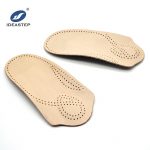
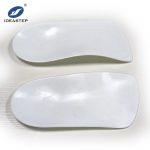
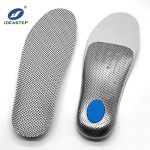
In footwear development, the insole must work with the shoe’s last, midsole, and internal dimensions. Its thickness, material composition, and structural design affect how the finished shoe fits together.
For footwear brands, custom made foot inserts provide greater control over these specifications than standard components. Brands can define materials, dimensions, layer construction, and structural features according to each shoe model.
For OEM buyers and product development teams, the priority is to turn design requirements into a manufacturable component that meets specifications and supports consistent bulk production.
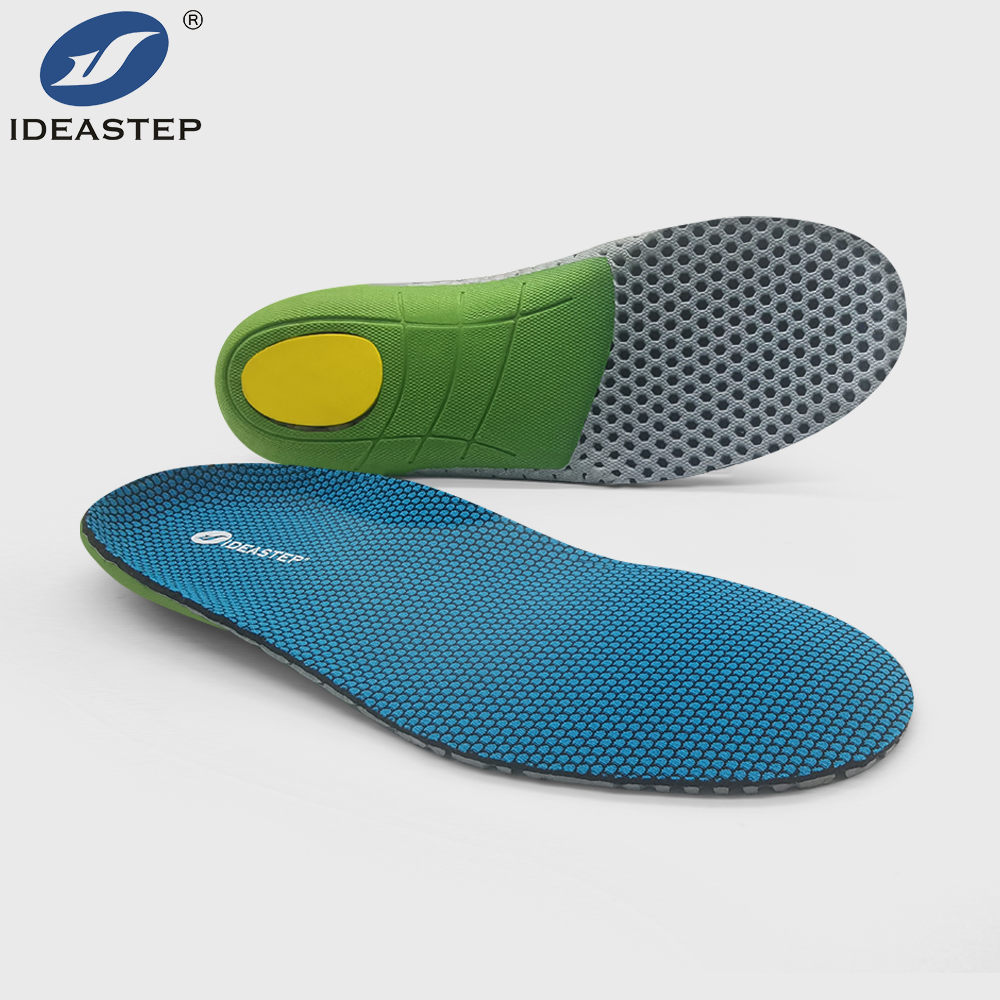
Why Footwear Brands Are Moving Beyond Standard Insoles
Standard insoles suit many conventional footwear designs. However, brands developing specialized constructions or multiple product lines may need greater control over material selection, dimensions, and component integration.
Creating Distinctive Footwear Collections
Different shoe models may require different insole thicknesses, foam grades, top-cover fabrics, and structural components. Custom development allows brands to establish specifications for each product line rather than rely on one standard design.
This approach supports product differentiation while keeping material choices and manufacturing requirements aligned with the intended footwear.
Integrating the Insole with Shoe Construction
An insole must fit within the available shoe volume and match the surrounding construction. Excessive thickness can reduce internal space, while an unsuitable outline may interfere with the lining or surrounding components.
Brands should therefore evaluate the insole alongside the shoe’s last, midsole, and internal dimensions. Addressing these factors early can reduce fit adjustments during sampling.
Maintaining Control Over Product Specifications
Custom made foot inserts allow brands to define dimensions, material grades, layer construction, surface fabrics, and structural features.
Documented specifications also help manage different sizes and SKUs. Clear requirements for materials, dimensions, and tolerances provide a consistent reference for sampling and repeat orders.
How Custom Made Foot Inserts Support Product Development
A custom insole project should begin with the intended footwear construction and its technical requirements.
Turning Design Concepts into Manufacturable Products
Development may start with a technical drawing, reference sample, existing shoe, or product concept. Each provides information about the required shape, dimensions, and construction.
The manufacturer can review the proposed design and identify production considerations such as material availability, cutting methods, bonding requirements, and dimensional tolerances.
Resolving these details before sampling helps reduce unnecessary revisions.
Selecting Materials for Different Footwear Applications
Material selection depends on the required properties, available shoe volume, construction method, and target cost.
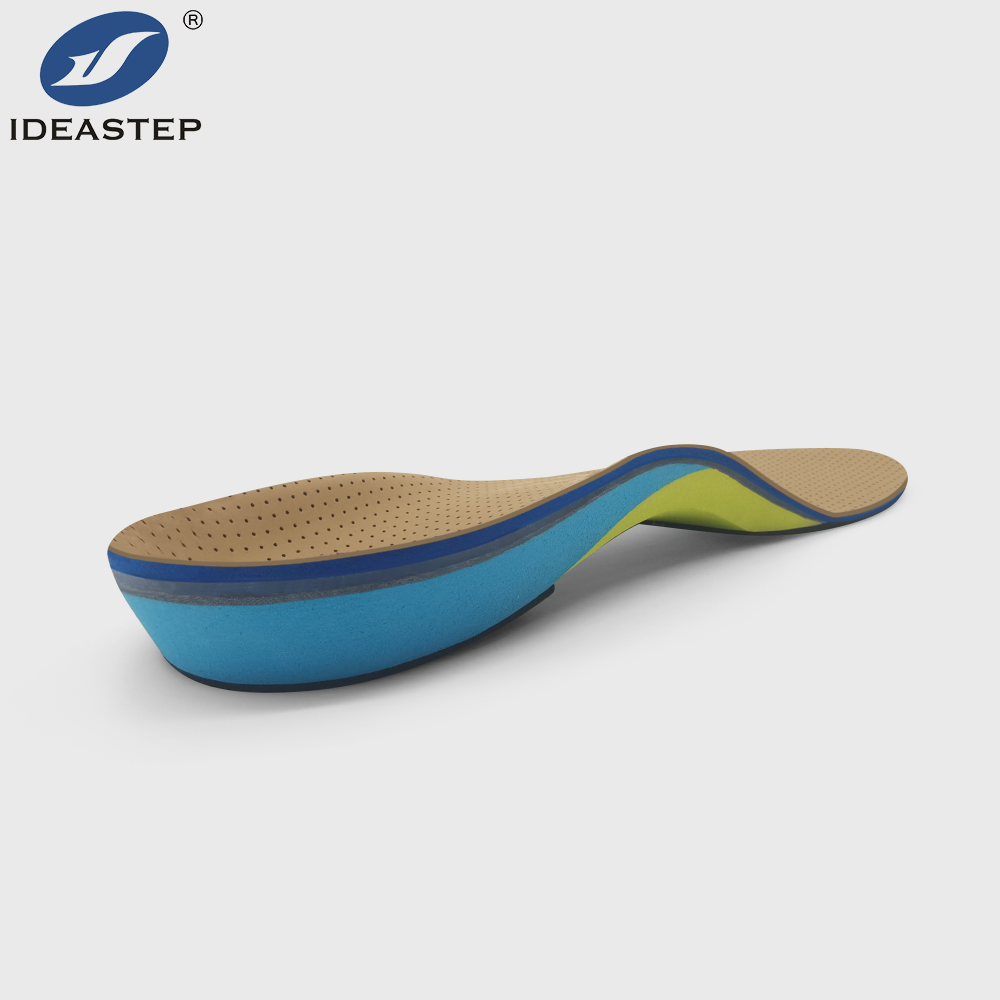
EVA and PU foams are available in different grades and can be selected according to the intended construction. TPU may be used for structural components, while textile top covers provide the specified surface finish.
These materials should be assessed as part of the complete assembly. Thickness, compression characteristics, bonding compatibility, and component placement can all affect the finished design.
Developing Structures for Different Product Lines
Custom insoles can be developed as full-length inserts, 3/4-length designs, multi-layer constructions, or structures incorporating support shells.
Each design presents different manufacturing considerations. Full-length inserts require an outline that matches the shoe’s internal geometry. A 3/4-length design needs a defined front-edge transition, while a reinforced construction requires accurate component positioning and suitable bonding.
These details should be established before the design enters production.
Evaluating Prototypes Before Mass Production
Prototype evaluation allows the brand and manufacturer to verify the design before bulk production.
The review should cover:
- Overall dimensions and critical tolerances
- Thickness and layer alignment
- Fit within the intended shoe
- Bonding and component positioning
- Material appearance and surface finish
- Manufacturing feasibility and target cost
Approved revisions should be recorded in the technical drawing or product specification. The final approved sample should serve as the reference for bulk production.
Material and Structural Options for Custom Foot Inserts
Material choices affect product dimensions, processing requirements, and compatibility with the shoe construction. Each component should have a defined function within the overall design.
EVA and PU Foam for Different Requirements
EVA and PU foams offer different material properties depending on their formulation and grade. Selection should account for density, hardness, compression behavior, thickness, and processing requirements.
For manufacturers, specifying only “EVA foam” or “PU foam” may not provide enough information. Buyers should define the required grade or relevant properties to support accurate sourcing and production.
TPU Components for Structural Support
TPU components can be incorporated into selected insole designs where a shaped structural element is required.
Their performance depends on material grade, geometry, thickness, and placement. These factors also influence the available shoe volume and the interface with surrounding foam layers.
Prototype evaluation should confirm component dimensions, positioning, and assembly requirements before production approval.
Top Covers and Multi-Layer Construction
Insole designs may combine textile top covers, foam layers, structural components, and bottom layers. The construction must account for adhesive compatibility, surface preparation, layer thickness, and bonding conditions.
Evaluating the complete assembly helps identify potential production issues that may not be apparent when materials are assessed individually.
Balancing Material Choices with Cost and Production
Material costs are only one part of the total manufacturing cost. Cutting yield, processing time, bonding operations, tooling, and inspection requirements also affect the final quotation.
A more complex design may require additional assembly steps, while a simpler construction may be easier to reproduce at scale. The final choice should meet the product specification and target cost without adding unnecessary manufacturing complexity.
Custom Foot Inserts for Different Footwear Categories
Different footwear categories place different constraints on insole design. The intended shoe construction should guide material and structural decisions.
Running and Sports Footwear
Sports footwear projects require coordination between the insole, midsole, and upper. Thickness, material compression, internal volume, and structural component placement should be evaluated against the shoe design.
Work and Safety Footwear
Work and safety footwear may have specific requirements for materials, dimensions, durability, and compatibility with the finished shoe. These requirements should be confirmed against the relevant product specifications and applicable standards.
The insole should be evaluated as part of the complete footwear system rather than as an isolated component.
Casual and Lifestyle Shoes
Casual footwear projects often prioritize internal dimensions, material cost, surface finish, and construction simplicity.
Custom inserts can be developed to match the shoe’s outline, available volume, and required thickness. Defined specifications help maintain consistency across models and size ranges.
Orthopedic and Specialized Footwear
Specialized footwear may require tighter control over contours, structural components, material combinations, and dimensional tolerances.
The development brief should identify the required features and distinguish confirmed specifications from items that need further technical evaluation.
OEM and ODM Solutions for Custom Made Foot Inserts
The development route depends on whether the buyer already has a complete design or needs support refining a product concept.
OEM Production Based on Brand Specifications
OEM projects typically begin with buyer-supplied drawings, reference samples, dimensions, materials, and packaging requirements.
The manufacturer reviews production feasibility and identifies missing information that may affect sampling or manufacturing. Complete specifications provide a clearer basis for quotation, quality control, and repeat orders.
ODM Development for New Insole Concepts
ODM projects may begin with a product concept rather than a finalized design. Depending on the project scope, development can include material selection, structural adjustments, prototype production, and manufacturing review.
Buyers should define the target footwear category, key design requirements, expected order volume, and target cost to help establish a practical development plan.
Logo, Packaging, and Specification Customization
Customization may include logo printing, labeling, packaging, and product identification, depending on the project requirements.
These details should be confirmed before production because they can affect artwork approval, material sourcing, packaging procurement, and lead time.
From Sampling to Bulk Production
Before bulk production, the approved sample, technical drawing, material specifications, critical dimensions, and inspection criteria should refer to the same product version.
Any subsequent design or material changes should be reviewed and documented before implementation. This is particularly important for projects involving multiple SKUs or repeat orders.
What Footwear Brands Should Evaluate Before Choosing a Custom Insole Manufacturer
A suitable manufacturing partner needs the technical capability to produce the design and the processes to maintain consistent output.
Material Selection and Processing Capabilities
Confirm that the manufacturer can source and process the required materials. Relevant capabilities may include foam cutting, lamination, bonding, shaping, CNC processing, and custom finishing.
The supplier should also identify material limitations and manufacturing constraints before sampling begins.
Prototype Development and Technical Communication
The manufacturer should be able to review drawings and samples, clarify incomplete specifications, and identify potential design issues.
Dimensions, material requirements, assembly methods, and tolerances should be confirmed before final sample approval.
Quality Control and Batch Consistency
Quality control should follow defined product specifications. Depending on the design, inspection may cover dimensions, thickness, material identification, layer alignment, bonding, and surface finish.
The approved sample and inspection criteria should provide a consistent reference for production and repeat orders.
MOQ, Lead Time, and Production Planning
MOQ and lead time depend on material availability, tooling, design complexity, production methods, SKU count, and packaging.
Buyers should confirm sample schedules, tooling costs where applicable, bulk production lead time, order quantities, and delivery requirements before placing an order.
What to Include in a Custom Insole Development Brief
A clear development brief helps the manufacturer evaluate feasibility and prepare a relevant quotation. Include the following details:
- Footwear application: Specify the shoe category and target model.
- Drawings or reference samples: Provide technical drawings, existing insoles, or shoe samples.
- Dimensions: Define size range, outline, thickness, and critical tolerances.
- Material requirements: Specify foam grades, top-cover fabrics, structural components, and layer construction.
- Design details: Identify contours, reinforcement placement, and edge profiles.
- Order requirements: Provide estimated quantities, SKU count, and target delivery date.
- Quality criteria: Define inspection requirements and relevant testing specifications.
- Branding and packaging: Supply logo artwork, labeling, and packaging requirements.
Clearly identify any unresolved specifications so the manufacturer can address them during the technical review.
Frequently Asked Questions About Custom Made Foot Inserts
What Is the Difference Between Custom Foot Inserts and Standard Insoles?
Standard insoles generally follow established specifications. Custom foot inserts are developed around defined requirements such as dimensions, materials, thickness, layer construction, structural components, and branding.
Can Custom Made Foot Inserts Be Developed for Different Shoe Models?
Yes. Different shoe models can have their own outlines, dimensions, thicknesses, and material combinations. Each design should be checked against the corresponding footwear construction before approval.
Which Materials Are Commonly Used in Custom Insole Manufacturing?
Common options include EVA foam, PU foam, textile top covers, and TPU structural components. Selection depends on the design, processing requirements, target cost, and intended application.
Can Manufacturers Support Both OEM and ODM Projects?
Depending on their capabilities, manufacturers can produce insoles from buyer-supplied specifications or support development from an initial concept. Buyers should confirm the available design, sampling, and customization services.
What Affects MOQ and Lead Time for Custom Insoles?
MOQ and lead time depend on material sourcing, tooling, construction complexity, production methods, order volume, SKU count, and packaging. Sampling and design revisions may also affect the schedule.
Develop Custom Made Foot Inserts with Ideastep
Custom made foot inserts give footwear brands greater control over dimensions, materials, layer construction, and integration with the finished shoe. Clear specifications and sample approval help translate these requirements into repeatable bulk production.
Contact our team with your technical drawing or reference sample, material requirements, size range, and estimated order quantity to discuss your custom insole development project.
Recommended Reading: Ideastep Latest custom made foot inserts manufacturers for shoes maker.