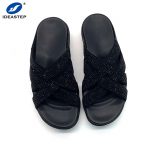
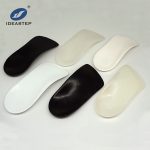
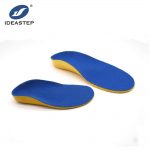
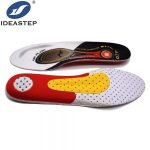
Off‑the‑shelf insoles seldom match proprietary shoe‑last geometry, resulting in inconsistent in‑shoe comfort and product‑level complaints for footwear brands. Built on hands‑on factory experience supporting global footwear OEM projects, this guide covers actionable manufacturing workflows, partnership models and supplier vetting for bulk custom insole procurement.
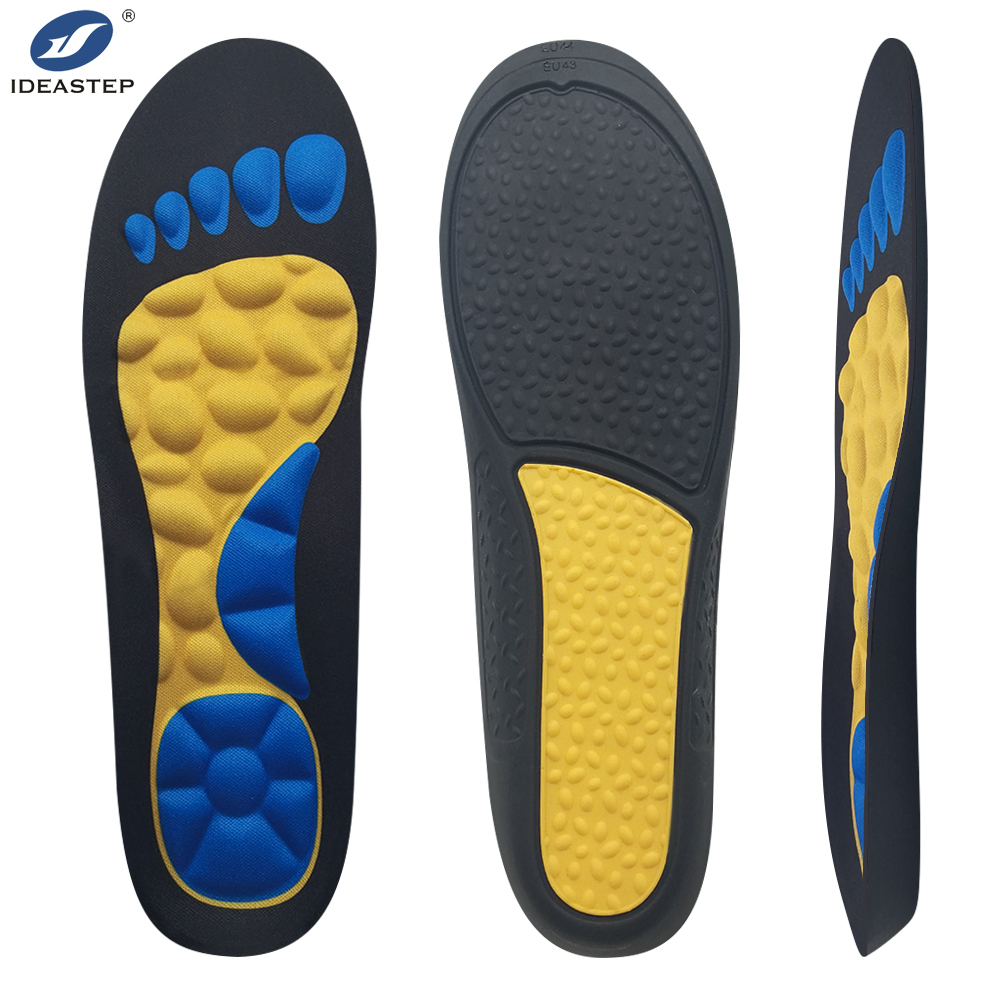
Core B2B Pain Points for Footwear Brands Sourcing Custom Insoles
- Product development: Stock insoles conflict with internal shoe‑last dimensions. Mismatched cavity thickness and arch contours create uneven comfort across finished product lines.
- Cost management: Vague design requirements trigger repeated sampling cycles. Many brands struggle to separate costs and MOQs between pattern tweaks and full new‑mould development.
- Supply‑chain reliability: Many manufacturers only supply fixed‑pattern products. Sample‑to‑bulk variance on hardness, thickness and geometry remains a persistent production risk.
- Market competitiveness: Generic insoles deliver no unique selling points and offer limited differentiation in saturated footwear markets.
Key Technical Specifications for Brand‑Specific Custom Insoles
Use these parameters to align expectations between brand product teams and manufacturing partners.
- Shoe‑last alignment: Insole outline and total thickness calibrated to shoe‑cavity constraints to avoid assembly interference.
- Arch‑support structure: Arch height, firmness and load‑bearing zones matched to the target demographic of each footwear collection.
- Material stack‑up: Multi‑density EVA or composite foam separating structural support layers from top‑cover fabrics, balancing cushioning, compression resistance and weight.
- Profile options: Full‑length or 3‑quarter layouts built for running, casual and work‑wear footwear.
- Branding integration: Logo embossing and custom colourways for direct pre‑installation inside finished shoes.
- Manufacturing process: One‑piece compression‑moulding or multi‑layer lamination, selected based on order volume and performance targets.
OEM / ODM Partnership Models for Footwear Brand Projects
- Full‑spec OEM custom development: Brands provide shoe‑last datasets and complete performance requirements. The factory builds dedicated new moulds, suited for high‑volume flagship lines requiring fully proprietary insole geometry.
- ODM joint iteration: Factories provide validated baseline patterns. Both sides adjust parameters against brand‑specific shoe‑lasts to create exclusive SKUs, ideal for brands without in‑house insole R&D capacity.
- Modified existing‑pattern design: Reuse proven tooling with adjustments limited to thickness, fabrics and branding. No new‑mould investment, lower MOQ for fast‑turn small‑batch collections.
- Stock‑base adaptation: Standard off‑the‑shelf insoles with minor trimming. Cost‑effective for entry‑level footwear with basic performance requirements.
Co‑Develop Shoe Lasts and Insoles to Prevent Late‑Stage Rework
Treating insoles as a post‑development afterthought frequently leads to costly revisions.
- Start insole development during shoe‑last prototyping, not after finalisation.
- Reserve adequate shoe‑cavity space at the shoe‑last design phase to avoid thickness‑driven assembly failures.
- Tune insole support to match each line’s target‑user profile.
- Complete physical fit‑testing inside finished shoe units before sample sign‑off.
Supplier Evaluation Checklist for Custom Insole Manufacturing
Complete these checks prior to sampling and mass‑production commitments.
- Development capability: Confirm shoe‑last data compatibility, multi‑round sample revision support and stable sampling timelines.
- Mould‑library inventory: Assess existing arch‑height and thickness tooling to cut unnecessary new‑mould expenditure.
- Material and process competence: Verify multi‑density lamination capability, material durability testing and clear limits for feasible design adjustments.
- Commercial terms: Clarify MOQ differences for new‑tooling versus pattern‑modified orders. Formalise sampling‑fee and tooling‑rebate policies.
- Mass‑production repeatability: Enforce sample‑approval protocols to lock‑in geometry and hardness from prototype to bulk runs.
- Export compliance: Confirm third‑party test‑report availability to meet REACH and regional restricted‑substance standards.
Common Project Risks and Mitigation
- Insole work initiated after shoe‑last lock‑in causes fit failures that force expensive shoe‑last revisions.
- Reliance on prototype feedback without pre‑production trials results in bulk‑order deviations on hardness and thickness.
- Unvalidated new‑mould investment locks capital into under‑utilised tooling before market confirmation.
- One‑size‑spec insole applied across multiple shoe styles creates inconsistent fit performance.
- Neglected material compliance triggers customs delays or regulatory penalties for export shipments.
Practical Recommendations for Different‑Scale Footwear Brands
- Large footwear brands: Deploy full‑spec OEM custom development for flagship lines. Run shoe‑last and insole work in parallel to secure proprietary differentiation.
- Mid‑sized footwear brands: Prioritise ODM joint iteration or existing‑pattern modification to reduce upfront tooling risk. Invest in new moulds only after proven market traction.
- Fast‑fashion and entry‑level collections: Use stock‑base adaptation for cost control. Allocate custom‑insole budgets toward high‑margin core styles.
Initiate Your Custom Insole Project
If you need OEM pre‑installed insoles for flagship footwear or ODM customisation for new collections, we can deliver practical technical and commercial options. Share your shoe‑last requirements, product positioning and expected order volume for sampling and development feedback.
Related Reading: Ideastep Best orthotic running shoes factory for sports shoes maker.