The structure of a cycling insole affects how it fits inside the shoe and how its different components work together. Limited space, specific footwear dimensions, and support requirements all influence material selection and product design.
TPU offers an option for developing shaped support components in cycling insoles. Manufacturers can combine it with EVA, PU foam, and fabric to create different constructions for cycling footwear. The focus is not simply on adding a rigid component, but on finding the right shape, position, and material combination for the intended shoe design.
How TPU Supports Cycling Insole Structures
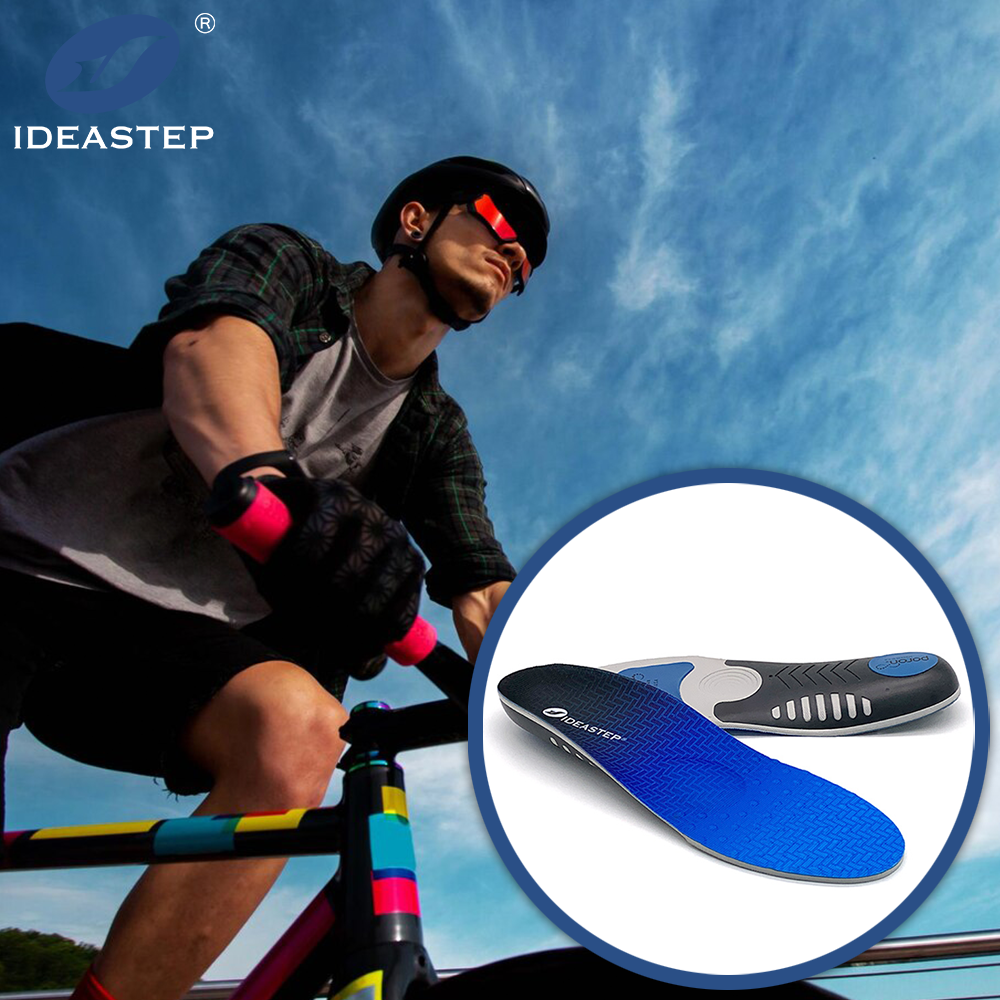
Thermoplastic polyurethane (TPU) is used in footwear manufacturing for components that require a defined shape and structure. In cycling insoles, it can form part of the arch support, heel structure, or selected reinforcement areas.
Unlike foam layers, which mainly contribute to the cushioning structure, a shaped TPU component provides a more defined structural element. Its thickness, contour, and coverage determine how it integrates with the surrounding materials.
The design also needs to account for the internal shape of the cycling shoe. A support component developed for one shoe model may require changes in geometry or dimensions before it fits another.
Common TPU Support Component Designs
The position and shape of TPU components depend on the intended insole profile. Three areas often receive attention during product development.
TPU Arch Support
The midfoot area is a key part of the insole structure. A shaped TPU arch component can follow the intended arch profile, with its height, contour, and coverage adjusted to the product design.
For cycling footwear brands, these dimensions need to match the target shoe and the overall insole shape. An excessively bulky component may affect the available space inside the footwear.
TPU Heel Support
TPU can also form part of the heel structure. Its shape and coverage depend on the heel design, insole dimensions, and surrounding foam layers.
During development, the connection between the heel component and adjacent materials deserves attention. A well-integrated structure helps maintain a consistent insole profile.
Partial TPU Support Components
Some cycling insole designs use TPU in selected areas instead of covering the entire footbed. This approach allows the support structure to follow specific product requirements while leaving other areas to foam materials.
The component’s edges, placement, and connection with surrounding layers all need to match the intended construction.
Combining TPU with EVA, PU Foam, and Fabric
A TPU component usually forms only part of a finished cycling insole. Foam layers and top-cover materials complete the construction, with each material serving a different purpose.
TPU and EVA
EVA can form the foam base, while TPU adds a shaped structural component. This combination gives manufacturers flexibility when developing insoles that require both a foam foundation and a defined support profile.
TPU and PU Foam
PU foam can complement the TPU structure as a cushioning layer. The material thickness and placement depend on the available space inside the cycling shoe and the required insole construction.
TPU and Fabric
A fabric top cover provides the upper contact surface. Its texture, fit, and compatibility with the underlying layers should all be considered during product development.
The goal is a well-planned material arrangement, not simply a higher number of layers. Each component should contribute to the intended structure.
Key Design Considerations for TPU Cycling Insoles
Cycling shoes often have specific internal dimensions and shapes. These constraints make accurate measurements and component placement important when developing a new insole.
Several details deserve attention:
- Arch profile: The height, contour, and coverage of the TPU support should match the intended design.
- Heel geometry: The shape and dimensions need to fit the target footwear.
- Component thickness: TPU and foam layers must fit within the available shoe space.
- Material transitions: Connections between TPU, foam, and fabric should suit the overall construction.
- Insole dimensions: Length, width, and profile should correspond to the target cycling shoe model.
These details are closely related. Changing the thickness of one component, for example, may require adjustments to the surrounding layers or the overall insole profile.
Custom TPU Cycling Insoles for OEM Projects
Cycling footwear brands often develop insoles around specific shoe models, dimensions, and structural requirements. A standard design may not provide the right fit for every product range.
OEM and ODM development allows manufacturers to work with custom support profiles and material combinations. Technical drawings, reference samples, or shoe dimensions can help clarify the required construction before sample production.
Useful project information includes:
- Target cycling shoe model and internal dimensions
- Required arch and heel support profiles
- TPU component shape and coverage
- EVA or PU foam specifications
- Fabric top-cover requirements
- Target insole thickness and overall profile
Providing these details early makes it easier to assess the proposed structure and identify any necessary design adjustments.
TPU Cycling Insole Supply for Brands and Distributors
Ideastep works with cycling footwear brands, insole manufacturers, and distributors on product sourcing and custom development.
For a new cycling insole project, buyers can start with the target footwear dimensions, support requirements, and preferred material combination. Existing samples or technical drawings also help clarify the design before discussing material selection and production arrangements.
OEM, ODM, and wholesale cooperation can be discussed according to the project specifications and order requirements.
Develop Your Next Cycling Insole Design
A TPU support component should fit the complete insole structure, including the arch and heel profile, surrounding foam layers, and top cover. Its geometry and placement matter just as much as the material itself.
If you are developing a new cycling insole or adapting an existing design, share your shoe dimensions, technical drawings, or reference sample with Ideastep. These details provide a practical starting point for discussing the support structure and material requirements.
Explore More:
Heat Moldable Cycling Insoles
EVA Cycling Insoles: Foam Grades, Thickness and Manufacturing