EVA is the dominant foam material for cycling insoles, offering low weight, adjustable stiffness and heat-moldable properties suited for road, gravel and mountain biking. Unlike casual shoe inserts, cycling insoles must preserve power transfer, reduce forefoot numbness and maintain shape under repeated pedal loading. For cycling brands, OEM purchasers and wholesale distributors, careful selection of EVA grade, zoned thickness and production method directly impacts rider feedback, return rates and long-term product consistency. This guide covers key material specifications and manufacturing considerations for bulk sourcing.
1. Select EVA Foam Grades Aligned With Cycling Performance Targets
Cycling EVA is classified by Asker C hardness, density and compression set, rather than vague soft or firm labels. Each grade serves distinct rider groups and pedalling styles.
Low-density soft EVA (25–35 Asker C): Built for recreational riders, prioritising cushioning and vibration dampening. It compresses faster under high wattage, best reserved for casual gravel and leisure cycling lines.
Mid-density balanced EVA (38–48 Asker C): The most versatile option for premium stock cycling insoles. It delivers stable arch support, moderate shock absorption and reliable heat moldability, ideal for road cycling and intermediate mountain bike products.
High-density firm EVA (50–60 Asker C): Designed for competitive riders, time trial and power-focused road use. It minimises energy loss during pedalling, retains arch geometry under heavy load and features low compression creep. This grade is often paired with a PP shell for enhanced rearfoot stability.
Dual-density EVA is widely adopted in high-performance ranges. A firmer core locks arch alignment, while softer forefoot or heel sections relieve pressure hotspots. Buyers should review long-term compression set test data instead of judging by initial feel; foam that softens quickly will degrade power transfer over time.
2. Specify Zoned Thickness to Fit Cycling Shoe Internal Volume
Cycling footwear has limited internal space, so uniform thick insoles are a common sourcing error. Functional cycling insole design uses targeted thickness zones:
Forefoot: 2–3mm standard. Extra thickness crowds the toe box and causes numbness, one of the most frequent complaints from road cyclists.
Arch zone: 4–6mm, contoured to support the medial arch and prevent foot collapse through the pedal stroke. This is the functional core of the insole.
Heel cup: 3–5mm, shaped to secure the calcaneus and limit lateral movement inside the shoe.
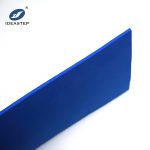
Heat-moldable blanks for custom cycling orthotics typically come in 6–8mm sheets for on-site trimming. Always test samples inside your target shoe lasts; road cleat shoes, gravel footwear and mountain bike clip-ins all have different internal cavity limits.
3. Main Manufacturing Methods for EVA Cycling Insoles
Three production workflows support OEM cycling insole orders, each with trade-offs for volume, precision and customisation.
Compression molding: Standard for high-volume stock lines. Pre-compounded EVA pellets are foamed and pressed in custom tooling. It delivers consistent contours, low unit cost and integrated branding. Suitable for pre-sized wholesale ranges, though new profiles require tooling investment.
CNC milling from EVA blocks: Preferred for custom, heat-moldable prescription cycling insoles. Solid EVA billets are machined to custom geometry, allowing labs to adjust arch height, heel cup and posting for individual riders. It works for low-MOQ custom runs and integrates smoothly with 3D foot scan data.
Die cutting from continuous EVA sheets: Cost-effective for entry-level basic insoles. It supports large runs but offers limited contouring and poor edge definition, making it unsuitable for high-performance products.
Most premium cycling insoles add lamination: breathable top fabric, anti-slip base layers or thin shock pads are bonded to the EVA substrate. Bond strength is critical; repeated shear forces inside cycling shoes commonly cause delamination on low-quality builds.
4. Verify Heat Moldability and Batch Consistency
Heat adjustability is a core selling feature for cycling EVA insoles. Quality formulations soften evenly at standard heat-gun temperatures, letting retailers or clinics adjust arch and heel fit without bubbling or permanent warping. Poor EVA blends melt unevenly or rebound quickly after cooling, eliminating the value of in-store fitting.
Before scaling bulk orders, test samples from separate production batches. Shifts in vinyl acetate content, foaming ratio and curing time alter hardness and moldability. Require suppliers to provide batch test reports covering Asker C hardness, density and compression set to lock performance.

5. Layer Builds, Branding and Compliance Rules
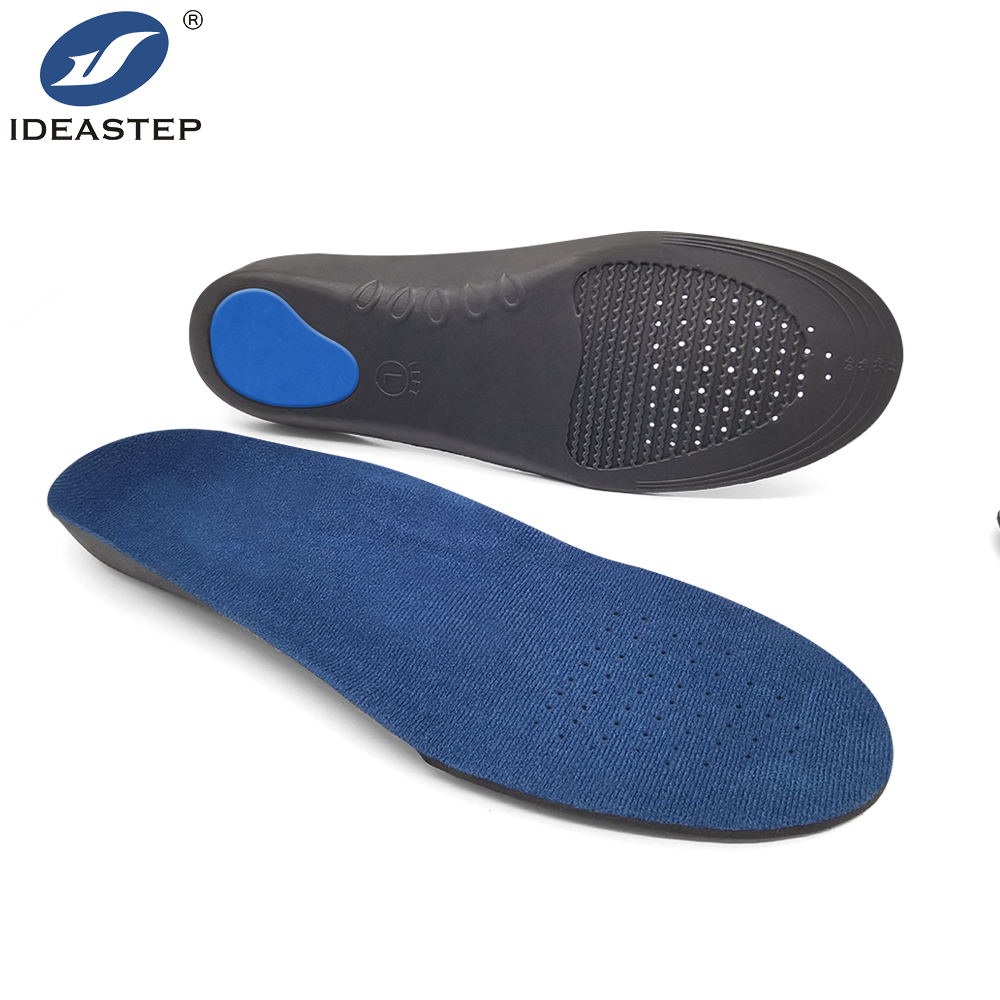
Finished cycling insoles usually use multi-layer construction. The EVA substrate provides structural support, while top covers add moisture wicking, antibacterial treatment and grip. Many cycling brands add embossed logos, size markers and colour coding to match shoe collections.
If marketing therapeutic support claims, confirm material safety certificates and biocompatibility documentation for regulated markets. Insoles sold purely for comfort fall under lighter compliance requirements, but avoid unsubstantiated medical correction claims. Confirm IP terms, branding approval processes and packaging options before launch.
Quick Evaluation Checklist for EVA Cycling Insole Orders
- EVA specs: Asker C hardness, density and compression set data
- Zoned thickness layout for forefoot, arch and heel
- Production method: compression molding, CNC milling or die cutting
- Heat moldability, bubble resistance and shape retention after cooling
- Lamination adhesion performance for top fabric and base layers
- Batch testing, certification and private label terms
EVA cycling insoles look simple, but foam grading and zoned thickness determine real-world riding performance. Cheap ungraded EVA with uniform thickness creates fit issues, pressure points and wasted power. Brands that define clear foam specifications and validate manufacturing quality produce more reliable foot support products.
Final Takeaway
EVA cycling insoles offer lightweight, adjustable foot support for road, gravel and mountain biking. The right specification balances foam grade, zoned thickness and production method to match your product tier, from entry-level comfort inserts to heat-moldable premium performance options. A qualified manufacturer can support both mass molded stock ranges and milled custom cycling orthotics for your brand or clinic network.
If you source EVA cycling insoles for bike footwear lines or wholesale catalogues and need dual-density formulations, heat-moldable blanks or private label finished units, contact our team to review your specifications and arrange validated samples.
Related Post: Metatarsal Button Cycling Insoles: Forefoot Support and Comfort for Cycling Footwear.