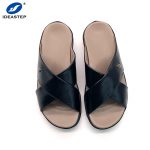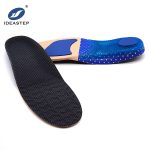
A supramalleolar orthosis (SMO) is a lower-limb orthotic device designed to control foot alignment and support the hindfoot and midfoot. Its shell extends above the medial and lateral malleoli but remains shorter than a conventional ankle-foot orthosis (AFO).
The design combines a contoured footplate with medial and lateral containment walls. Shell geometry, trimline position, and material stiffness determine the level of structural control provided by the device.
For orthotic laboratories and manufacturers, SMO production requires accurate anatomical modeling, appropriate thermoplastic selection, and consistent control of forming and finishing processes.
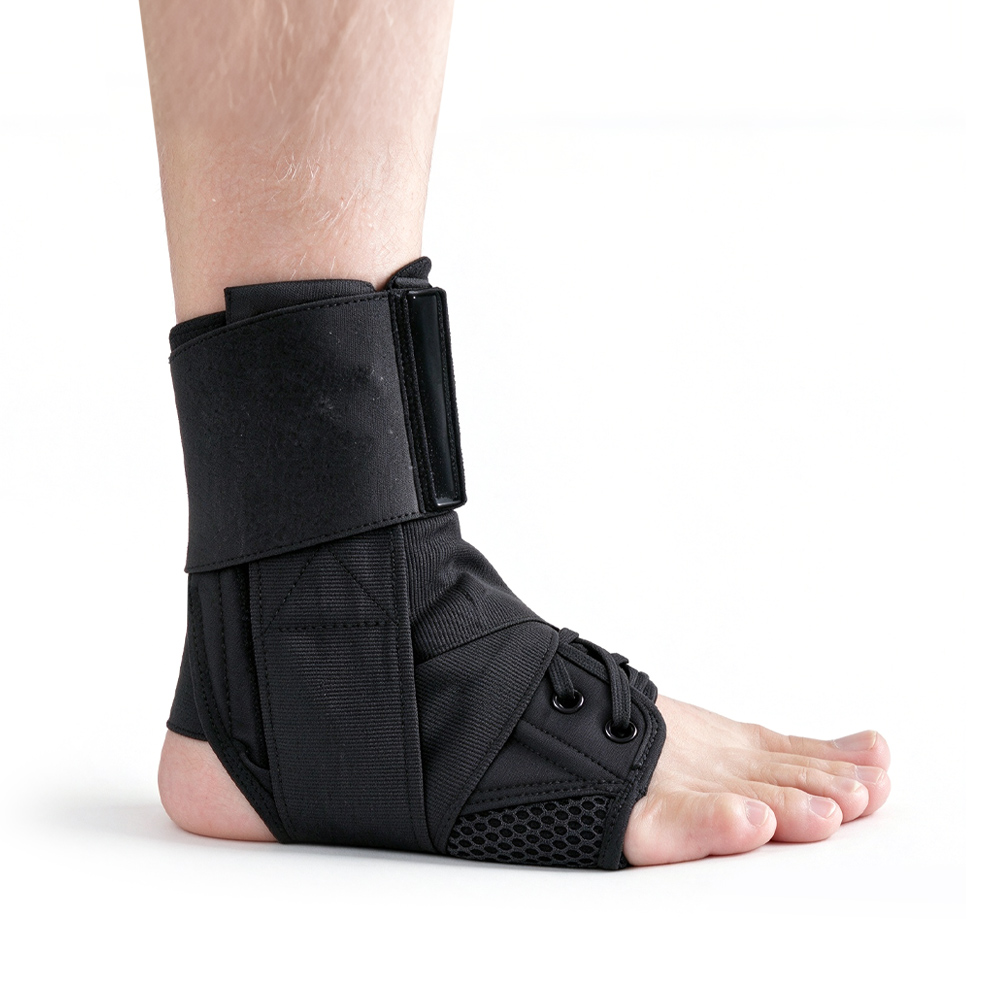
1. SMO Structure and Design Characteristics
An SMO typically consists of four main structural elements:
- Footplate: Provides the base structure beneath the plantar surface.
- Medial and lateral walls: Surround the heel and midfoot to support alignment.
- Supramalleolar shell: Extends above the malleoli to provide lower ankle containment.
- Fastening components: Secure the orthosis according to the prescribed configuration.
The relationship between these components determines the finished shell profile and its mechanical behavior.
SMO vs. AFO
SMOs and AFOs differ primarily in shell height, anatomical coverage, and intended mechanical control.
| Design Feature | SMO | AFO |
|---|---|---|
| Shell height | Extends above the malleoli | Extends farther up the lower leg |
| Main coverage | Foot and lower ankle | Foot, ankle, and lower leg |
| Structural focus | Hindfoot and midfoot alignment | Foot and ankle control |
| Ankle movement | Generally allows more ankle movement | Depends on design and joint configuration |
| Shell construction | Shorter supramalleolar shell | Longer lower-leg shell |
These differences influence material requirements, shell geometry, trimline design, and fabrication methods.
2. Critical Design Parameters
SMO development depends on the coordination of footplate geometry, heel containment, and proximal shell design. Each area should be defined within the overall orthotic specification.
Footplate and Heel Geometry
The footplate establishes the base of the orthosis. Its length, width, thickness, and plantar contour influence the distribution of contact across the foot.
The heel section requires particular attention. Its width, depth, and wall contour determine the shape of the rearfoot enclosure and its connection with the medial and lateral walls.
Key specifications include:
- Footplate length and width
- Heel cup depth and contour
- Medial and lateral wall height
- Arch profile and plantar contour
- Forefoot configuration and edge thickness
These dimensions should be developed together to avoid abrupt transitions or inconsistent shell geometry.
Supramalleolar Trimlines
Trimline placement is a defining feature of SMO construction. The shell extends above the malleoli, so its height and contour must account for the anatomical prominence of both ankle bones.
Important parameters include:
- Proximal shell height
- Medial and lateral trimline profiles
- Malleolar relief
- Wall thickness near the upper edge
- Edge finishing and contour transitions
Insufficient relief may create unwanted contact around bony prominences, while excessive clearance can reduce the intended containment. Accurate anatomical modeling is therefore essential.
Shell Stiffness and Wall Thickness
Shell stiffness is influenced by material properties, thickness, curvature, and reinforcement.
Increasing thickness can improve resistance to deformation, but it also changes weight, flexibility, and overall bulk. The final specification should balance structural requirements with the intended orthotic function.
Material grade and wall thickness should be evaluated together rather than treated as independent design variables.
3. Material Selection for SMO Manufacturing
Thermoplastic materials are commonly used for SMO shells because they can be heated and formed over positive models. Cushioning materials are added where the construction requires a defined interface between the shell and the foot.
Polypropylene
Polypropylene (PP) is widely used in custom thermoplastic orthoses. It offers a range of thickness and stiffness options and can be formed over a positive model.
Material selection should account for:
- Sheet thickness
- Forming temperature and behavior
- Required shell stiffness
- Dimensional stability after cooling
- Compatibility with the intended fabrication process
PP specifications should be matched to shell geometry rather than selected by thickness alone.
Polyethylene
Polyethylene (PE) is another thermoplastic option for orthotic applications. Different grades provide different combinations of flexibility, impact resistance, and forming characteristics.
Its suitability depends on the required shell behavior, material grade, and fabrication method.
EVA Foam
EVA foam is commonly used for footbed layers, padding, and cushioning interfaces within orthotic devices.
Typical applications include:
- Footplate cushioning
- Heel and midfoot padding
- Localized interface layers
- Top-cover and lining constructions
Density and hardness should be specified separately. Compression behavior, thickness retention, and bonding performance should also be evaluated in the finished assembly.
PU Foam and Other Cushioning Materials
PU foam can be incorporated into selected cushioning areas, depending on the device construction.
Material evaluation should focus on compression behavior, dimensional stability, thickness consistency, and compatibility with the thermoplastic shell.
The cushioning layer must integrate with the shell without altering its intended geometry.
4. SMO Fabrication Process
Custom SMO production generally involves model preparation, thermoplastic forming, trimming, and component assembly. Each stage affects the dimensional accuracy of the finished device.
Model Preparation
A positive model is developed from the prescribed foot and ankle shape through traditional casting or digital scanning and model modification.
The model should identify anatomical landmarks, required relief areas, and the intended shell boundaries before forming begins.
For digital workflows, model adjustments should be reviewed before production to ensure that trimlines and shell contours match the approved specification.
Thermoplastic Forming
The selected thermoplastic sheet is heated and formed over the positive model using the specified forming process.
Key process variables include:
- Material type and sheet thickness
- Heating temperature and duration
- Vacuum or forming pressure
- Material distribution around the model
- Cooling conditions
Uneven material distribution can produce inconsistent wall thickness or deformation. Heating and forming parameters should therefore be controlled and documented.
Trimming and Finishing
After forming, the shell is trimmed to the approved dimensions.
Particular attention should be given to the proximal trimlines, malleolar relief, heel section, and footplate edges.
Excessive edge thickness, rough finishing, or inaccurate trimlines can affect dimensional conformity and assembly quality.
Padding and Component Assembly
EVA or PU padding, straps, and fastening components are added according to the technical specification.
Adhesive selection should account for the thermoplastic substrate and cushioning material. Surface preparation, component positioning, and bonding conditions need to remain consistent throughout production.
5. Quality Control and Dimensional Inspection
SMO inspection should cover shell geometry, material consistency, and component assembly.
| Inspection Area | Key Parameters |
|---|---|
| Shell dimensions | Length, width, height, and wall thickness |
| Trimline geometry | Proximal height and medial/lateral contour |
| Malleolar relief | Clearance and anatomical contour |
| Heel structure | Width, depth, and symmetry |
| Footplate | Length, profile, and edge finishing |
| Material quality | Thickness and forming defects |
| Padding | Position, thickness, and bonding |
| Fastening components | Attachment strength and alignment |
| Finished assembly | Shape and conformity to approved specifications |
For custom devices, inspection should reference the individual design and approved model. For standardized components, manufacturers should establish defined tolerances and repeatable inspection procedures.
Material traceability and documented forming parameters also help maintain consistency across production batches.
6. OEM and ODM Development Requirements
SMO projects often involve coordination between orthotic practitioners, laboratories, and manufacturing teams. A complete technical brief helps establish the fabrication requirements before sample production.
The initial specification should include:
- Orthotic function and design requirements
- Foot and ankle measurements or digital model
- Shell height and trimline geometry
- Thermoplastic material and thickness
- Required stiffness and reinforcement
- Footplate and heel containment dimensions
- Padding materials and locations
- Strap and fastening configuration
- Fabrication and inspection criteria
Sample approval should confirm shell geometry, trimline accuracy, material behavior, and component assembly.
Once approved, the sample, model, and technical specifications should serve as production references. Changes to material thickness, shell geometry, or forming parameters should be reviewed before repeat production.
Conclusion
SMO manufacturing depends on accurate shell geometry, appropriate thermoplastic selection, and controlled fabrication. Footplate dimensions, heel containment, supramalleolar trimlines, and wall thickness must work together to achieve the specified structural design.
For orthotic laboratories and manufacturers, consistent model preparation, forming parameters, trimming, and component assembly provide the foundation for repeatable production quality.
Browse Related Products: https://www.aideastep.com/product-category/foot-and-ankle-products/.