TPU (thermoplastic polyurethane) is widely used in insole manufacturing for its elasticity, abrasion resistance, and adjustable mechanical properties. By modifying material hardness, thickness, and component geometry, manufacturers can develop TPU insoles with different levels of flexibility and structural support.
However, flexibility must be considered alongside shape retention and durability. The objective is not to make every section as soft as possible, but to achieve the right balance for the intended footwear application.
1. Key Factors Affecting TPU Flexibility
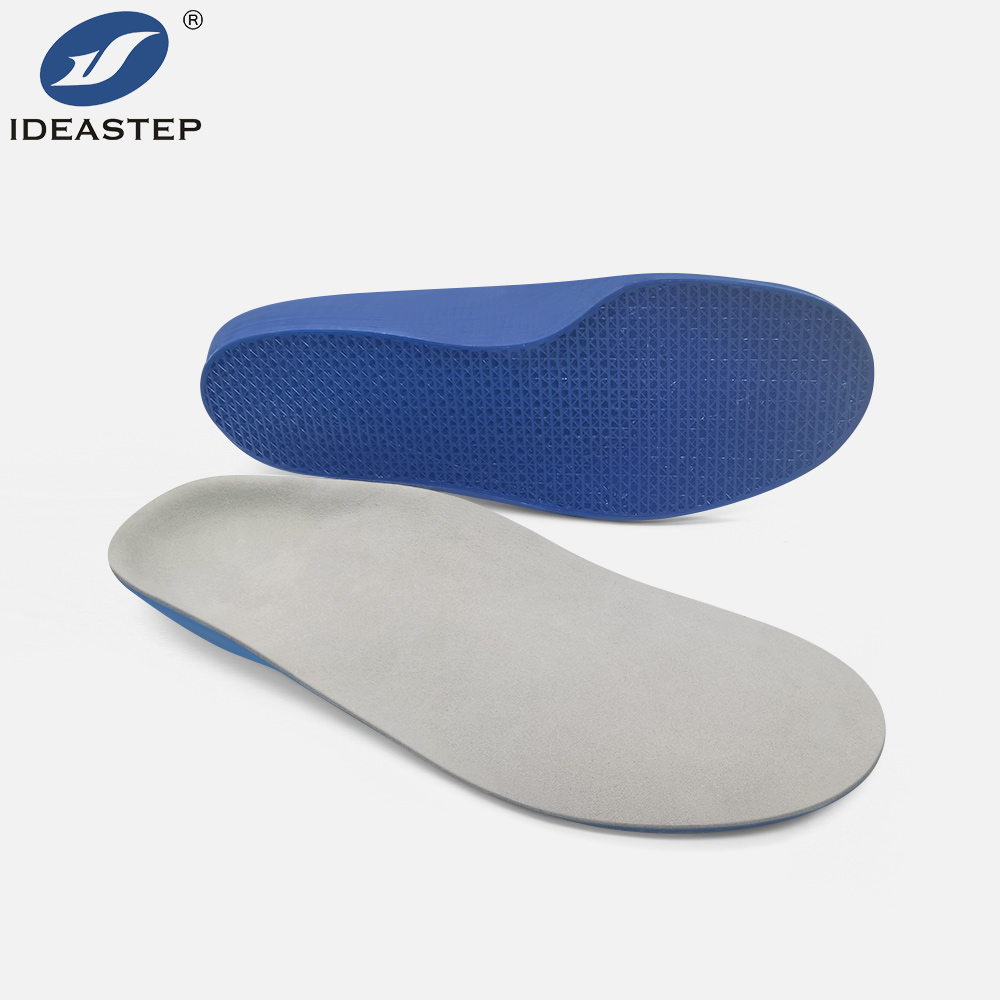
TPU flexibility depends on both material properties and structural design. The main factors include:
- Hardness: Softer TPU grades generally deform more easily, while harder grades offer greater resistance to deformation.
- Thickness: Thicker sections typically increase bending resistance, even when the same TPU grade is used.
- Geometry: Ribs, grooves, curves, and reinforced zones influence flexibility across different areas.
- Material formulation: Different TPU formulations provide varying levels of elasticity, stiffness, and abrasion resistance.
These factors should be evaluated together. Material hardness alone cannot predict how a finished TPU insole will perform.
2. Balancing Flexibility and Structural Support
TPU flexibility directly affects how an insole responds to mechanical loads. A flexible structure allows greater bending, while a firmer construction provides more resistance to deformation.
For insole development, manufacturers can adjust flexibility across different zones:
- Heel: A firmer structure helps maintain the heel component’s shape and dimensional stability.
- Arch: Controlled stiffness helps maintain the intended arch profile.
- Forefoot: Greater flexibility accommodates the bending requirements of footwear during movement.
Zoned flexibility can be achieved through changes in TPU thickness, hardness, and geometry. This approach provides more design control than using a uniform structure throughout the insole.
3. How Flexibility Influences Durability
Flexibility and durability are related, but they measure different aspects of material performance. A TPU component must withstand repeated deformation without cracking, excessive permanent deformation, or loss of its intended shape.
Several properties deserve attention during material selection.
Repeated Bending Resistance
The forefoot area often experiences repeated bending. TPU grade selection and component geometry should account for this mechanical demand.
Thickness transitions and sharp structural edges also require attention, as they can affect stress distribution within the component.
Elastic Recovery and Compression Set
Elastic recovery describes the material’s ability to return toward its original shape after deformation. Compression set measures the permanent deformation remaining after compression and recovery under specified test conditions.
Both properties help assess whether a TPU component can maintain its designed profile over repeated loading cycles.
Abrasion Resistance
TPU generally offers good abrasion resistance, although actual performance varies by formulation and surface conditions. Manufacturers should select the grade according to the component’s exposure to friction and mechanical wear.
Bonding Strength
TPU is frequently combined with EVA foam, PU foam, mesh, or other top-cover materials. Adhesive compatibility and surface preparation affect bonding strength.
Poor bonding can lead to layer separation, particularly when the finished insole undergoes repeated flexing. Therefore, bonding performance should be evaluated as part of the complete construction.
4. TPU Hardness and Thickness Selection
Hardness and thickness are two primary variables in TPU insole design. Softer grades and thinner sections generally allow greater flexibility, while harder grades and thicker sections increase resistance to bending.
| Design Factor | Softer or Lower Configuration | Firmer or Higher Configuration |
|---|---|---|
| TPU hardness | Easier deformation | Greater resistance to deformation |
| Component thickness | Lower bending resistance | Higher bending resistance |
| Forefoot structure | Greater bending flexibility | More controlled bending |
| Arch structure | More flexible profile | Firmer structural support |
| Heel structure | Greater deformation potential | Better shape retention potential |
These are general design tendencies, not fixed performance outcomes. Material formulation, component geometry, and the surrounding layers also influence the final mechanical properties.
Manufacturers should therefore validate hardness and thickness combinations through prototype testing rather than selecting specifications independently.
5. Combining TPU with Other Insole Materials
TPU can be integrated with foam and textile materials to achieve specific structural and surface requirements.
Common combinations include:
- TPU and EVA foam: EVA provides cushioning and low weight, while TPU adds structural reinforcement.
- TPU and PU foam: PU foam contributes cushioning and resilience, while TPU supports selected structural areas.
- TPU and mesh fabric: Mesh provides a textile surface, while TPU forms the supporting component.
- TPU and microfiber: This combination allows manufacturers to develop different surface finishes and product specifications.
Layer thickness, bonding methods, and material compatibility all influence finished-product performance. A TPU component should therefore be evaluated within the complete insole construction, not as an isolated material.
6. Manufacturing and Quality Control
Consistent TPU insole production requires control over material specifications, component geometry, and processing conditions.
Material Selection
Define the required TPU grade, hardness, thickness, flexibility, and recovery characteristics according to the product’s structural requirements.
Molding and Forming
Processing temperature, mold design, and cooling conditions can affect dimensional accuracy and component consistency. These parameters should remain controlled during production.
Structural Design
CAD development allows manufacturers to adjust thickness distribution, support zones, curves, and transition areas. These details influence bending resistance and shape retention.
Quality Inspection
Key inspection items include:
- TPU hardness and thickness
- Component dimensions and profile
- Flexibility and bending resistance
- Repeated flex performance
- Elastic recovery and compression set
- Bonding strength in multilayer constructions
Consistent test methods help manufacturers compare material grades, verify samples, and monitor production batches.
7. Applications of Flexible TPU Insoles
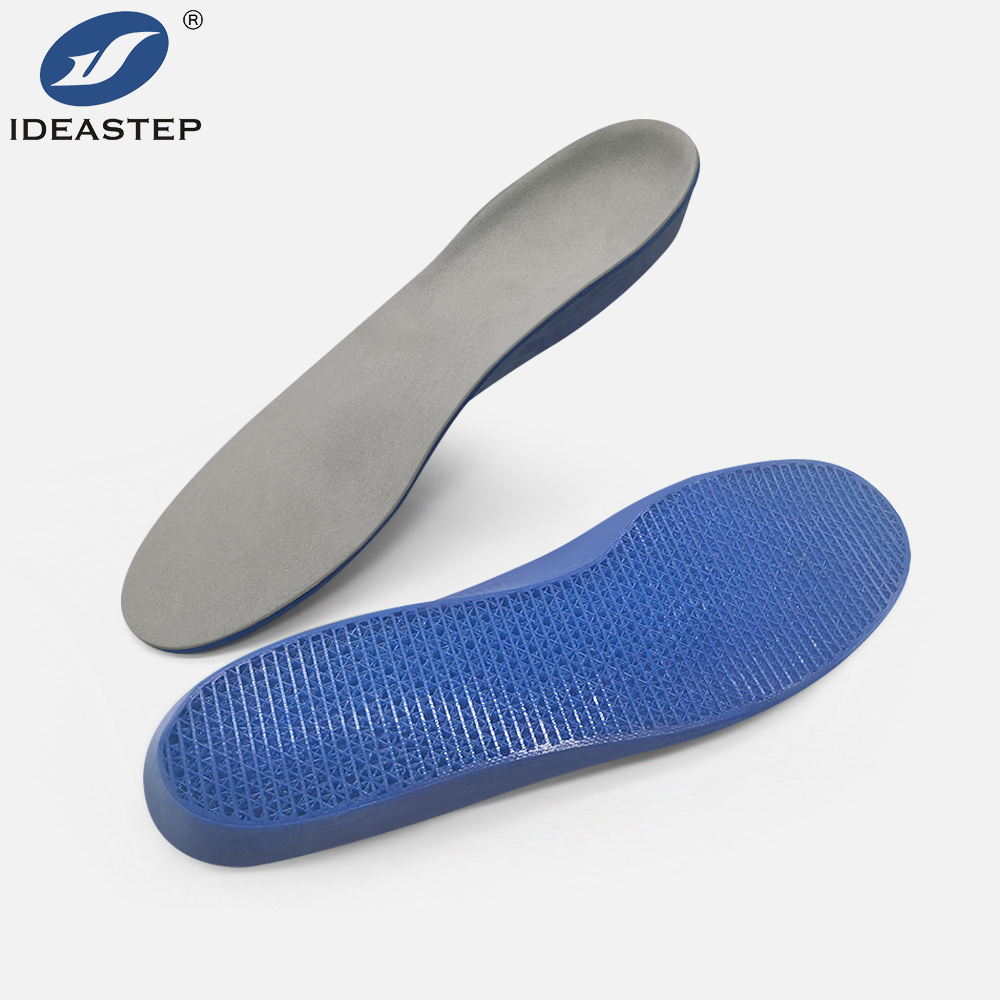
TPU flexibility requirements vary by product category and structural design.
- Sports Insoles: Flexible forefoot sections can be combined with firmer heel and arch components to meet footwear-specific bending and support requirements.
- Orthotic Insoles: TPU components can form selected support structures, with hardness and geometry determined by the required design profile.
- Casual Footwear Insoles: Flexible TPU constructions can provide a balance of adaptability, structural integrity, and wear resistance.
- Work Footwear Insoles: Material selection should account for repeated mechanical loading, component durability, and compatibility with the footwear construction.
Each application requires its own material and structural specifications. A single TPU hardness or thickness cannot suit every insole design.
8. Custom TPU Insole Development for OEM Projects
For footwear brands, orthotic manufacturers, and insole wholesalers, TPU flexibility should be defined through measurable product specifications.
A development brief should cover:
- TPU grade and target hardness
- Component thickness and dimensions
- Flexibility requirements for heel, arch, and forefoot zones
- Elastic recovery and durability requirements
- Compatibility with EVA, PU, and top-cover materials
- Footwear type and available internal space
- Sample quantity and bulk order requirements
During prototype development, manufacturers can compare different TPU grades, thicknesses, and structural configurations. Flexibility tests, dimensional inspections, and finished-product evaluations help confirm whether the construction meets the project specifications.
Conclusion
TPU insole performance depends on the relationship between material flexibility, structural support, and durability. Hardness and thickness determine much of the material’s bending behavior, while geometry and layer construction influence the performance of the finished product.
For OEM development, manufacturers should evaluate these factors together and validate the complete construction through sample testing. This approach supports more consistent TPU insole designs across sports, orthotic, casual, and work footwear applications.
Related Insole Products: 3D-15 Fresh Comfort 3D Printed Insole | Velvet Surface & Breathable Foot Environment.