Developing custom orthotic inserts for a footwear collection requires clear technical specifications and close coordination between the brand and manufacturer. Dimensions, material composition, support structure, surface finish, and production tolerances all need to be defined before bulk manufacturing.
For footwear brands and private label buyers, a well-prepared OEM specification sheet reduces misunderstandings during sampling and gives production teams a consistent reference.
1. Define the Target Footwear Requirements
The target shoe model determines the basic dimensions and construction limits of the insole. Different footwear categories have different internal shapes and available space, so manufacturers need accurate footwear information before developing a sample.
Key details include:
- Footwear category and shoe model
- Internal shoe length and width
- Available space beneath the footbed
- Existing insole dimensions and profile
- Required size range
- Replacement or original equipment requirements
A reference shoe, existing insole, or technical drawing can help the manufacturer assess fit and identify design limitations.
For projects covering multiple footwear models, buyers should also clarify whether one insole design can serve several models or whether each requires a separate specification.
2. Confirm the Core OEM Specifications
The specification sheet should describe the insole’s dimensions, materials, and structural features. Avoid broad descriptions that leave room for different interpretations during production.
Dimensions and Size Grading
Specify the insole length, width, thickness, heel shape, and forefoot profile. For multi-size projects, provide the required size range and grading requirements.
Buyers should also confirm whether the manufacturer should follow standard footwear sizing or brand-specific measurements.
Material Composition
List the materials used in each layer, including:
- Top-cover material
- Cushioning layer
- Structural support component
- Base material
- Adhesive or bonding requirements
Where possible, provide material grades, technical specifications, or approved reference samples. Terms such as “soft foam” or “firm support” are not precise enough for consistent manufacturing.
Support Profile and Structural Details
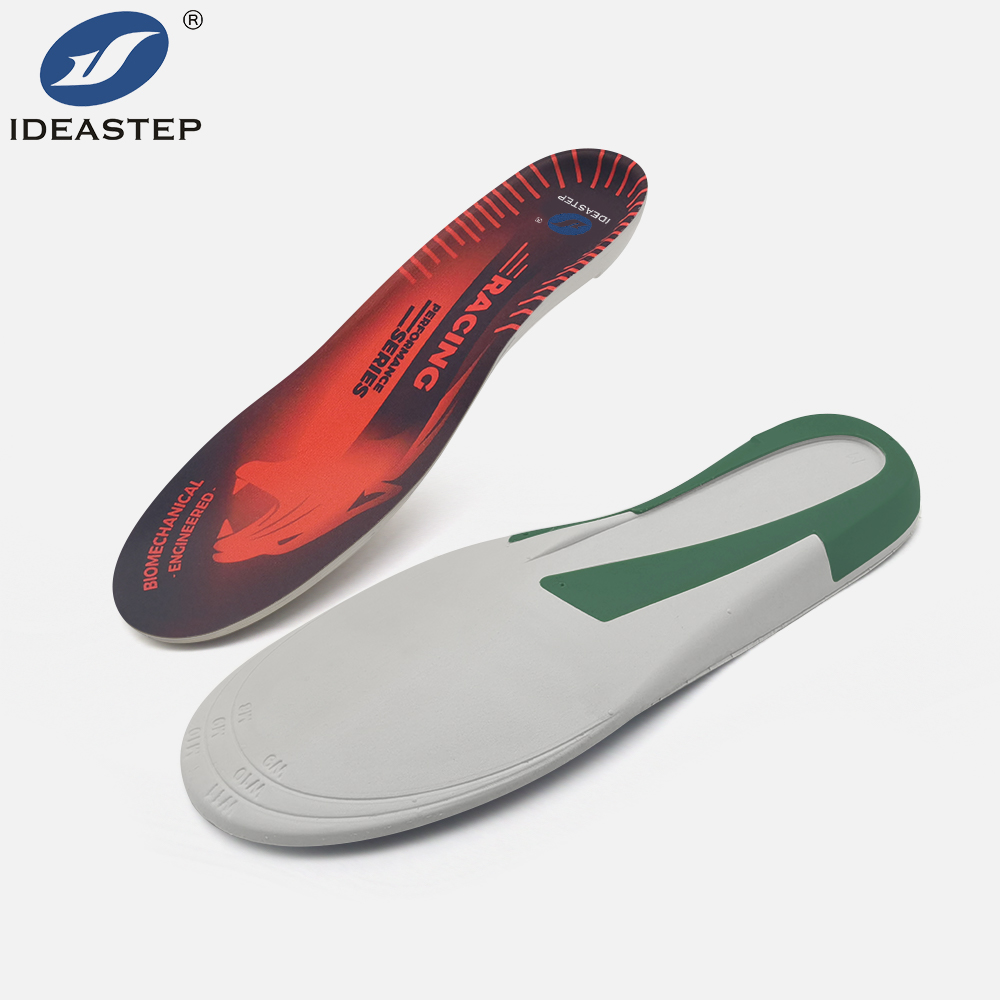
Depending on the design, custom orthotic inserts may include arch profiles, heel cups, metatarsal features, or semi-rigid support components.
Technical drawings and reference samples provide clearer guidance than general descriptions. Buyers should specify important dimensions, component positions, and structural requirements so the manufacturer can assess the design against the target footwear.
3. Specify Surface Finish and Branding
Finishing requirements should be documented alongside the technical specifications, particularly for private label and premium footwear projects.
- Top-cover finish: Confirm material, color, texture, and surface appearance.
- Logo application: Provide artwork, placement, size, and preferred application method.
- Edge finishing: Define trimming shape and visible edge requirements.
- Packaging: Specify individual bags, labels, size markings, and packaging format.
Keeping branding and packaging details in the specification sheet helps prevent omissions during sampling and production.
4. Sample Development and Approval
Sample development allows both parties to verify the proposed construction before mass production. The review should focus on measurable requirements and compatibility with the target shoe.
Check the following points:
- Insole dimensions and fit inside the footwear
- Overall thickness and profile
- Material type and surface finish
- Arch and heel geometry
- Layer alignment and bonding
- Logo placement and packaging
Record any requested changes in writing. Updated drawings, measurement notes, and sample references help the manufacturer track revisions accurately.
Once approved, the final sample and specification sheet should become the official production references.
5. Quality Control for Bulk Production
Bulk production should follow the approved sample and documented specifications. Buyers and manufacturers need to agree on inspection points and acceptable tolerances before production begins.
| Inspection Area | Key Requirements |
|---|---|
| Dimensions | Length, width, thickness, and profile |
| Materials | Approved types and specifications |
| Appearance | Color, surface finish, and visible defects |
| Construction | Layer alignment and bonding quality |
| Branding | Logo position and presentation |
| Packaging | Labels, size markings, and packing details |
Critical dimensions and material properties should have defined tolerances where applicable. A general instruction such as “same as sample” is not sufficient when production requires measurable standards.
Consistent inspection criteria also make it easier to evaluate repeat orders and compare different production batches.
6. Confirm Production and Order Details
After sample approval, buyers should confirm the commercial and manufacturing requirements with the supplier.
Important details include:
- Order quantity and size breakdown
- MOQ and pricing
- Approved sample and specification version
- Production lead time
- Packaging and labeling requirements
- Shipping terms and delivery arrangements
For multi-size orders, provide the quantity required for each size rather than only the total order volume. This helps the manufacturer plan materials and production more accurately.
Retaining the approved sample and specification sheet also provides a reference for repeat orders.
7. Selecting an OEM Orthotic Insert Manufacturer
A suitable manufacturing partner should understand insole construction, footwear dimensions, and technical specification management. Buyers should assess more than the quoted price.
Key evaluation points include:
- Experience with the required insole category
- Ability to follow technical drawings and reference samples
- Material sourcing and component coordination
- Sample development and revision procedures
- Production consistency and quality inspection
- OEM, ODM, and private label capabilities
Clear communication is equally important. The manufacturer should identify incomplete specifications and potential construction issues before they affect sample approval or bulk production.
Ideastep works with footwear brands, orthotic insole buyers, and distributors on custom insole development and wholesale supply. Projects can begin with technical drawings, reference samples, or target footwear specifications.
Develop Custom Orthotic Inserts for Your Footwear Brand
A complete OEM specification should cover dimensions, materials, support structure, finishing, and quality requirements. Confirming these details before sampling gives both the brand and manufacturer a clearer basis for development and production.
Contact Ideastep with your target shoe model, technical drawings, or reference samples to discuss custom orthotic insert specifications, sample development, and wholesale manufacturing.
Related Solutions:
Orthotic Inserts Custom Build High Margin Footwear Lines For Wholesale Partners