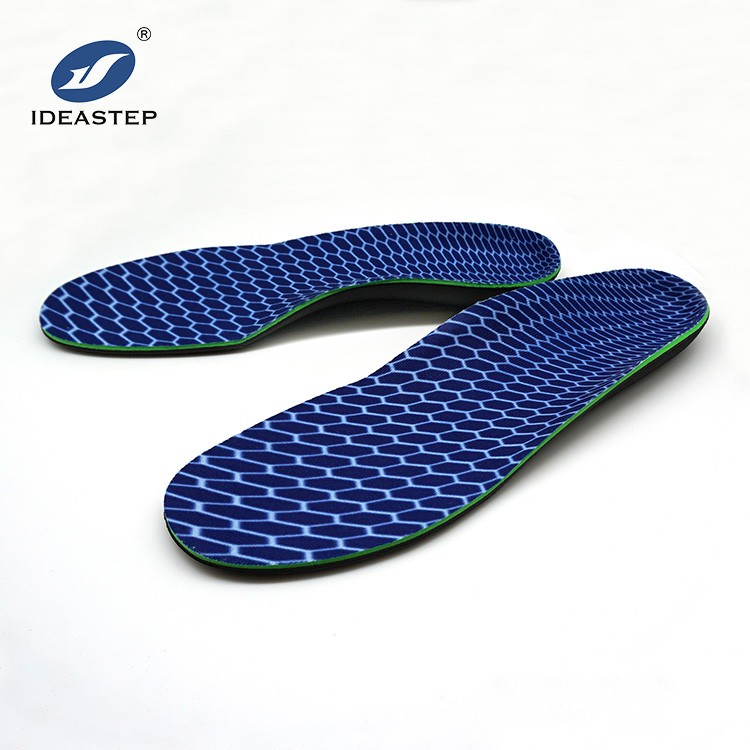
When sourcing custom orthopedic insoles for your footwear brand, clinic network or wholesale catalog, loose specifications often lead to inconsistent batches, poor fit feedback and expensive rework. Many footwear buyers fixate first on price and minimum order quantities, while skipping the technical details that determine long-term product performance. This guide lays out practical, verified specs you should lock in before approving tooling or 3D print production. It is written for buyers serving end users living with plantar fasciitis, high arches, bunions, diabetic foot concerns and those needing athletic support.
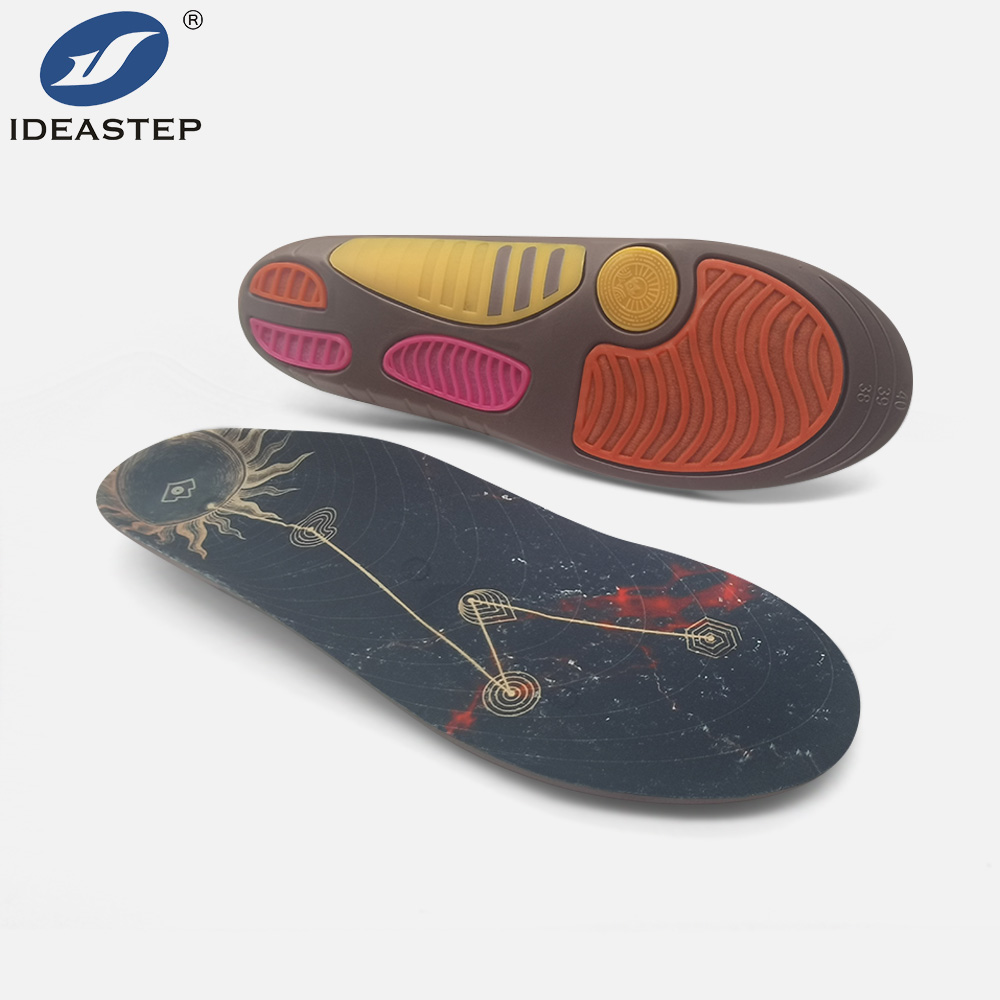
Start With End Use And Footwear Compatibility
The same orthotic profile will underperform if it does not fit the shoe cavity it sits inside. This is the first check we walk through with every new wholesale partner.
First, define the footwear category: athletic trainers, safety work boots, casual dress shoes, hiking footwear or narrow toe-box heels. Each style has unique internal volume, heel opening and forefoot flex zones. A thick, rigid shell orthotic built for work boots cannot fit into a slim running shoe without lifting the heel and creating painful pressure points.
You also need to outline your target user group. Diabetic orthotics require seamless, low-pressure top covers to redistribute load gently. Sports orthotics balance stable support with enough forefoot flex for push-off. Pediatric orthoses rely on gradual, adjustable support instead of aggressive over-correction. These use cases influence every downstream specification, from shell thickness to cover material selection.
Core Structural Geometry Specifications
Arch height alone does not define geometry. Geometry controls how weight transfers across the foot during walking or running.
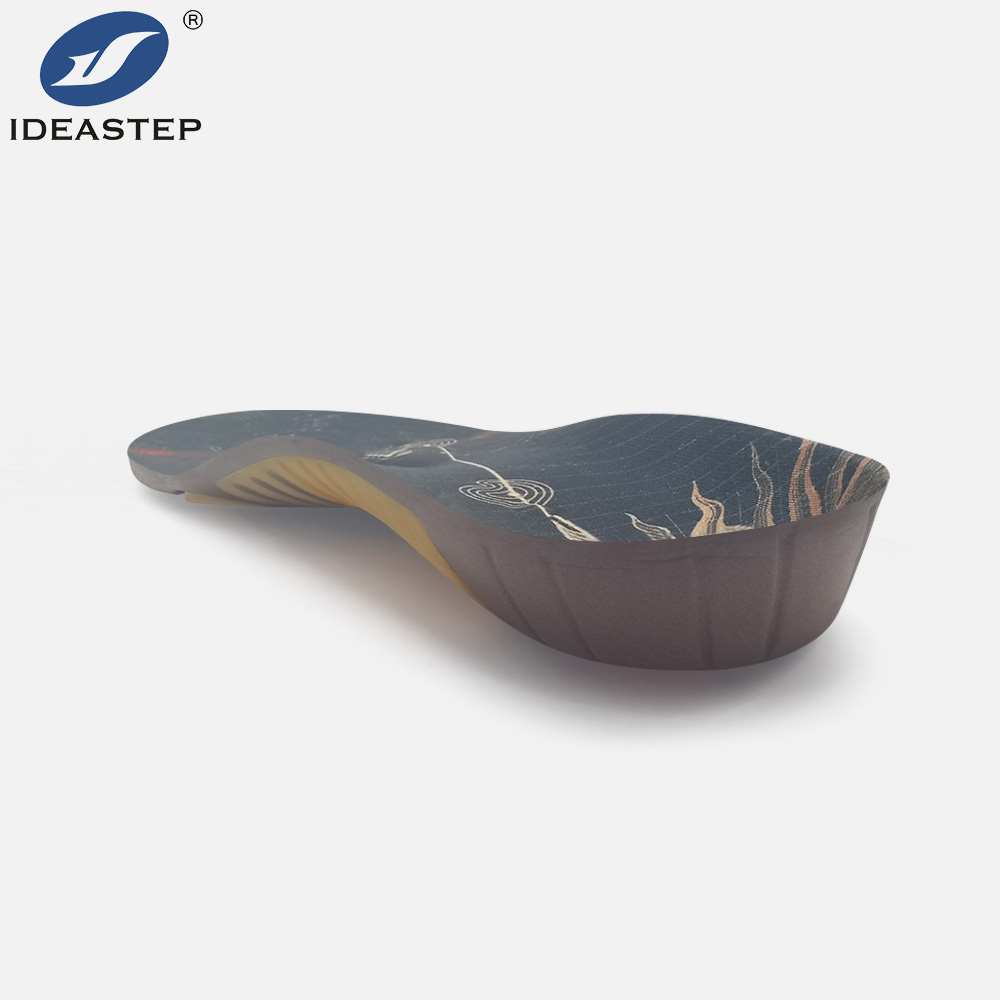
Heel cup depth and wall angle form the foundation. A shallow heel cup delivers mild alignment for everyday comfort. A deeper, reinforced cup stabilises the rearfoot to manage overpronation. Your spec sheet should include cup depth, medial and lateral wall height, plus heel rim radius to prevent rubbing and blistering.
Arch contour needs to be defined by location, not just a single height value. The apex of arch support sits differently for flat feet versus high-arched feet. Wholesale buyers frequently make the mistake of only scaling length between sizes, which shifts the arch forward or backward on smaller foot sizes. Size-specific grading rules or reference CAD files stop this common issue.
Metatarsal pads and cutouts are another key detail. For bunion relief or metatarsalgia, you will specify pad placement, thickness, hardness and whether the pad is bonded or integrated into the shell. Full-length, three-quarter or heel-only orthotic formats also belong here, as they change material layouts and unit costs.
Material Layer Specs And Durability Testing
Custom orthopedic insoles are layered components, and each layer serves a clear purpose.
The base shell delivers structural rigidity. Popular options include PP shell, TPU, carbon fiber composite and thin hard plastic. Carbon fiber offers strong stiffness at a lighter weight, well suited for cycling and competitive sports. PP shell balances rigidity, thermoformability and wholesale pricing. Your specification should state shell thickness, shore hardness and forming tolerance.
Under the top cover, cushioning layers use EVA, cork, memory foam or closed-cell PU foam. Cork naturally dampens impact and slowly moulds to the user’s foot over time. You can zone EVA densities: firmer under the arch, softer across the forefoot to absorb shock.
Top cover material directly affects safety and daily wear comfort. Medical-grade choices include breathable fabric, moisture-wicking knit, antimicrobial-treated surfaces, soft leather or low-friction cooling conductive fabric. Diabetic-grade covers must avoid seams over high-pressure areas.
For wholesale quality control, agree on lab testing standards before bulk production. Key metrics include compression set, fatigue cycle resistance, interlayer peel strength and slip resistance. Third-party test reports make it easier to back up quality claims with your clinic and resale customers.
Scanning, CAD And Manufacturing Tolerances
Modern custom orthotics rely on foot scan data, but clean scans alone do not guarantee consistent finished goods.
Your supplier should confirm whether they accept STL files exported from your own 3D foot scanners, or if they provide scanning and CAD modelling services. Clarify tolerance ranges for thickness, contour and trimming. ±0.5 mm is standard for precision medical orthotics, while general support insoles can accommodate wider tolerances.
Two manufacturing methods dominate wholesale custom orders: vacuum thermoforming and 3D printing. 3D printing works best for complex, patient-specific shapes with internal cutouts. Thermoformed shells remain cost-effective for larger wholesale runs with standardised profiles. Both methods require clear trimming guidelines around the toe and heel to match shoe last patterns.
If you offer on-site custom cutting for your distribution partners, add cutting templates and tool calibration to your technical package. This keeps results consistent across your whole reseller network.
Regulatory And Compliance Specs For Your Market
Compliance cannot be an afterthought once you add orthopedic performance claims to your product listings.
For the EU market, custom orthotics classified as medical devices fall under EU MDR, requiring CE marking, technical documentation and risk files. Manufacturers holding ISO 13485 certification are the preferred choice for clinics and medical distributors. For US sales, confirm FDA classification and GUDID registration where applicable.
REACH, RoHS and heavy metal limits apply to all materials across both regions. Diabetic orthotics carry extra expectations around biocompatibility and skin irritation testing. Many footwear partners overlook this critical distinction: simple comfort inserts face far lighter regulation than orthoses marketed to correct foot alignment.
Prepare separate compliance packs for consumer SKUs and medical-distribution SKUs, so your sales team understands which product claims are permitted.
Order, Sampling And Quality Control Workflow For Wholesale
Solid specifications do not remove the need for a structured sampling process.
Start with a master sample, CAD drawing or reference STL file. Sign off on the first article sample for geometry, material feel, weight and shoe fit. Next, run a small pre-production batch to validate size grading, layer adhesion and trimming consistency. This step catches grading errors before you commit to large-volume orders.
Talk through MOQ flexibility early. Many wholesale footwear partners need low minimums for clinic pilot lines, alongside volume pricing for footwear brand integration. Confirm scan-to-delivery lead times, rework policy and defect acceptance thresholds.
We also recommend setting up a formal change control process. Any adjustment to arch height, shell thickness or cover material requires a revised sample and fresh approval, rather than informal adjustments on the production floor. This protects your brand reputation across your reseller network.
Final Notes For Your Next Custom Orthotic Project
Reliable custom orthopedic insoles come from well-defined specifications, not guesswork. Wholesale footwear partners who document geometry, material grades, tolerances and compliance requirements reduce return rates, build trust with clinic buyers and create stable, repeatable supply chains.
If you plan to launch a branded custom orthotic line or add medical-grade orthotics to your footwear catalog, share your shoe last specs, target user profiles and market requirements. We can develop CAD profiles, arrange sample batches and prepare compliant documentation aligned with your wholesale terms.
Explore More: Custom Made Orthopedic Insoles Manufacturer | OEM & Bulk Solutions for Podiatry Clinics.