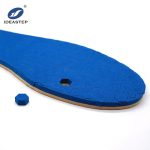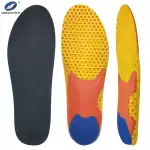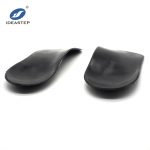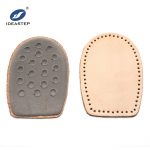
High arches create a different pressure pattern compared with normal foot structures. Because the foot has less contact with the ground, pressure may concentrate around the heel and forefoot during walking, running, or long periods of standing.
Choosing the best insoles for high arch and metatarsal pad is not only about cushioning. A suitable insole should provide the right balance of arch support, forefoot pressure distribution, shock absorption, and comfort.
This guide explains the key features of high arch insoles and how metatarsal pads improve overall foot support.
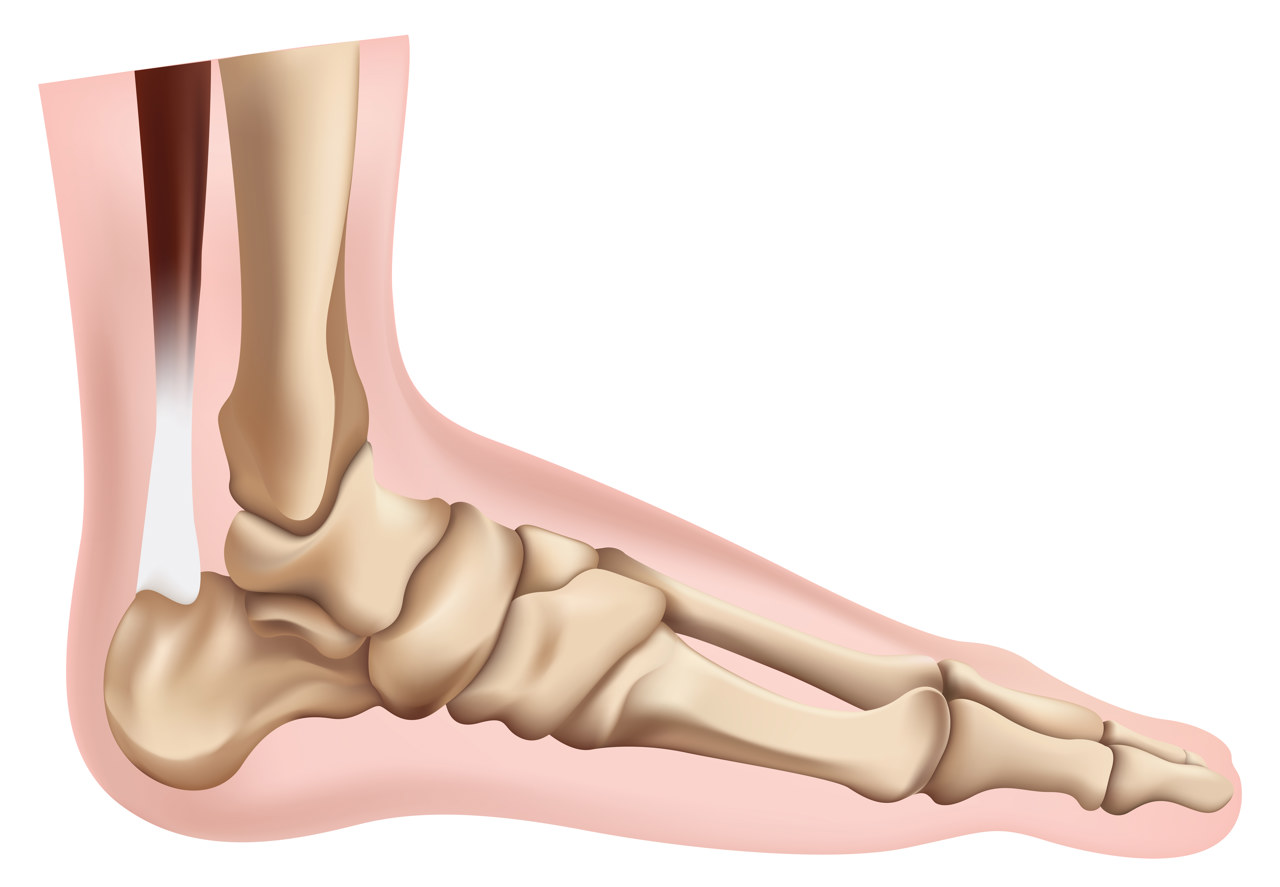
Why High Arches Need Additional Support
The foot arch helps absorb impact and distribute body weight during movement. However, high arches are usually more rigid and may not spread pressure as effectively as a flexible arch.
This may lead to:
- Higher pressure on the heel and forefoot
- Reduced natural shock absorption
- Increased fatigue during prolonged activities
A well-designed insole does not change the shape of the foot. Instead, it supports the existing structure and helps create a more balanced pressure distribution.
How Metatarsal Pads Improve Forefoot Comfort
A metatarsal pad is a raised support area located behind the metatarsal heads. Its purpose is to help redistribute pressure across the forefoot rather than simply add extra cushioning.
A properly designed metatarsal pad can:
- Improve forefoot pressure distribution
- Reduce concentrated loading areas
- Enhance walking comfort
The position and firmness of the pad are important. Professional insole designs adjust these factors according to foot structure, footwear type, and application requirements.
Key Features of High Arch Insoles
Balanced Arch Support
High arch feet require support, but excessive support may create additional pressure.
A quality arch support design should:
- Follow the natural contour of the foot
- Provide stability without limiting movement
- Improve overall pressure balance
The goal is to support the arch, not force it into a different position.
Shock Absorption and Cushioning
Because high arches may transfer more impact to specific areas of the foot, cushioning performance is an important consideration.
Effective shock absorption depends on:
- Material quality
- Foam structure
- Insole thickness
A good insole should combine cushioning with enough stability to maintain proper foot support.
Breathable Materials
Breathability also affects long-term comfort.
Many high-quality insoles use:
- Mesh fabric covers
- Moisture-control layers
- Lightweight foam materials
These features help improve airflow and comfort during extended wear.
Why EVA Is Commonly Used in High Arch Insoles
EVA (Ethylene Vinyl Acetate) is widely used in orthotic insole manufacturing because it provides a good balance of:
- Lightweight performance
- Shock absorption
- Flexibility
- Durability
By adjusting EVA density and hardness, manufacturers can develop insoles for different applications, including sports shoes, work boots, casual footwear, and orthotic products.
Its flexibility also makes EVA suitable for customized insole solutions.
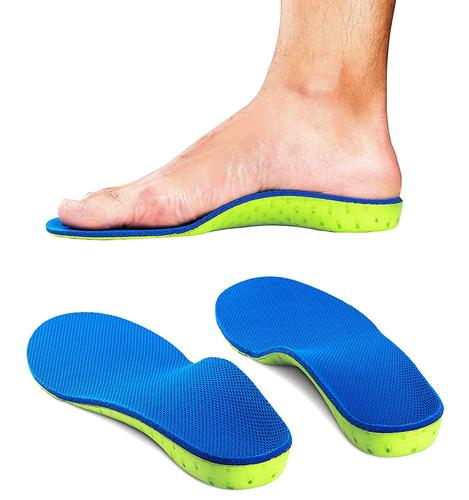
Soft Insoles vs Orthotic Insoles with Metatarsal Pads
| Feature | Soft Cushion Insoles | Orthotic Insoles with Metatarsal Pad |
|---|---|---|
| Main Purpose | Basic comfort | Support and pressure management |
| Arch Support | Limited | Structured |
| Forefoot Support | Basic | Enhanced |
| Customization | Limited | Available |
Soft insoles mainly improve cushioning, while orthotic insoles provide additional structural support for specific foot requirements.
How to Choose the Right Insole
When selecting insoles for high arches, consider:
Foot structure:
Different arch heights require different levels of support.
Daily activities:
Running, walking, and standing jobs create different pressure demands.
Footwear type:
The insole should fit properly inside running shoes, work boots, or casual footwear.
Choosing the right combination of support and cushioning usually provides better comfort than choosing based only on softness.
Custom Orthotic Insoles for Brands and Distributors
For footwear brands, healthcare distributors, and orthotic companies, customized solutions provide more flexibility.
Manufacturers can customize:
- Arch support design
- Metatarsal pad position
- EVA hardness
- Insole thickness
- Top cover materials
- Branding and packaging
With professional OEM and ODM capabilities, companies can develop insole products designed for different markets and footwear applications.
Frequently Asked Questions
Are metatarsal pads good for high arches?
Metatarsal pads may help improve forefoot pressure distribution when properly positioned. The ideal design depends on foot structure and usage needs.
What material is best for high arch insoles?
EVA is one of the most common materials because it provides lightweight cushioning, durability, and customization flexibility.
Can high arch insoles be customized?
Yes. Manufacturers can customize support levels, materials, thickness, and design according to customer requirements.
Conclusion
The best insoles for high arch and metatarsal pad should provide more than simple cushioning. A well-designed insole combines balanced arch support, forefoot pressure management, shock absorption, and breathable materials to improve everyday comfort.
For brands and distributors, customized EVA orthotic insoles offer flexible solutions for different footwear markets. Ideastep provides OEM and ODM insole manufacturing services with customized designs and material options to support global foot care product development.