Custom arch support is becoming an important design consideration for orthotic insole manufacturers, footwear brands, and orthotic product suppliers. As product requirements become more specific, businesses need to balance support structure, material performance, manufacturing consistency, and production costs.
For B2B buyers, developing custom arch support involves more than adjusting the arch shape. Material selection, structural design, prototyping, and quality control all influence the final product and its suitability for different footwear applications.
1. What Makes Custom Arch Support Different from Standard Insole Designs?
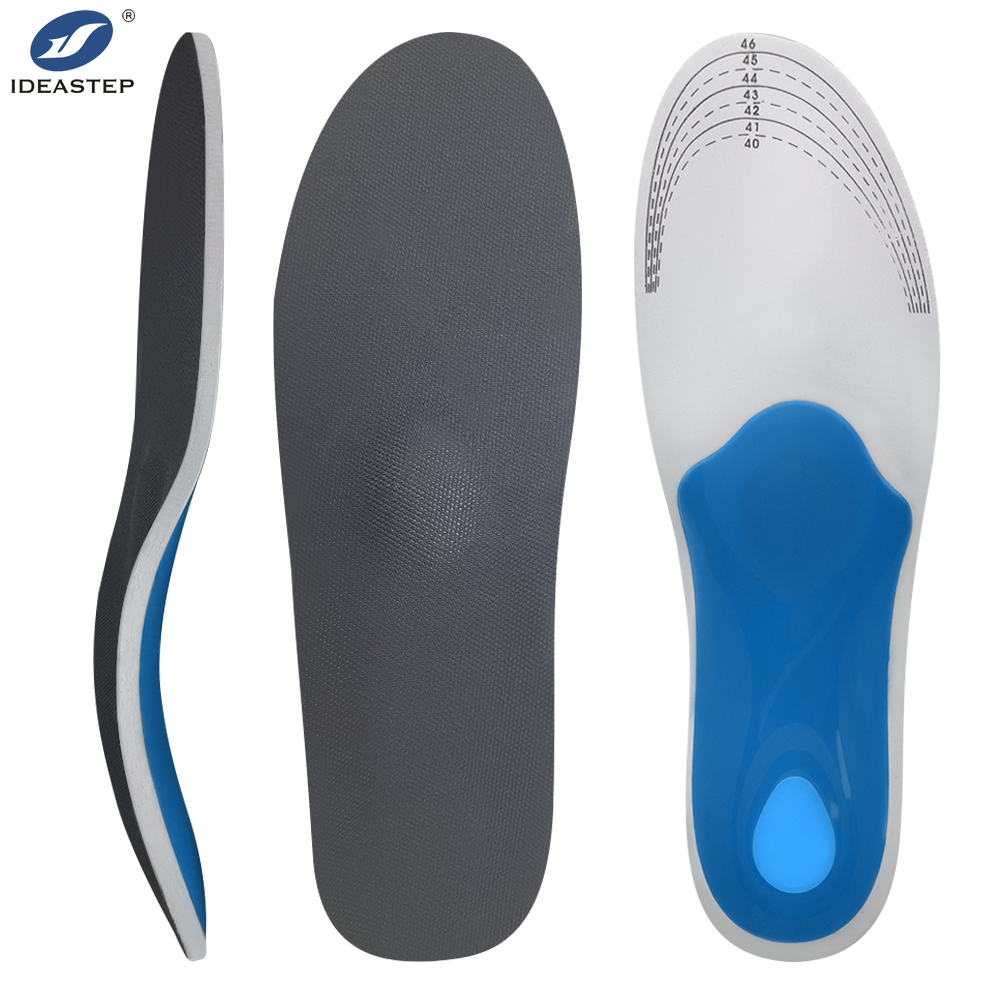
Standard insoles typically use fixed shapes and specifications to support large-volume production. Custom arch support allows manufacturers to adjust the arch contour, support structure, material hardness, and overall construction to meet specific product requirements.
These adjustments can help orthotic brands develop differentiated product lines for medical supply channels, specialty footwear, sports applications, and other targeted markets.
For manufacturers, the key is to define the required support characteristics before production. Clear specifications make it easier to evaluate prototypes, select suitable materials, and maintain consistency across production batches.
2. Key Design Factors for Custom Arch Support
Arch Height and Contour
Arch height and contour influence the insole’s shape and contact with the foot. Manufacturers should define these dimensions according to the intended application, footwear structure, and product design requirements.
Material Hardness and Structural Stiffness
Hardness and stiffness affect how an insole responds to pressure and loading. A suitable combination depends on the required support level, material thickness, and construction. Material samples and prototypes can help verify whether the design meets the intended specifications.
Heel Cup and Midfoot Structure
The heel cup and midfoot structure work together with the arch profile. Their dimensions and geometry should be considered as part of the overall insole design rather than developed independently.
Thickness and Top Cover
Insole thickness affects the available space inside footwear, while the top cover influences surface characteristics and durability. Both should be considered early in development to reduce compatibility issues during sampling and production.
3. Selecting Materials for Custom Arch Support Insoles
Material selection affects product structure, weight, cushioning, durability, and manufacturing methods. The most suitable option depends on the target application and the required performance specifications.
EVA
EVA is widely used in orthotic insoles because it is lightweight and available in different densities and hardness levels. It can be processed into various shapes and thicknesses, making it suitable for a range of arch support designs.
PU and Memory Foam
PU and memory foam can be used where cushioning and pressure distribution are important design considerations. Their suitability depends on density, formulation, thickness, and the intended product construction.
TPU and Multi-Layer Constructions
TPU can provide a more structured component within an insole design. Multi-layer constructions combine materials with different properties to balance support, cushioning, and flexibility.
When evaluating materials, buyers should consider:
- Hardness, density, and thickness specifications
- Compression behavior and durability requirements
- Compatibility with the intended footwear
- Processing methods and production efficiency
- Consistency between samples and bulk production
4. How Custom Arch Support Benefits Orthotic Brands
Product Line Differentiation
Custom arch support gives brands more flexibility when developing products for different footwear categories and market segments. Variations in geometry, materials, and construction can create distinct product specifications without relying solely on appearance or packaging.
OEM and Private Label Development
Manufacturers offering OEM services can work with brands to translate product requirements into production specifications. Depending on their capabilities, support may include material selection, structural adjustments, prototyping, and private label packaging.
Balancing Performance and Cost
Material choice and construction complexity influence both product performance and manufacturing costs. Evaluating these factors during development helps buyers make informed decisions before committing to bulk orders.
5. From Design Specifications to Mass Production
A structured development process helps reduce misunderstandings between buyers and manufacturers.
Define the Requirements
Provide the intended application, dimensions, material preferences, hardness requirements, target quantity, and any relevant footwear compatibility specifications.
Develop and Review Samples
Prototypes allow both parties to review the arch profile, material combination, dimensions, and overall construction before production approval.
Establish Quality Control Standards
Key specifications should be documented and used as production references. Depending on the product, inspection may cover dimensions, hardness, appearance, bonding, and other agreed requirements.
Maintain Batch Consistency
Clear material specifications, approved samples, and documented inspection procedures help manufacturers maintain consistency across production runs.
6. Evaluating a Custom Orthotic Insole Manufacturer
When comparing suppliers, B2B buyers should look beyond unit price. Manufacturing capabilities, communication, quality management, and production flexibility all affect the reliability of a supply partnership.
- Technical capabilities: Check whether the supplier can support the required materials, structures, and manufacturing processes.
- Sampling and development: Confirm how design revisions and sample approvals are managed.
- Quality control: Ask how product specifications and batch consistency are monitored.
- Production terms: Clarify MOQ, lead time, pricing, packaging, and delivery requirements.
- Communication: Ensure specifications, revisions, and approval requirements are documented clearly.
A supplier that can support both product development and repeat production can help reduce coordination challenges as order volumes grow.
7. Digital Design and the Future of Custom Arch Support
Digital design tools, CAD/CAM systems, CNC processing, and 3D printing are expanding the options available for orthotic insole development. Depending on the product and manufacturing process, these technologies can support design adjustments, prototyping, and more controlled production workflows.
However, digital tools do not replace the need for material validation and quality control. The design must still be evaluated against the product’s specifications, intended application, and manufacturing requirements.
Conclusion
Custom arch support is an important design consideration for orthotic insole brands and manufacturers. A successful product depends on coordinated decisions about arch geometry, material selection, structural design, sampling, and production quality.
For businesses developing custom orthotic insoles, working with an experienced manufacturing partner can help turn product specifications into practical, repeatable production solutions. Contact Ideastep to discuss your orthotic insole project and manufacturing requirements.