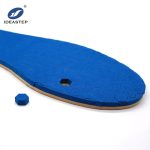
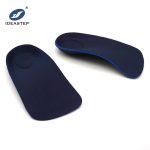
Custom design insoles involve more than modifying an existing product. Each project requires a coordinated approach to material selection, structural design, functional specifications, and manufacturing processes.
For orthotic brands, wholesalers, footwear manufacturers, and foot care product suppliers, these factors determine product characteristics, production feasibility, and consistency across bulk orders.
This guide examines the key technical considerations in custom insole development, from material combinations and structural configurations to manufacturing methods and production validation.
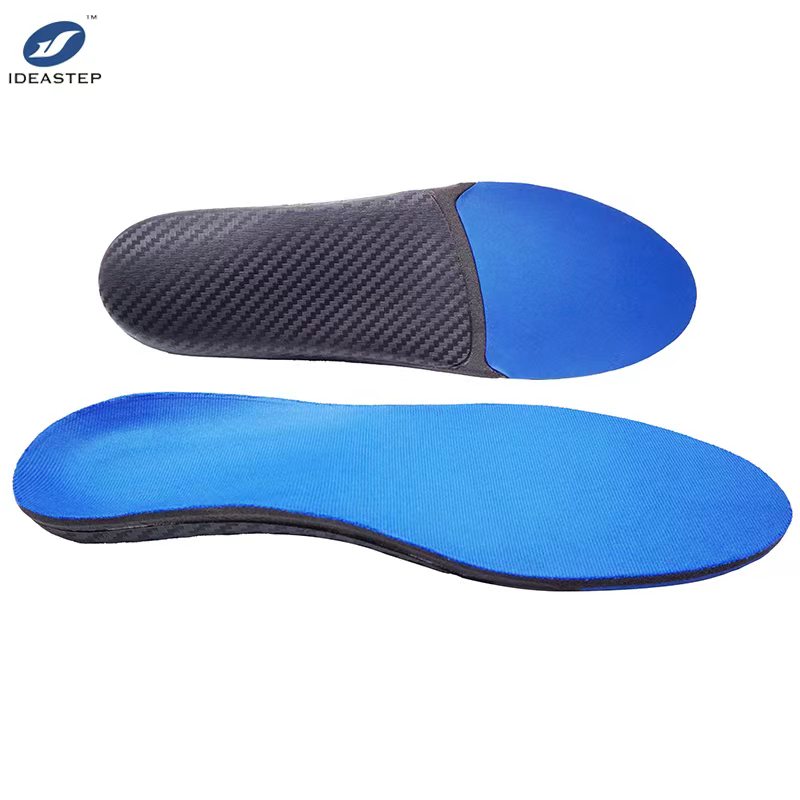
1. Define the Technical Requirements Before Development
A clear product specification provides the foundation for material selection and structural design. Before development begins, buyers should define the intended application, product dimensions, required functions, and manufacturing expectations.
Common custom insole projects include:
- Orthotic Insoles: Products with specified arch profiles, heel configurations, and support structures.
- Sports Insoles: Designs requiring defined cushioning, flexibility, and structural properties.
- Work Insoles: Products developed around footwear dimensions, material durability, and construction requirements.
- Diabetic Insoles: Designs with specified cushioning materials, surface construction, and dimensional requirements.
- Custom Footwear Components: Insole constructions developed to match particular shoe designs.
For an efficient development process, buyers should provide product drawings, reference samples, target dimensions, material preferences, and functional requirements. These details help manufacturers assess feasibility before sampling.
2. Select Materials According to Their Mechanical Properties
Material selection directly affects the weight, firmness, compression behavior, and structural characteristics of custom design insoles. Each material should be evaluated according to its role in the finished construction.
Common Materials Used in Custom Insoles
| Material | Key Characteristics | Typical Applications |
|---|---|---|
| EVA | Lightweight, available in different densities and hardness levels | Cushioning bases, wedges, and support layers |
| PU Foam | Versatile cushioning properties | Cushioning layers and molded constructions |
| Memory Foam | Conforming surface characteristics | Selected cushioning applications |
| PORON | Polyurethane-based material with specified compression properties | Forefoot and heel cushioning |
| TPU | Flexible, with different structural configurations available | Support components and specialized constructions |
| PP | Relatively rigid and suitable for structural applications | Orthotic shells and support bases |
| Textile Materials | Available in different textures and surface finishes | Top covers and surface layers |
Density, Hardness, and Thickness
Density and hardness are important parameters when specifying foam materials. They influence material firmness, compression response, and the overall properties of the finished insole.
- Density: Defines material mass per unit volume and helps distinguish material grades.
- Hardness: Indicates resistance to indentation under a specified test method.
- Thickness: Affects product profile, material volume, and footwear compatibility.
- Compression Performance: Describes material deformation under load and its recovery characteristics.
For multi-density constructions, each layer should have clearly defined material specifications. This helps maintain consistency during sample development and repeat production.
Material Compatibility
Custom insoles may combine foam, plastic components, textiles, and adhesives. Compatibility between these materials is essential for cutting, molding, bonding, and finishing.
Manufacturers should evaluate adhesion, dimensional stability, processing temperature, and material deformation before confirming the final construction.
3. Design the Insole Structure
Structural design determines how individual materials and components work together. The configuration should follow the product specifications rather than adding features without a defined purpose.
Full-Length and Multi-Layer Construction
Full-length insoles extend from the heel to the forefoot. Depending on the design, they may use a single material or combine multiple layers.
Common configurations include:
- Single-layer EVA or PU constructions.
- Multi-layer foam combinations.
- Foam layers bonded to a structural base.
- Textile-covered cushioning systems.
Multi-layer designs allow different materials to serve specific functions. However, additional layers also affect thickness, weight, bonding requirements, and production cost.
Heel Cup and Rearfoot Structure
The heel section can incorporate different cup depths, contours, and levels of rigidity. Key design parameters include heel cup width, depth, wall height, and transition into the midfoot section.
For products with defined rearfoot structures, these dimensions should be specified in the technical drawing and checked against the intended footwear profile.
Arch Profile and Support Components
Arch geometry varies according to product design. Specifications should cover arch height, length, contour, material stiffness, and component positioning.
PP and TPU components may be incorporated into orthotic constructions where a more structured base is required. Their shape and stiffness should be evaluated together with the surrounding cushioning materials.
Forefoot and Metatarsal Design
Forefoot configurations may include additional cushioning, thickness adjustments, or metatarsal modifications. Buyers should specify the position, dimensions, and material composition of these features.
Accurate positioning is particularly important when the design includes defined anatomical contours or customized structural elements.
4. Translate Functional Requirements into Design Specifications
Functional requirements need to be supported by measurable material and structural parameters. General descriptions such as cushioning, stability, or flexibility should be converted into specifications that manufacturers can implement and verify.
| Functional Requirement | Relevant Design Parameters |
|---|---|
| Cushioning | Foam type, density, thickness, and compression behavior |
| Arch Support | Arch geometry, component stiffness, and material selection |
| Heel Stability | Heel cup geometry, base structure, and rearfoot material |
| Flexibility | Material hardness, thickness distribution, and structural grooves |
| Shock Absorption | Cushioning material and construction thickness |
| Lightweight Construction | Material density and component dimensions |
| Surface Durability | Top cover material, bonding, and finishing process |
Cushioning and Compression Performance
Cushioning characteristics depend on material properties, thickness, and layer arrangement. EVA, PU foam, and PORON can be selected according to the required compression behavior and construction specifications.
Where a project requires specific shock absorption or pressure-distribution performance, the relevant claims should be supported by appropriate testing. Material selection alone does not establish a measured performance result.
Support and Structural Stability
Support characteristics depend on component geometry, material stiffness, and positioning. Rigid PP shells, TPU components, and firm EVA bases provide different structural properties.
The appropriate configuration should be determined by the intended product design and verified during sample development.
Flexibility and Weight Control
Flexibility is influenced by material hardness, thickness, and structural geometry. Grooves and other design features can also affect bending behavior.
For lightweight constructions, material density and component thickness should be optimized together without compromising specified structural requirements.
5. Match the Manufacturing Process to the Design
The manufacturing method should suit the material, product geometry, order quantity, and required dimensional accuracy.
Die Cutting
Die cutting is suitable for producing foam, fabric, and other flat components in defined shapes and dimensions. It is commonly used for established product designs and repeat production.
Compression Molding and Heat Forming
Molding and heat forming are used to create shaped components with defined contours and thickness transitions. Processing parameters must be matched to the material and tooling specifications.
CNC Milling
CNC milling is widely used in orthotic manufacturing to process foam blocks into specified surface geometries. It supports customized profiles and repeatable machining based on approved design data.
3D Printing
3D printing supports complex geometries and customized structural patterns, including open lattice configurations. TPU is commonly considered for flexible printed insole structures.
Wall thickness, lattice geometry, material properties, and printing parameters all influence the finished component. The process should be selected according to design complexity, production volume, and cost requirements.
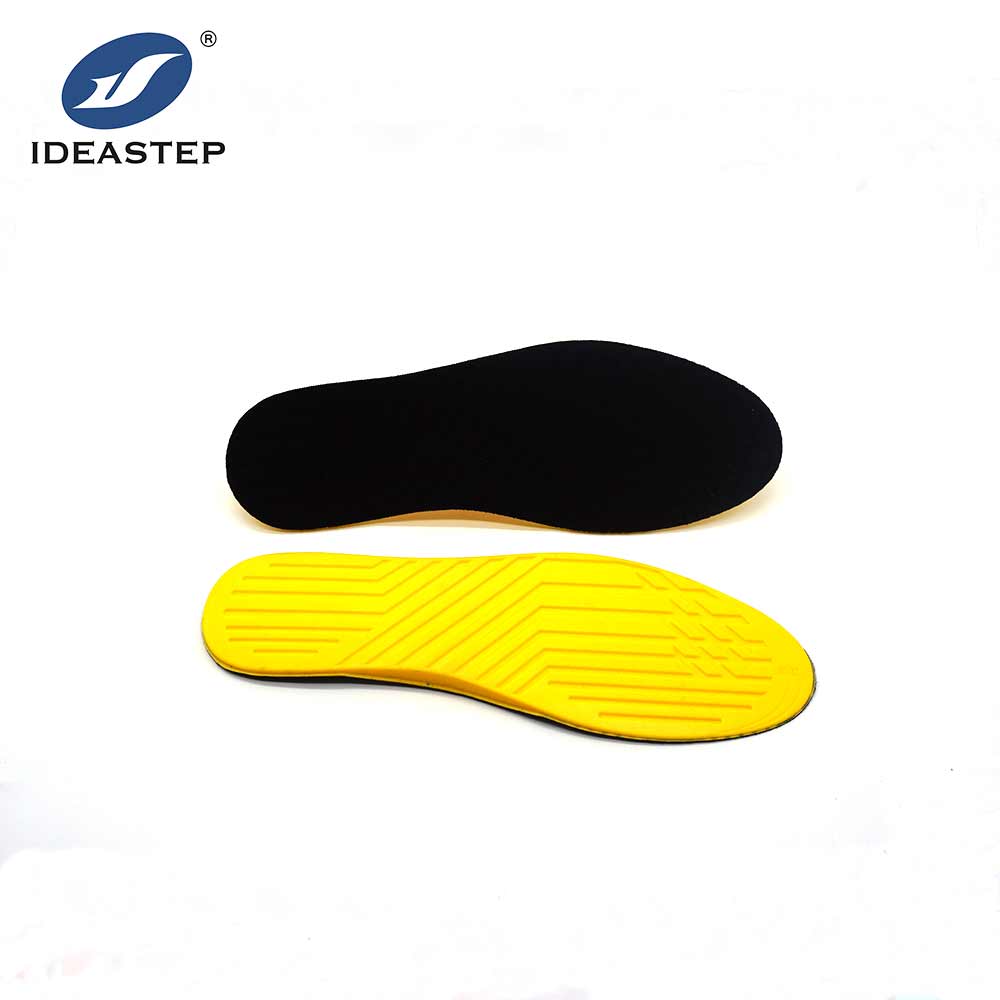
6. Validate Samples Before Mass Production
Physical samples allow manufacturers and buyers to verify the design before finalizing production specifications.
Key Sample Inspection Items
- Dimensions: Length, width, thickness, heel cup depth, and arch profile.
- Materials: Material type, density, hardness, and layer arrangement.
- Construction: Bonding quality, component alignment, and structural consistency.
- Finishing: Top cover alignment, edge quality, and visible defects.
- Footwear Compatibility: Product dimensions and profile against the specified shoe design.
Where functional requirements apply, buyers and manufacturers should agree on relevant test methods and acceptance criteria. These may include compression, flexing, dimensional stability, and adhesion tests.
Maintain an Approved Reference Sample
Once the sample is approved, its material composition, dimensions, and construction details should be recorded as the production reference.
Changes to materials, thickness, geometry, or processing methods should be documented and approved before implementation. This reduces variation between samples and bulk orders.
7. Prepare the Design for Consistent Production
A prototype must be translated into a complete manufacturing specification before mass production. The production team should be able to follow the approved requirements without relying on informal instructions.
A technical specification should include:
- Product drawings and dimensional tolerances.
- Material types, density, and hardness.
- Layer arrangement and thickness requirements.
- Cutting, molding, or machining details.
- Bonding and finishing requirements.
- Size range and color references.
- Logo and packaging artwork.
- Finished product inspection criteria.
Manufacturers should also confirm material availability, tooling requirements, production capacity, MOQ, and lead time. For multi-size projects, the approved design should be checked across the required size range before production.
8. Common Problems in Custom Insole Development
Several development issues can be avoided through clear specifications and early technical evaluation.
Material Selection Based Only on Price
Different material grades can produce different compression, firmness, and durability characteristics. Material comparisons should consider technical properties and sample results, not price alone.
Unnecessary Structural Complexity
Adding multiple layers and support components increases product thickness, weight, and manufacturing complexity. Each feature should have a defined role in the design.
Incomplete Dimensional Specifications
Missing dimensions or unclear drawings can lead to differences in heel cup geometry, arch profile, and overall product shape. Critical measurements and tolerances should be documented before sampling.
Skipping Sample Approval
Bulk production should not begin until the material composition, structure, dimensions, and finishing requirements have been confirmed through an approved sample.
9. Custom Design Insoles Development with Ideastep
Ideastep supplies orthotic insoles and related foot care products to wholesalers, distributors, and brands. Its manufacturing capabilities support customized material combinations, structural development, CNC processing, and 3D printing.
For OEM/ODM custom insole projects, buyers can discuss:
- EVA, PU foam, TPU, PP, and other material options.
- Single-layer and multi-layer constructions.
- Customized thickness, density, and hardness.
- Heel cup, arch, and forefoot profiles.
- Top cover materials and surface finishes.
- Product dimensions and size ranges.
- Logo, labeling, and packaging requirements.
Buyers can provide technical drawings, reference samples, or product specifications as the starting point for development. These details help assess material compatibility, manufacturing feasibility, MOQ, and production lead time.
10. Frequently Asked Questions About Custom Design Insoles
What Materials Are Commonly Used in Custom Design Insoles?
Common materials include EVA, PU foam, memory foam, PORON, TPU, PP, and textile materials. Selection depends on the required cushioning, structural properties, and product specifications.
Can Custom Insoles Combine Multiple Materials?
Yes. Multi-material constructions can combine different foam layers, structural components, and textile covers. Material compatibility and bonding quality should be verified during sample development.
What Information Is Required for Custom Insole Development?
Manufacturers generally need product drawings or reference samples, dimensions, material preferences, functional requirements, size ranges, estimated quantities, and branding details.
Which Manufacturing Method Is Suitable for Custom Insoles?
Die cutting, molding, CNC milling, and 3D printing are all used in insole manufacturing. The appropriate method depends on material properties, product geometry, design complexity, and production volume.
How Can Buyers Maintain Consistent Quality in Bulk Production?
Approve a sample with complete technical specifications before production. Material requirements, dimensions, construction details, and inspection criteria should remain consistent across production batches.
Develop Your Custom Design Insoles with Ideastep
Successful custom insole development depends on accurate specifications, suitable material combinations, and a manufacturing process that supports the intended design.
Ideastep works with B2B customers on customized orthotic insole projects, from material selection and structural development to OEM/ODM production.
Share your technical drawings, reference samples, or product requirements with our team to discuss your project.
Contact Ideastep for custom design insole development and wholesale inquiries.
Related Articles:
Custom Insoles for Shoes: What Wholesale Buyers Need Beyond Standard Designs
Custom Made Orthopedic Insoles for Footwear OEMs: Design, Integration, and Manufacturing