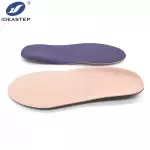
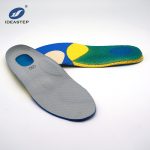
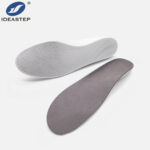
Standard insole designs can cover many routine wholesale requirements. However, once a product range needs specific dimensions, material combinations, or structural features, off-the-shelf options may no longer be sufficient.
For wholesalers, distributors, and footwear brands, developing custom insoles for shoes involves more than changing a few product details. The decision affects product positioning, SKU management, development costs, and repeat-order consistency. The key is to identify which specifications need to change and which can remain standardized.
1. When Standard Insole Designs No Longer Meet Wholesale Requirements
Standard products remain useful for established purchasing programs. The need for customization usually becomes clear when existing specifications cannot accommodate a new product requirement or a defined customer brief.
1.1 Filling Gaps in an Existing Product Range
A wholesale catalog may already include several insole models, yet still lack a particular thickness, shell profile, material combination, or size range. Developing another version can fill that gap without replacing the existing range.
Before starting development, buyers should compare the requested specifications with available models. Sometimes a small adjustment is enough; in other cases, the structural differences justify a separate design.
1.2 Establishing Clear Differences Between Product Lines
Different product lines need a clear reason to exist. Variations in shell construction, cushioning layers, top-cover materials, and overall thickness can distinguish one specification from another when they serve a defined purpose.
For private-label programs, these decisions should be tied to the product brief and intended market position. Adding features without a clear requirement can increase complexity without improving the overall product offer.
1.3 Working from Buyer-Specific Specifications
Some wholesale projects begin with technical drawings, reference samples, or specifications supplied by a footwear brand. These requirements may cover dimensions, material combinations, structural profiles, or other details that an existing model cannot accommodate.
Buyers should identify the non-negotiable requirements at the outset. This gives the supplier a clearer basis for assessing feasibility, discussing alternatives, and estimating development costs.
2. Planning a Custom Insole Range Without Expanding SKU Complexity
A custom product range should be built around purchasing requirements, not the number of options a supplier can offer. For wholesalers, the challenge is to cover relevant specifications while keeping product management practical.
2.1 Define the Purpose of Each Model
Each model should have a clear role within the catalog. One may use a relatively simple foam construction, while another may require a structural shell or a different combination of materials.
Defining the intended application and main specifications helps prevent overlapping models that offer little meaningful distinction. It also makes product selection and quotation requests easier to manage.
2.2 Standardize Specifications Where Possible
Not every component needs to be unique. Related products may share materials, basic construction methods, or certain dimensional standards while differing in selected features.
For example, a product family might use a common top-cover material but offer different shell profiles or thicknesses. Keeping shared specifications consistent can simplify sourcing, documentation, and replenishment.
2.3 Control the Number of Product Variants
Every additional combination of size, color, material, or structure creates another specification to track. If product variants are not clearly defined, purchasing teams may face avoidable complications when requesting quotations or placing repeat orders.
A practical approach is to group products by their main construction and record the differences between versions. New variants should address a specific requirement rather than duplicate an existing model with only minor changes.
3. Which Design Specifications Matter Most?
The most important design decisions are those that determine whether the finished insole meets the project requirements. Material, geometry, and overall dimensions need to be considered together, particularly when the insole is intended for a specific footwear construction.
3.1 Structural Features Should Follow the Product Brief
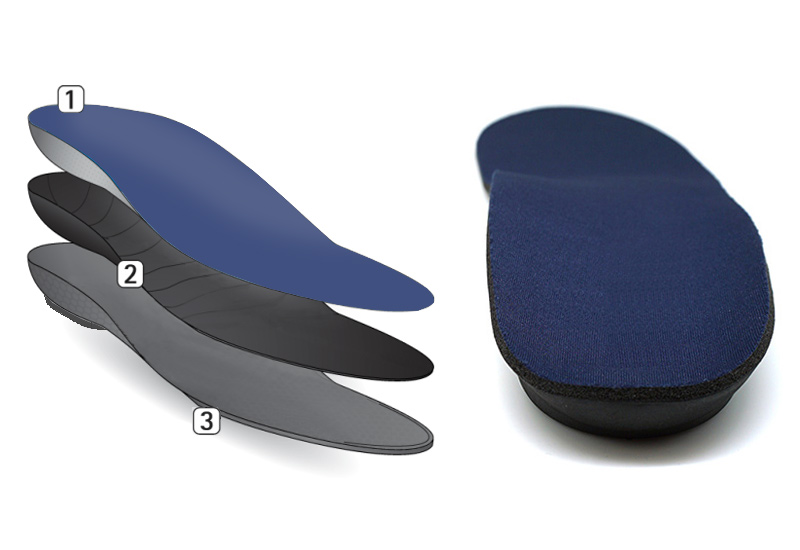
Arch contours, heel cups, support shells, and cushioning layers affect the construction of an insole. Their configuration should be defined by the intended application and the available space within the target shoe.
A thermoplastic shell combined with foam, for example, requires different design considerations from a foam-only construction. Shell profile, material thickness, and layer arrangement should be specified together rather than developed independently.
3.2 Choose Materials According to Their Intended Role
Several materials are commonly used in custom insole development, but each has different characteristics and processing requirements.
- EVA: Commonly used for lightweight foam components and cushioning structures.
- PU: Available in different forms, including foam materials used in cushioning applications.
- TPU: A thermoplastic material used in components with different flexibility and structural requirements.
- PP: Often used for relatively rigid thermoplastic shells.
- PORON: Used in selected cushioning applications, depending on the product specification.
The choice depends on the required physical properties, component design, processing method, and cost target. Buyers should specify the required characteristics rather than assume that a particular material will suit every construction.
3.3 Review Thickness Against the Target Footwear
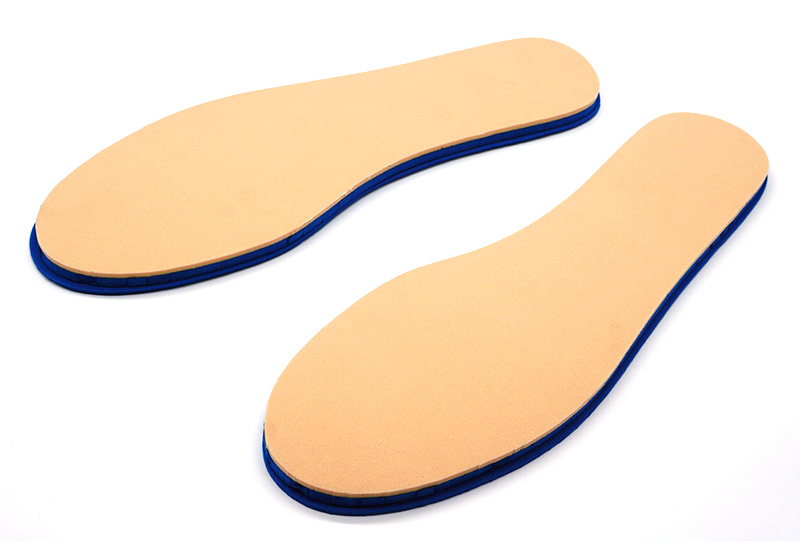
Overall thickness affects the space available inside a shoe. The shell, foam layers, and top cover all contribute to the finished profile, while heel cup height and the shape of the footbed can further affect compatibility.
For projects tied to a specific footwear model, the insole dimensions should be reviewed against the available shoe space. A standalone component may meet its drawing dimensions but still require adjustment when assembled in the intended footwear.
4. Assessing the Commercial Cost of Customization
The quoted unit price is only one part of a custom insole project. Development work, tooling where applicable, additional variants, and ongoing specification management can all affect the total cost of a wholesale program.
4.1 Account for Development Costs and MOQ
Depending on the construction, a project may involve sample development, structural adjustments, or tooling. Buyers should clarify which charges apply and whether they are separate from the bulk production price.
Minimum order quantities also depend on the supplier, material, and manufacturing requirements. Confirm the MOQ for the proposed design rather than relying on the conditions offered for a different product.
The commercial assessment should consider the expected order volume and whether the additional development investment is justified by the intended product range.
4.2 Consider the Cost of Managing More Variants
Different product versions may require separate specifications, sample references, and purchasing records. If these are not maintained properly, similar models can become difficult to distinguish during production and replenishment.
A consistent naming and documentation system helps buyers track size ranges, material combinations, and design revisions. This becomes especially important when several models share a similar appearance but have different internal constructions.
4.3 Compare the Total Cost, Not Just the Unit Price
Quotation comparisons should use the same product specifications, quantities, packaging requirements, and commercial terms. Depending on the project, buyers may also need to account for development fees, inspection, shipping, and the cost of specification changes.
A lower unit price does not necessarily represent a lower total cost if the quoted products differ in materials, construction, or included services. Clarifying these details early makes supplier quotations easier to evaluate.
5. What Buyers Should Confirm Before Approving a Custom Design
A custom project needs a clear technical reference before it moves into bulk production. An approved sample is useful, but written specifications are also necessary to define what the supplier is expected to manufacture.
5.1 Prepare a Complete Product Brief
Buyers should provide the available information on the target footwear, intended application, dimensions, thickness, material requirements, structural features, and size range.
Reference samples and technical drawings can help clarify details that are difficult to communicate in writing. Branding, packaging, labeling, estimated quantities, and any applicable testing requirements should also be included where relevant.
5.2 Record the Approved Specifications
Once a sample has been reviewed, the agreed requirements should be documented. Depending on the design, these may include material details, critical dimensions, size grading, assembly requirements, and acceptance criteria.
This documentation gives the purchasing team and supplier a shared reference. It also reduces reliance on verbal instructions when the order moves from development to production.
5.3 Keep Design Changes Traceable
Changes to material, thickness, structure, or packaging should be reviewed and recorded before they are applied to an order. Even a seemingly minor adjustment may affect the finished product or its compatibility with the target footwear.
Maintaining revision records helps distinguish the current approved version from earlier samples and provides a clearer reference for future orders.
6. Choosing the Right Customization Approach
Wholesale buyers do not always need a completely new design. The appropriate development approach depends on the gap between existing products and the required specifications.
6.1 Modify an Existing Design
When an existing model meets most of the requirements, targeted changes may be sufficient. These could involve selected dimensions, materials, thickness, or branding details.
This approach can reduce unnecessary development work, provided the revised design remains suitable for the intended footwear and manufacturing process.
6.2 Develop a Design from Buyer Specifications
A specification-led project is more suitable when the buyer has defined requirements that cannot be met by an existing model. Drawings, reference samples, and a clear list of essential features help the supplier assess the proposed construction.
Before proceeding, both parties should clarify the expected design scope, sample requirements, and criteria for approving the finished specification.
6.3 Develop a Private-Label Product Range
Private-label projects may require coordinated product specifications, branding, and packaging across several models. Buyers should establish which features will be shared and which will vary between products.
A structured product range is easier to quote, order, and replenish than a collection of loosely defined variations. It also gives the supplier a clearer basis for maintaining consistency across related models.
7. Frequently Asked Questions About Custom Insoles for Shoes
Are Custom Insoles More Expensive Than Standard Insoles?
They may involve additional development or tooling costs, depending on the design. Materials, construction, order quantity, and packaging can also affect the final price. Buyers should compare quotations using equivalent specifications and purchasing conditions.
Can an Existing Insole Design Be Customized?
In many cases, selected features can be adjusted, depending on the existing construction and the supplier’s capabilities. The required changes should be reviewed to determine whether they affect other dimensions or structural features.
What Information Is Needed to Request a Wholesale Quotation?
Useful information includes the target footwear, reference samples or drawings, dimensions, material requirements, size range, estimated order quantity, and packaging details. The more clearly these requirements are defined, the easier it is to assess the project.
How Can Buyers Maintain Consistency Across Repeat Orders?
Maintain a documented specification for each approved model, including relevant materials, dimensions, and revision details. Approved samples and defined acceptance criteria provide additional references for checking subsequent orders.
8. Submit Your Insole Specifications for Project Evaluation
For wholesale programs, the key question is not simply whether an insole can be customized. It is whether the proposed changes are technically appropriate, commercially justified, and practical to maintain across repeat orders.
Ideastep works with orthotic insole and footwear projects requiring defined material and structural specifications. To begin a technical discussion, wholesale buyers and footwear brands can prepare their current product drawings or reference samples, required dimensions, material preferences, target size range, and estimated order volume.
These details provide a starting point for reviewing the requested construction, identifying specifications that need clarification, and determining the next steps for sample development or quotation.
Submit your project requirements to Ideastep for a discussion of your insole specifications and wholesale supply needs.
Related Articles: Custom Orthotic Insoles for Safety Shoes and Work Boots.