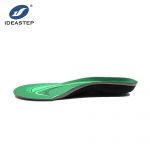
Podiatrists, rehab clinicians, medical distributors and specialty footwear brands know this well. Off‑the‑shelf heat‑moldable inserts only bend to a rough foot impression. Custom molded shoe inserts follow a clinician’s full prescription, built from a refined positive model or edited 3D foot scan. Every curve, support zone and stiffness rating is intentional. Understanding how these orthotics are designed, what materials perform best, and how production runs are managed helps you place better orders, set clear expectations and supply consistent devices your clinical partners can rely on.
Clinical Design That Starts With the Patient’s Biomechanics
Strong custom molded design does not begin with a standard arch shape. It grows from the findings of a full foot assessment: 3D scan data, plaster cast analysis, pressure mapping and gait observations. Your clinical team decides the core geometry: heel cup depth, medial or lateral posting, arch contour, metatarsal relief cutouts and dedicated offloading pockets. These features target specific presentations including plantar fasciitis, flexible flat feet, high‑arch instability, bunion accommodation, metatarsalgia, diabetic pressure reduction and post‑surgical stabilisation.
Footwear compatibility is always factored in during design. Full‑length inserts deliver comprehensive rearfoot and forefoot control. Three‑quarter versions work for slim dress shoes and tight toe boxes. We can carve recessed sections for toe deformities or add extrinsic posting to manage rearfoot tilt. The most successful builds balance firm corrective structure with enough forgiving top‑layer cushion to keep patients wearing the insert daily.
This layered design logic makes custom molded orthotics the natural next step in a tiered care pathway. Your catalog or clinic can use prefabricated inserts as a first intervention, then move to molded devices when basic cushioning fails to resolve persistent symptoms.
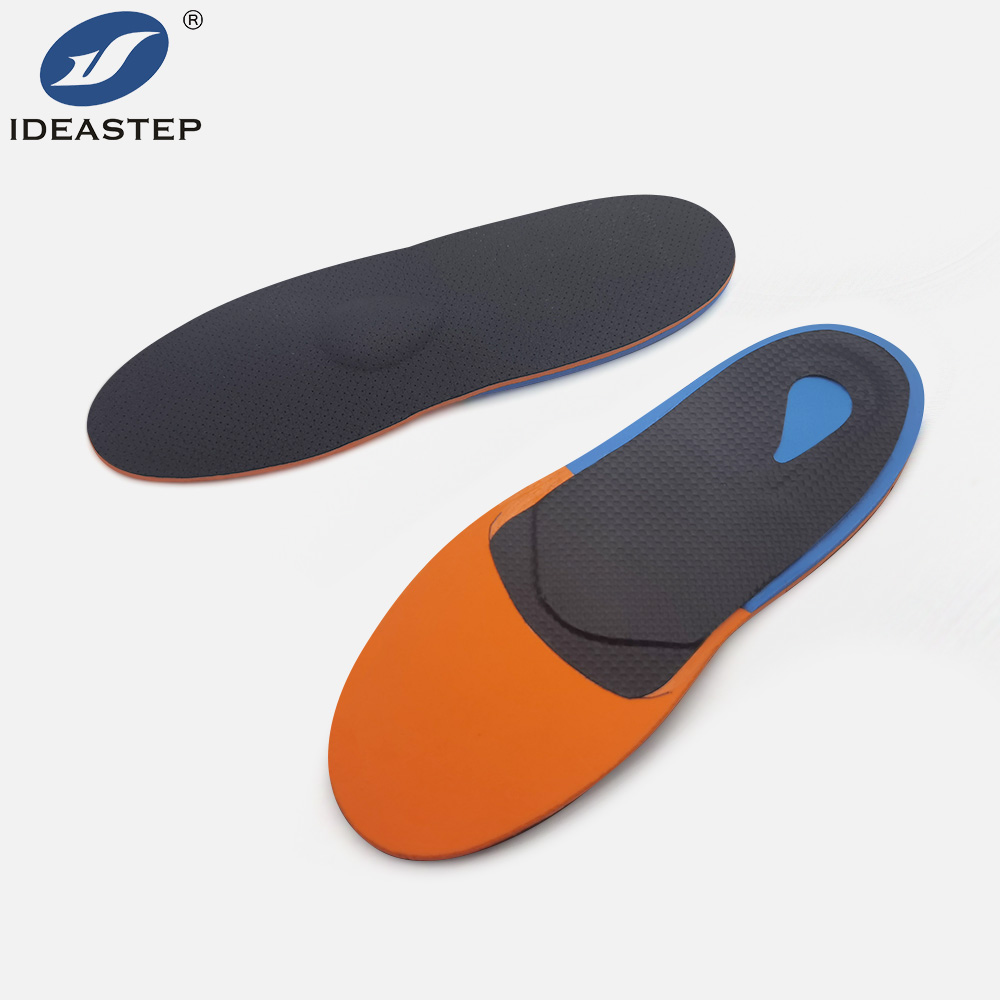
Material Selection Tuned to Clinical Use Cases
Material choice defines support, durability, weight and safety. No single material fits every patient, so we stack and blend layers to match each prescription.
Polypropylene (PP Shell)
Polypropylene is our go‑to rigid base for corrective custom molded inserts. It thermoforms cleanly, holds its shape under repeated loading and stays light. We adjust shell thickness to match low, moderate or high correction requirements. This is the preferred substrate for patients needing stable, long‑term biomechanical control.
EVA
EVA offers outstanding versatility. Different durometer grades let us craft soft accommodative bases, dual‑density hybrid layers or moderate‑support orthotics. It suits active patients, sports orthoses and diabetic builds where cushion and controlled support are equally important. EVA can be milled, laminated or molded to follow intricate foot contours.
Cork
Cork delivers stable, damped support and resists compression over time. It works reliably for heavier patients, people standing all day and runners. Cork‑EVA combinations pair cork’s structural consistency with EVA’s softer shock absorption.
Carbon Fiber
Carbon fiber shells provide high stiffness at minimal thickness. We reserve these for athletic orthotics and cases that demand strong correction inside narrow, low‑profile footwear.
Top Cover Fabrics
Contact layers include memory foam, gel, leather, antimicrobial mesh and conductive cooling textiles. We match the cover to the application: gel for focal pressure relief, breathable mesh for athletic use, antimicrobial fabrics for diabetic and high‑risk foot programs.
Many of our partner prescriptions combine multiple materials. A rigid PP shell forms the corrective base, a medium‑density EVA layer adds comfort, and a moisture‑managing top cover completes the stack.
Production Process: Cast, Scan, Fabricate and Verify
Our workflow stays consistent and auditable, whether the source is a traditional plaster cast or a digital foot scan.
We first generate an accurate positive foot model. Plaster casts are poured and manually refined. Digital scan files are cleaned, aligned and modified to match the written prescription. This digital editing stage is where posting, relief cutouts and offloading zones are programmed into the geometry.
Fabrication follows one of two primary routes: thermoforming or CNC milling. Thermoforming heats thermoplastic sheet and vacuums it over the positive mold, the most efficient method for PP shell orthotics. CNC milling carves solid blocks of EVA, cork or composite material directly to the programmed shape, ideal for complex multi‑material prescriptions and precise cutouts. We also offer 3D printed molded inserts for partners seeking repeatable, lightweight additive manufacturing.
Once shaped, each insert moves to finishing. We trim edges, sand contact surfaces, bond top covers and run a formal quality check. Every finished unit is cross‑referenced against the original prescription for arch height, heel cup alignment, shell thickness and surface finish. Approved inserts receive private labeling, custom packaging and batch traceability documentation as requested.
Secure digital file storage is included for B2B partners. Returning patients or repeat prescriptions can be reproduced from the same validated model. Clinicians can also request targeted adjustments to support changing foot conditions.
Compliance, QC and Flexible OEM / ODM Options
Medical‑grade custom molded shoe inserts require documentation that holds up to clinic audits, insurance billing and regulatory review. Our facility maintains ISO and CE certification. Batch records, material performance reports and conformity documentation are available for every medical order.
We support private label and custom specification runs with low minimum order quantities. Podiatry groups, rehab clinics and footwear brands can brand the orthotics, select packaging and define their own material stacks. Our engineering team can develop exclusive molded profiles if you are building a proprietary orthotic program.
Most distributors we work with cite inconsistent quality as their biggest supplier headache. Variable shell stiffness, rough edge finishing or poorly matched contours create awkward fitting sessions and patient complaints. Our controlled molding and milling routines reduce this variability, so your clinicians can trust every insert to perform as specified.
Who Gains the Most From Custom Molded Shoe Inserts
Custom molded orthotics fit well within the offering of podiatry clinics, physical therapy practices, diabetic foot care programs, orthotic labs and specialty footwear brands. They address pain, gait instability and deformity that off‑the‑shelf products simply cannot manage. For your business, they deliver stronger clinical outcomes, higher perceived value and healthier margins outside crowded comfort insole commodity markets.
Ready to source custom molded shoe inserts for your clinic or product range? Share your common prescription profiles, preferred material stacks and fabrication preference — thermoformed, milled or 3D printed. We can arrange sample builds, walk through MOQ terms and share compliance documentation, plus show you how our workflow connects to your existing casting or scanning setup.
Frequently Asked Questions
How do custom molded inserts differ from heat‑moldable orthotics?
Heat‑moldable inserts soften with heat and take a loose impression of the foot. Custom molded shoe inserts are manufactured from a precise positive model or edited 3D scan. Arch shape, posting, offloading zones and shell stiffness are independently controlled, delivering targeted biomechanical correction rather than passive accommodation.
Can these custom molded inserts carry our clinic or brand label?
Private labeling, custom packaging and patient information inserts are available. OEM and ODM changes are supported for distributors and brands developing their own therapeutic foot lines.
Which production method is right for our orders: thermoforming or CNC milling?
Thermoforming works best for PP shell corrective orthotics at higher volumes. CNC milling offers finer control for complex multi‑material builds, custom relief cutouts and hybrid EVA‑cork designs. Our team will advise based on your typical prescription mix.
Are custom molded inserts appropriate for diabetic foot care pathways?
Yes. We design low‑pressure, accommodative molded builds for at‑risk diabetic feet, paired with suitable top materials and full documentation for audit and billing workflows.
Will you store patient scan files for future reorders?
Digital foot models are held securely for authorised B2B partners. This streamlines repeat orders and minor design revisions for ongoing patient care.