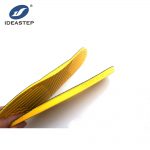
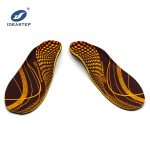
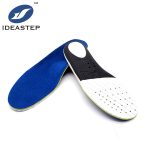
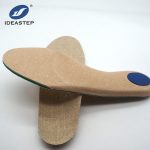
For orthopaedic footwear suppliers, insole branding needs to be considered alongside material selection and product construction. The logo must suit the surface, remain clear at the selected size, and meet the brand’s requirements for bulk production.
For wholesalers and private-label brands, the main considerations are straightforward: which printing method works with the insole material, how the logo will look on different models, and whether the approved finish can be maintained across repeat orders.
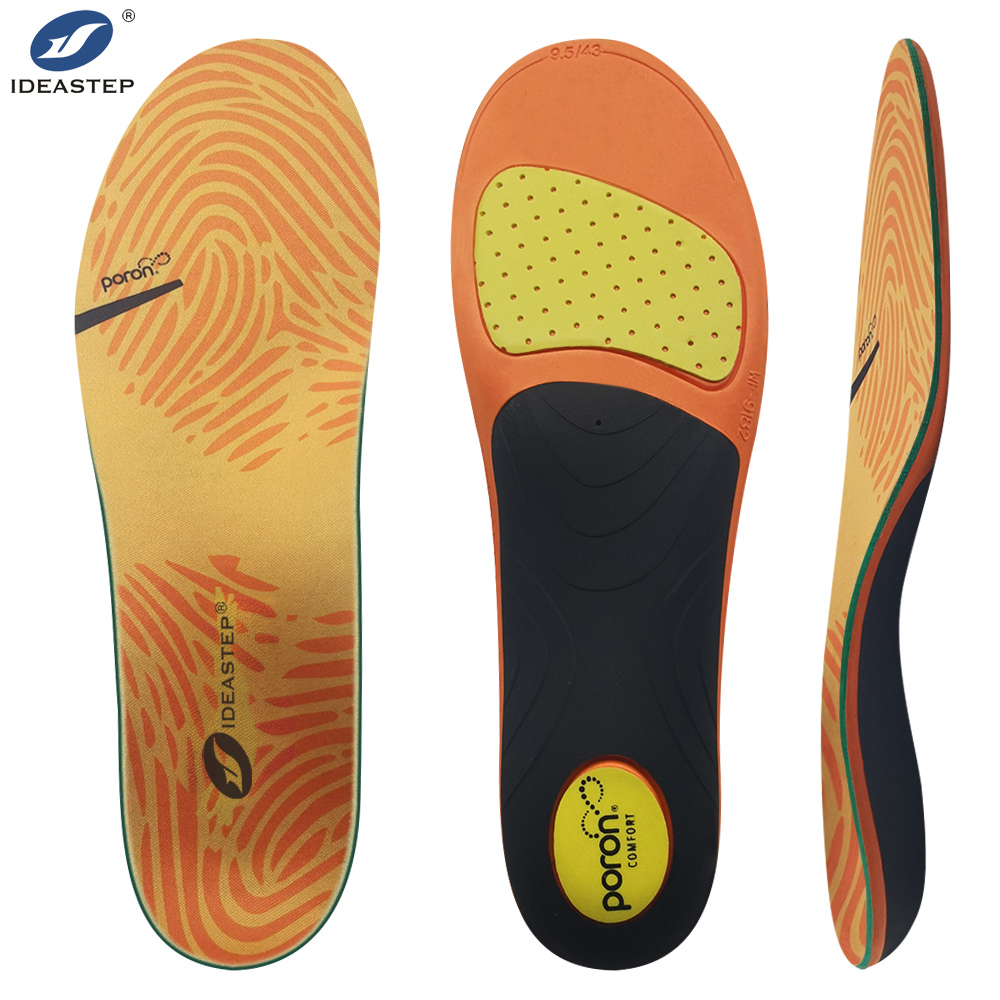
Branding Options for Orthotic Insoles
The available branding area depends on the insole shape, surface material, and overall construction. Common locations include the heel, arch area, top cover, and selected exposed sections of the base.
Top cover branding is suitable for many fabric- and microfiber-covered insoles. Logo placement should account for the surface texture, available space, and shape of the finished product.
Heel-area branding offers a practical option for product lines that need a consistent logo position across multiple models. The size and placement may need adjustment for full-length and three-quarter-length designs.
Base or side branding may be possible on products with suitable exposed surfaces. However, the material, surface finish, and construction determine whether the logo can be applied clearly and consistently.
For suppliers sourcing several insole models, it is worth establishing a standard logo layout at the development stage. This keeps the range visually consistent while allowing for necessary adjustments between product shapes.
Choosing a Printing Method
The right printing method depends on the insole surface, artwork, color requirements, order quantity, and production process. A method suitable for one material may not produce the same result on another.
Screen Printing
Screen printing can suit logos with defined shapes and relatively simple color requirements. It may be appropriate for compatible fabric surfaces and other materials that provide a suitable printing base.
Before confirming the method, check the logo’s edge definition, color coverage, and adhesion on the actual material. Textured fabrics and uneven surfaces can affect the result, particularly when the artwork contains small lettering or fine lines.
Heat Transfer Printing
Heat transfer printing can reproduce detailed graphics and multicolor designs on compatible surfaces. It may be worth considering when a private-label range requires a more detailed visual identity.
The transfer material and application conditions must suit the insole construction. Heat and pressure can affect some foam and fabric materials, so sample testing is important before bulk production.
Direct Printing
Direct printing may be suitable for certain smooth or specially prepared surfaces. Its feasibility depends on the material, surface treatment, ink compatibility, and available production equipment.
Buyers should confirm the expected print quality and adhesion using the selected material rather than relying on a digital mock-up. The final method should be chosen according to the production requirements of the complete insole, not appearance alone.
How Insole Materials Affect Branding
Material selection influences logo clarity, color appearance, and the range of printing methods available.
EVA foam: EVA is widely used in orthotic and cushioning insoles, but surface finish and texture vary by formulation and processing. Buyers should provide the material specification or a reference sample so the manufacturer can assess print compatibility.
Fabric and microfiber covers: These surfaces offer space for visible branding, although the weave, pile, and texture can affect fine details. Small text and intricate logos should be reviewed during sampling.
PU foam: PU materials vary in composition and surface characteristics. The suitable branding method depends on the finished surface and how it responds to the selected printing process.
Multi-layer constructions: Insoles combining fabric covers, foam layers, and support components require branding to be planned around the full structure. The process should not interfere with bonding, trimming, or other manufacturing steps.
For OEM/ODM projects, confirming the material and branding method together can help avoid unnecessary changes after sampling has started.
Preparing Logo Artwork for Production
Clear artwork and placement instructions make it easier to assess feasibility and prepare an accurate sample. Complex graphics may need adjustment if the logo is too small or the selected surface cannot reproduce fine details reliably.
When requesting a quotation or sample, buyers should provide:
- Logo artwork: A vector file is preferred where available.
- Logo dimensions: Specify the intended width and height.
- Placement: Mark the position on a product drawing or reference image.
- Color requirements: Provide brand color references and identify any colors that require close matching.
- Insole specifications: Include the model, material, surface finish, and size range.
- Packaging requirements: Specify any logo, label, or branding requirements for retail packaging and outer cartons.
If the brand already has an approved insole, a physical sample can help the manufacturer assess the required position, scale, and finish. This is particularly useful when the new product uses a different material or construction.
Maintaining Brand Consistency Across Product Lines
Suppliers often source several insole models with different shapes, thicknesses, and top-cover materials. Using the same logo across the range is possible, but the placement and dimensions may need to vary to suit each design.
A full-length EVA insole, for example, may have a different available branding area from a slim three-quarter-length model. A fabric-covered product may also require a different printing method from one with an exposed foam surface.
To keep production specifications clear, document the approved artwork, logo dimensions, placement, color references, and acceptable print appearance for each model. Where adjustments are necessary, record them as part of the individual product specification.
This gives the purchasing team and manufacturer a common reference for new orders, inspections, and repeat production.
Sample Approval and Bulk Production
The branding sample should be reviewed together with the insole itself. A logo may look acceptable on a separate material swatch but produce a different result on the finished product.
Before approving a sample, check:
- Logo position, alignment, and dimensions
- Print clarity and color appearance
- Adhesion to the selected surface
- Consistency across the required size range
- Compatibility with the finished insole construction
- Compliance with the agreed appearance requirements
Once approved, retain the sample and document the specifications used to produce it. Changes to the material, top cover, artwork, or printing process should be reviewed before they are introduced into bulk production.
For repeat orders, clear inspection criteria help both parties assess whether the finished products match the approved standard. This is especially important for suppliers managing multiple models or ordering the same products at different times.
What Determines the Cost of Custom Printed Insoles?
Branding costs depend on the printing method, artwork complexity, material compatibility, order quantity, and any setup or preparation requirements.
A simple logo on a compatible surface may require less preparation than a detailed multicolor design. Small orders may also carry a higher unit cost when setup expenses are spread across fewer pieces.
For a more useful quotation, provide the manufacturer with the insole specifications, logo artwork, preferred placement, estimated order quantity, and packaging requirements. If the design is still being developed, ask about material compatibility and potential setup costs before finalizing the order.
Comparing quotations against the same specifications makes it easier to evaluate the actual cost of the finished product, rather than looking at the printing price alone.
Working With an Orthotic Insole Manufacturer
For orthopaedic footwear suppliers, branding should be evaluated alongside product development, material sourcing, and production planning. This becomes more important when an insole combines multiple foam layers, fabric covers, and structural support components.
Ideastep supplies orthotic insoles and EVA materials for wholesale and OEM/ODM projects. Buyers developing private-label products can share their logo artwork, material requirements, reference samples, and estimated order quantities to discuss suitable branding methods and production details.
Confirming these requirements before sampling helps establish a clear basis for product approval, cost evaluation, and repeat orders.
Frequently Asked Questions
Can the same logo be used on different insole models?
Yes. The same artwork can often be used across a product range, although the logo size, position, or printing method may need to change according to the material and available surface area.
What should buyers provide for custom insole branding?
Provide the logo file, preferred dimensions and position, color references, insole specifications, estimated order quantity, and packaging requirements. A physical reference sample is also useful when matching an existing product.
Does the printing method depend on the insole material?
Yes. Surface texture, material composition, and construction affect print clarity and adhesion. The selected method should be checked on a sample made with the intended production materials.
Why should branding be approved before bulk production?
Sample approval confirms that the logo, material, placement, and finish meet the agreed requirements. The approved sample and documented specifications then provide a reference for production inspection and repeat orders.
Discuss Your Insole Branding Requirements
For wholesale and private-label projects, start with the insole model, material specifications, logo artwork, and expected order quantity. These details help the manufacturer assess suitable printing options, identify potential production constraints, and prepare a sample for review before bulk manufacturing.