Are Orthotic Insoles Effective?
Orthopedic shoes help manage abnormal foot movement and provide additional support. Many models feature removable footbeds, allowing users to replace them with suitable orthotic insoles. When selecting footwear for orthotic use, look for durable materials that offer grip and stability. Thin memory foam alone may not provide enough structure for specific support needs.
People with persistent arch or heel pain may benefit from orthotic insoles that support the foot. However, orthotics do not address every underlying cause of pain. Their effectiveness depends on the condition, the design of the device, and how well it fits the shoe. For the best fit, check whether the orthotic sits securely on the shoe’s footbed or midsole, as the product design requires.
Can Orthotic Insoles Help Prevent Injuries?
Research suggests that arch supports and orthotics may help some people manage repetitive stress during activities such as jogging, marching, kicking, and running. However, results vary by individual and injury type. Arch support alone does not guarantee injury prevention. If poor foot alignment contributes to persistent foot or lower-limb pain, consult a healthcare professional. They can assess the cause and determine whether orthotics or other treatments may help.
One study reported 40 injuries in the group without orthotics (26.1%) and 27 injuries in the group using orthotics (17.6%). Although the study did not specifically examine flat feet or foot pain, the results suggest that orthotic support may help reduce certain injuries in some populations. Runners and walkers often experience repetitive stress injuries, which can prove difficult to manage. Therefore, many people consider orthotics as part of a broader approach to foot care.
What Do Medical Professionals Say About Orthotics?
Medical professionals hold different views on the effectiveness of orthotics for pain relief and injury prevention. Benno Nigg, Professor of Biomechanics and Co-Director of the Human Performance Laboratory at the University of Calgary in Alberta, has discussed the uncertainty surrounding their benefits. Although orthotics do not work for everyone, research suggests that they may help manage certain foot and lower-limb conditions.
Podiatrists can also recommend other treatment options based on each patient’s needs. For example, they may suggest custom-made orthotics when over-the-counter insoles fail to provide sufficient support or when a patient has a more complex foot condition. As with any treatment, orthotics may not produce the desired results in every case.
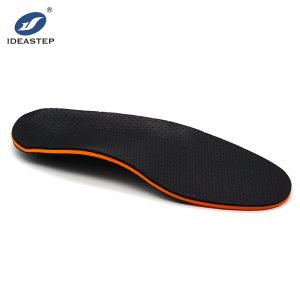
What Are Custom Foot and Ankle Orthotics?
A custom foot and ankle orthosis is a medical device that fits inside a shoe to help manage abnormal or uneven walking patterns. Healthcare professionals may recommend custom orthotics for conditions involving abnormal foot movement, plantar fasciitis, or persistent heel discomfort. Depending on the patient’s condition, orthotics may also help redistribute pressure around painful calluses or diabetic foot ulcers. A suitable design follows the contours of the foot to provide targeted support and improve comfort.
Custom orthotics, also known as shoe inserts or arch supports, address specific support requirements. They can help support the arch, reduce pressure around the heel, and accommodate certain toe joint abnormalities. In contrast, mass-produced shoe insoles generally follow standard shapes and sizes. Custom orthotics allow a specialist to tailor the design to the individual’s foot structure and functional needs.
Custom Orthotics vs. Over-the-Counter Insoles
Over-the-counter insoles may suit people with common support needs and no complex foot conditions. However, people with flat feet or other specific biomechanical concerns may need a more individualized solution. Custom orthotics accommodate the unique contours and dimensions of the foot. A qualified professional can assess whether standard insoles provide enough support or whether a custom design would be more appropriate.
How Much Do Custom Orthotics Cost?
Before purchasing custom orthotics, check whether your health insurance covers the cost. Coverage varies by plan, provider, and medical necessity. If your policy includes orthotics, you may still need to pay part of the expense. Although custom devices often cost more upfront than over-the-counter alternatives, their durability and suitability may offer long-term value in some cases.
The cost also reflects the assessment process, not just the physical device. A thorough evaluation helps identify existing problems, consider future support needs, and guide treatment decisions. For example, after an injury, a podiatrist may discuss the potential benefits and limitations of continued orthotic use. Some patients may later reduce or stop using their devices under professional guidance, depending on their recovery and symptoms.
When Should You Consider Orthotic Treatment?
Orthotics may form part of a treatment plan for conditions such as Achilles tendinopathy, plantar fasciitis, arch pain, heel pain, and other problems involving lower-limb mechanics. However, a qualified podiatrist should assess the patient’s overall condition before recommending custom orthotic inserts. The evaluation should consider symptoms, foot structure, activity level, footwear, and other relevant factors. This approach helps determine whether custom orthotics offer suitable support.
Who Can Help You Choose Custom Orthotics?
Different healthcare professionals have different areas of expertise. Podiatrists and other qualified clinicians assess foot structure, movement, and related conditions to guide treatment decisions. Their training helps them determine whether orthotics may benefit a patient and which design may suit the patient’s needs.
Some physiotherapists and chiropractors also provide orthotic services. Depending on their process, they may take a foam impression or collect other measurements, document the required insole features, and send the information to a manufacturer. Some providers work with third-party suppliers to produce the finished devices. Because assessment methods and professional qualifications vary, patients should ask how the provider evaluates foot function and selects an appropriate orthotic design.
Why Does Proper Fit Matter?
Consider a patient who visits a clinic with heel pain and a pair of custom-made orthotics. The clinician should check the device’s shape, fit, and comfort before recommending continued use. A well-designed orthotic should fit the patient’s foot and work with the intended footwear. If the insert requires more space than the shoe provides, the device may fit poorly and cause discomfort. In some cases, the patient may need footwear with a different shape or a larger internal volume.
Are Custom Orthotics Worth the Investment?
Some people hesitate to consider orthotics because they expect a high price. However, the actual cost depends on the device, assessment process, provider, and insurance coverage. Rather than judging the price alone, consider the potential benefits, expected durability, and suitability for your condition. A well-matched orthotic may support long-term foot care, although results vary from person to person.
Orthotics remain one possible option for managing certain foot and lower-limb problems. Some theories suggest that they correct skeletal alignment, but evidence does not fully support that explanation. Benno Nigg has proposed that orthotics may influence muscle activity rather than directly repositioning bones. This distinction highlights the importance of understanding how orthotics work and selecting them according to individual needs.