A well-designed insole needs to balance cushioning, support, durability, and the limited space inside the shoe. Combining EVA with gel offers a practical way to add cushioning while keeping the main structure of the insole lightweight and easy to shape.
EVA insole gel constructions are suitable for comfort footwear, work shoes, sports footwear, and everyday shoes. For OEM and wholesale production, the EVA base, gel placement, thickness, shape, and top cover can be developed around the requirements of the finished footwear.
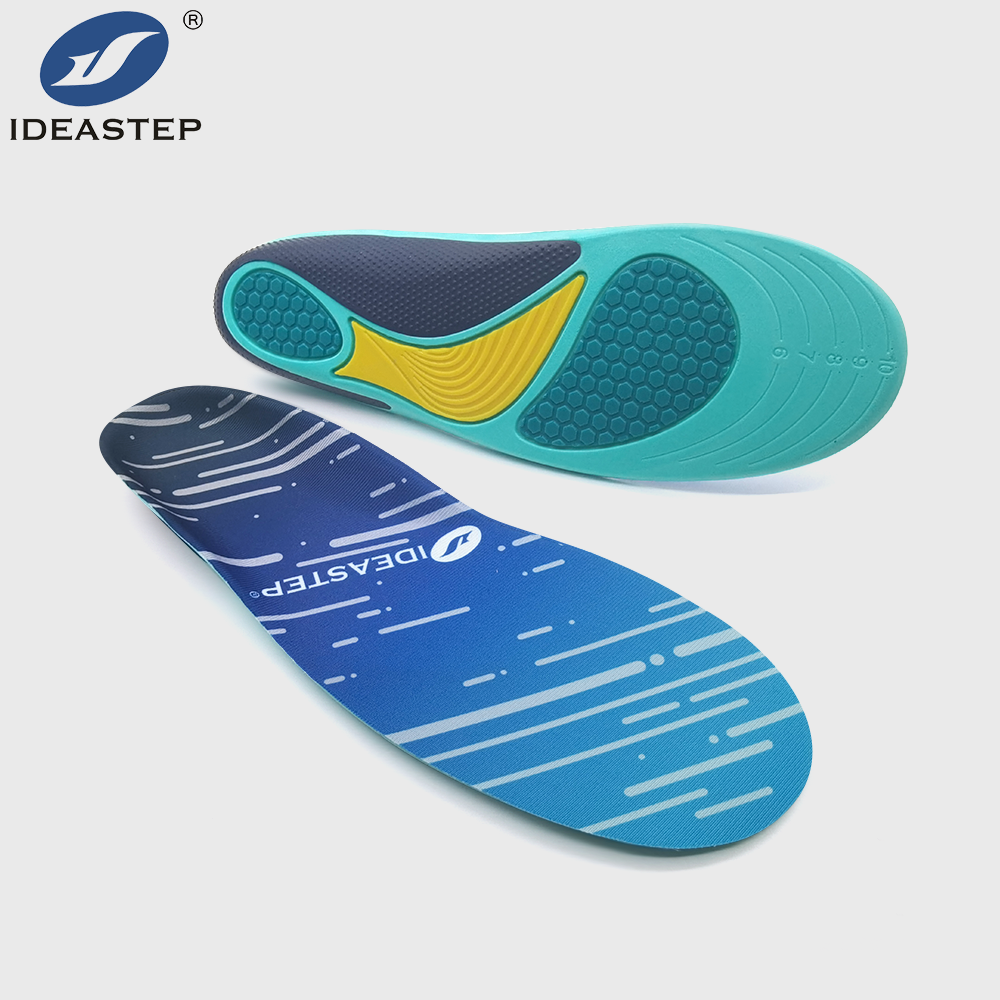
EVA and Gel: Different Materials, Different Roles
EVA is typically used as the main body of the insole. It is lightweight and available in different hardness and density levels, making it suitable for different cushioning and support requirements.
Gel is usually added to selected areas rather than used throughout the entire insole. Heel and forefoot zones are common choices because these areas may require additional cushioning. This construction keeps the insole manageable in thickness while adding cushioning where it matters.
The result is a layered design in which EVA provides the main structure and gel serves a more targeted cushioning function.
Getting the Structure Right
Material selection is only part of the development process. The thickness, shape, arch profile, heel structure, and position of the gel all affect the finished insole.
A softer EVA base may suit a comfort-focused product, while a firmer specification can provide a more structured foundation for work or sports footwear. Gel placement can also be adjusted according to the intended use.
Thickness deserves particular attention. Adding material does not always improve the product. If the insole takes up too much space, it can affect the fit of the footwear. For this reason, prototypes should be checked inside the target shoe before the final design is confirmed.
Custom EVA Gel Insoles for OEM
OEM development can start with an existing sample, technical drawing, CAD file, or a set of product requirements. The design can then be adapted to the intended footwear and production specifications.
Typical specifications include:
- EVA hardness and density
- Gel type and placement
- Overall thickness
- Arch and heel structure
- Cushioning zones
- Top-cover material
- Size and shape
- Logo and branding details
- Packaging requirements
Using a defined specification also makes it easier to develop different sizes or product versions while keeping the basic construction consistent.
From Sample Approval to Bulk Production
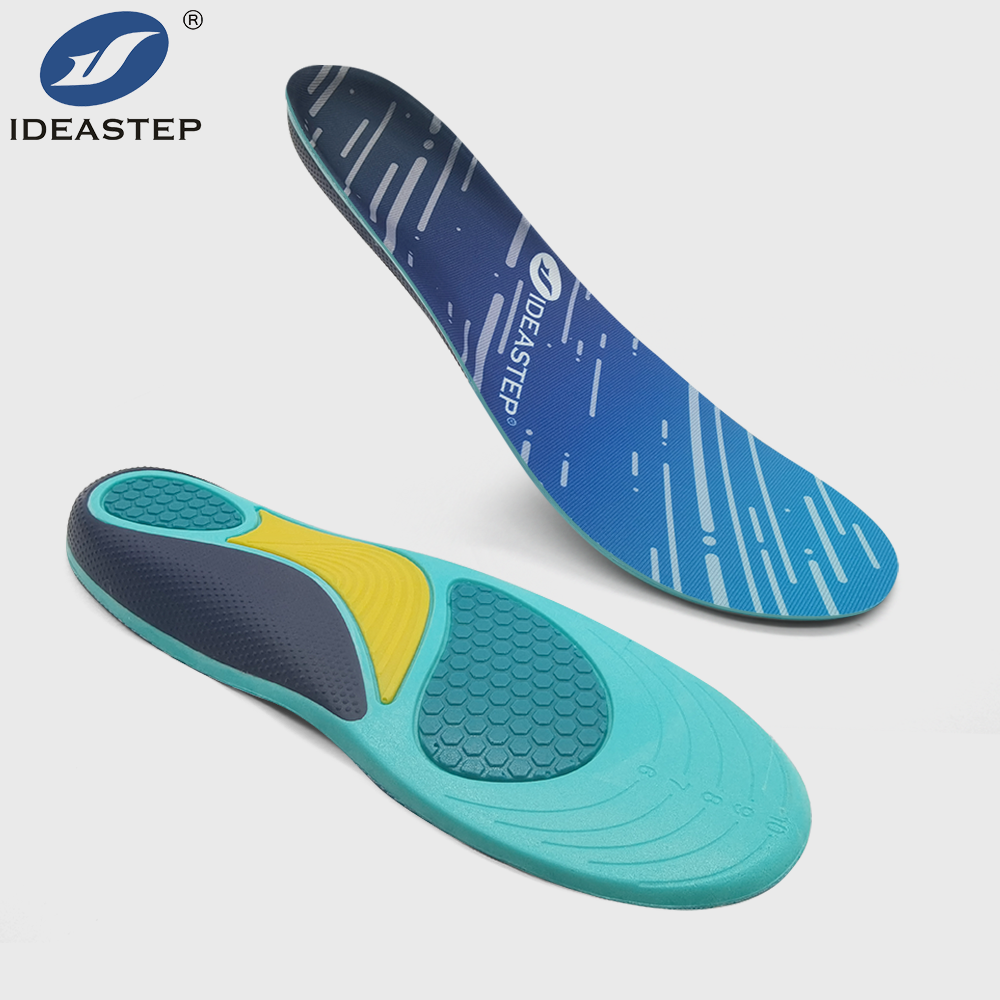
Before a wholesale order goes into production, the sample should be checked for size, thickness, fit, appearance, material combination, and gel position.
Once the sample is approved, the confirmed specifications become the reference for production. This is especially important for private-label and repeat orders, where consistency between batches matters.
Applications for EVA Gel Insoles
EVA and gel constructions can be adapted to a range of footwear, including:
- Comfort footwear
- Work footwear
- Sports footwear
- Walking shoes
- Casual shoes
- Private-label footwear
The final construction should be based on the available space inside the shoe, cushioning requirements, support structure, material specifications, and target cost.
EVA Insole Gel Solutions for Wholesale
For B2B buyers, a good insole is not simply one with more cushioning. The EVA base, gel placement, thickness, support structure, and top cover need to work together and remain practical for production.
If you are looking for EVA insole gel solutions for OEM or wholesale production, send us your sample, drawing, or product requirements. We can discuss the material combination, construction, and sampling process before moving to bulk production.
Related Articles:
Gel Cushion Shoe Inserts: Enhancing Footwear Comfort with Advanced Cushioning Design
Ideastep gel insoles boots manufacturers for hiking shoes maker