Most private label orthotic delays and inconsistencies stem from incomplete, ambiguous technical briefs. Brand holders, clinic networks and medical distributors rely on a structured specification workflow to lock geometry, material stacks, tolerances and compliance before sampling and bulk production. This article details the technical and commercial framework for defining custom foot inserts for private label programs.
Base Application and Fit Boundaries
Specification work begins with defining operating parameters. Buyers document target footwear type, internal cavity dimensions and intended clinical or functional use. A profile engineered for safety footwear will not directly translate to slim dress shoes or cycling cleat systems.
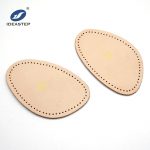
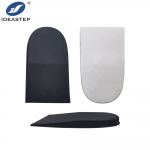
This stage also defines insert length: full-length, three-quarter, sulcus or heel-only. Grading rules dictate how arch height, heel cup depth and forefoot relief scale across the full size run. Without formal grading logic, each size becomes an isolated adjustment, undermining batch consistency.
Reference assets anchor alignment: shoe lasts, benchmark insoles, scan datasets or 2D engineering drawings. These eliminate subjective interpretation between buyer and manufacturer.
Biomechanical Geometry and Structural Parameters
Geometry forms the core technical requirement. Controlled features include arch contour, heel cup depth and wall angle, rearfoot posting, metatarsal cutouts and forefoot flexibility zones.
Every feature carries defined dimensional tolerances. Therapeutic private label lines require tighter limits for arch height and heel seating than standard comfort inserts. Features such as medial skives, lateral flares and recessed pressure relief zones must be dimensioned, not described in vague terms.
Stiffness targets are quantified. Identical arch geometry performs differently with thin carbon fiber shells versus thicker polypropylene bases. Measured stiffness values, not subjective labels like “firm” or “soft”, serve as acceptance criteria.
Layer Stack and Material Grade Specifications
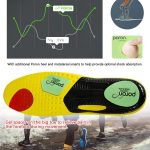
Each layer in the stack requires formal material designation: structural shell, cushion substrate, adhesive, top cover and optional auxiliary pads such as PORON metatarsal or heel cushions.
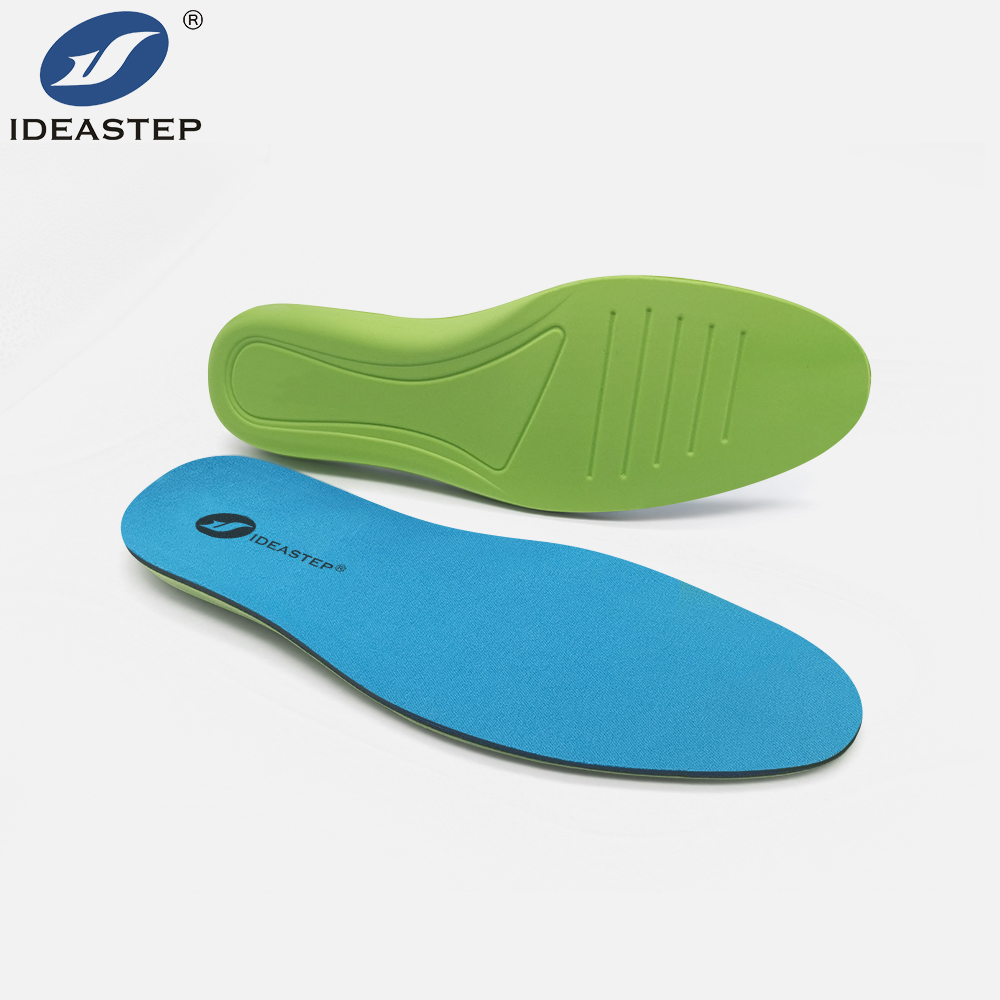
Specifications capture grade, density, Shore hardness, individual layer thickness and lamination sequence. Carbon fiber, PP, TPU, multi-density EVA, cork and high-rebound PU each carry distinct performance and cost tradeoffs. Top covers are defined by fabric construction, perforation, antimicrobial treatment, color fastness and slip resistance.
Adhesive selection is often overlooked. Bond formulations must match paired materials and pass peel testing to prevent delamination under sustained load. All raw materials link to batch traceability and material certificates.
Branding, Marking and Finishing Details
Private label marking is a controlled technical feature, not cosmetic add-on. The brief specifies method: surface print, emboss, deboss, woven label or underside laser marking. It also locks artwork placement, minimum line weight, ink grade and abrasion resistance requirements.
Edge finish, trimming tolerance and surface treatment complete this section. Radius edges are critical for clinical orthotics to avoid pressure injury risk. Trimming guides for in-clinic adjustment are included where applicable.
Quality Acceptance and Test Protocols
A complete specification includes clear pass‑fail criteria. Standard checks cover dimensional accuracy, static stiffness, peel strength, compression set, visual defects and bond integrity.
For medical-grade private label lines, buyers define required third-party tests: REACH screening, heavy metal limits, skin irritation and biocompatibility where applicable. Acceptable quality limits and sampling plans are agreed before production starts.
This protocol prevents performance drift between the signed golden sample and subsequent batches. All inspection records reference the active spec revision.
Packaging, Labeling and Regulatory Text
Packaging and labeling carry both commercial and regulatory obligations. Buyers define unit packaging, master carton layout, palletisation rules and lot coding format.
Regulatory statements, warnings, intended-use language and certification marks must be finalised for the target market. The private label brand retains accountability for marketing claims, even with outsourced manufacturing. Label layouts are approved alongside pre-production samples.
Commercial and Sampling Governance
Specification documents maintain revision control. Any change to geometry, material or marking triggers a new revision and fresh sample approval. This blocks unauthorised factory adjustments that alter clinical performance.
The brief also clarifies variant-level MOQs, sampling fees, tooling ownership and reorder lead times. Shared moulds and common material stacks reduce cost and complexity for multi-SKU private label ranges.
Closing Notes
A rigorous specification converts a subjective custom insert into a repeatable private label product. Well-defined geometry, material calls, tolerances and test standards preserve clinical performance, brand consistency and audit readiness.
If you launch or revise a private label orthotic line, we can develop formal specification packages, run controlled sampling and maintain consistent production across your full size and variant range.
Related Reading:
Design Options and Material Choices for Quality Custom Foot Inserts
How Custom Foot Inserts Support Your Clinic and Brand Product Lines