
High-Quality EVA Insoles for Improving Shoe Comfort: Cushioning, Support, and Durability Explained
Whether it’s a busy morning commute, a post-work run, or a weekend walk in the park, comfortable shoes can make every step easier. In reality, the key factor behind footwear comfort is often not the shoe itself, but the insole inside. In recent years, high-quality EVA (Ethylene Vinyl Acetate) foam insoles have become one of the most popular solutions for improving shoe comfort due to their lightweight structure, cushioning performance, and reliable support. This article explores how EVA insoles work, their core benefits, and how they enhance overall foot comfort in everyday use.
What Is EVA Foam Material?
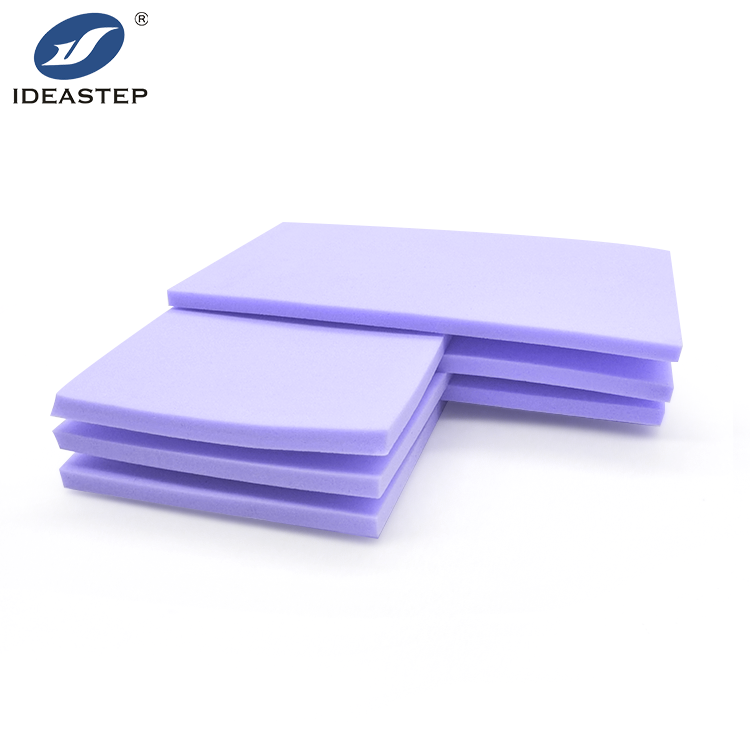
EVA (Ethylene Vinyl Acetate) is a lightweight, flexible polymer material widely used in footwear applications. Compared with traditional insole materials such as PU (polyurethane) or rubber, EVA offers a better balance between softness, elasticity, and shock absorption. It is designed to reduce foot impact while maintaining durability over time.
One of the key advantages of EVA is its closed-cell foam structure, which helps distribute pressure evenly across the foot. This makes walking, standing, or running feel significantly less stressful on joints and muscles. In addition, high-quality EVA materials are often recyclable and comply with modern environmental standards, making them a preferred choice for sustainable footwear production.
Key Features of High-Quality EVA Insoles
1. Superior Cushioning Performance
The most important function of EVA insoles is shock absorption. The foam structure compresses under pressure and rebounds quickly, helping to absorb impact forces generated during walking or running. This reduces strain on the heel, arch, and forefoot, especially during long hours of standing or continuous movement.
2. Arch Support and Foot Stability
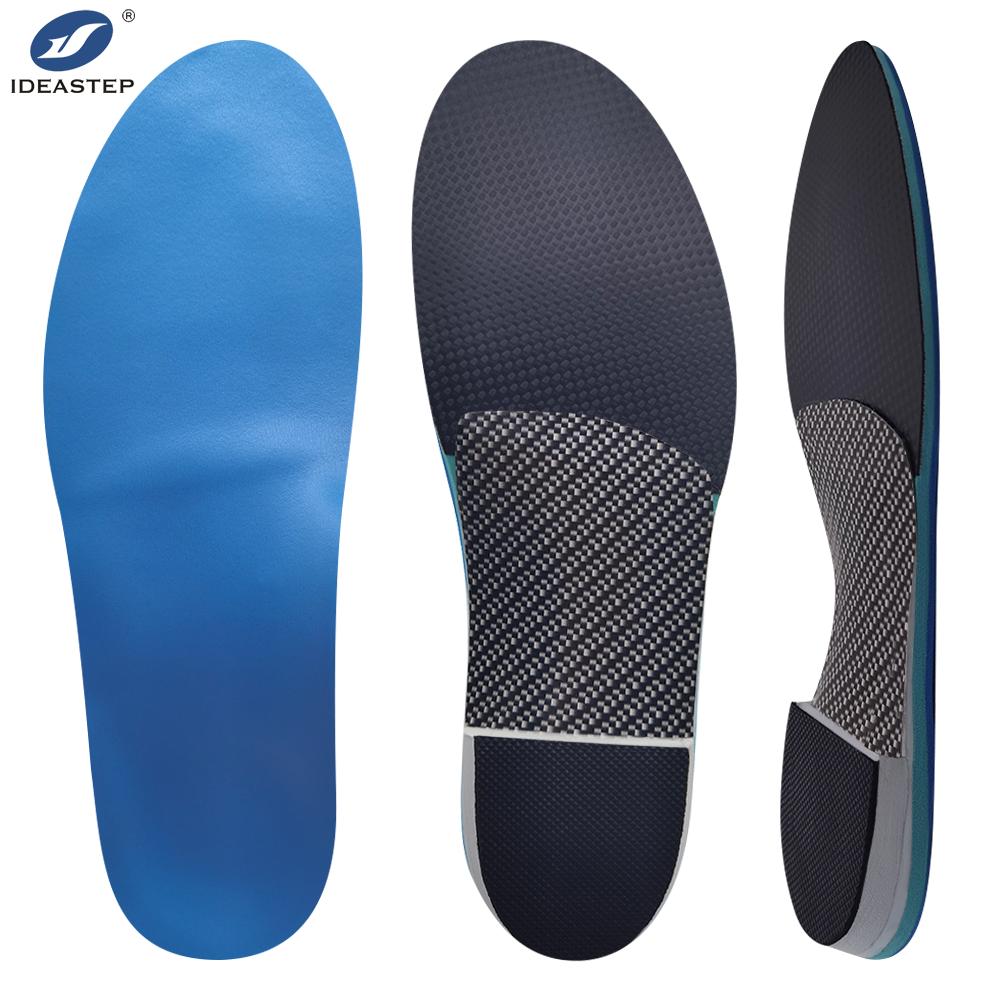
High-quality EVA insoles are often designed with ergonomic arch support to improve foot alignment. Proper support helps distribute body weight more evenly and reduces pressure on the knees and lower back. For individuals with flat feet or high arches, EVA insoles can significantly improve walking stability and overall comfort.
3. Long-Lasting Durability
Unlike low-density foam materials that collapse over time, high-density EVA maintains its structure and elasticity even after extended use. This ensures that the cushioning effect does not degrade quickly, making the insoles suitable for daily wear, including 8–10 hours of continuous use.
4. Breathability and Moisture Control
Comfort is not only about softness but also about dryness. EVA insoles often feature a porous design that allows air circulation inside the shoe. This helps reduce heat buildup and moisture accumulation, keeping feet dry and minimizing odor during long periods of wear.
5. Lightweight Design
One of EVA’s most appreciated advantages is its extremely low weight. Even when used in thicker insole designs, EVA does not add noticeable weight to the shoe. This makes it ideal for athletic shoes, walking shoes, and daily footwear where fatigue reduction is important.
How EVA Insoles Improve Overall Shoe Comfort
EVA insoles enhance shoe comfort through a combination of mechanical and ergonomic benefits. First, they reduce impact forces generated from ground contact, which protects joints and soft tissues. Second, they help stabilize the foot by supporting the arch and improving alignment during movement.
In addition, EVA’s cushioning structure reduces localized pressure points, which often cause discomfort during long hours of walking or standing. At the same time, its breathable design improves internal shoe climate, preventing overheating and moisture buildup. Together, these factors create a more balanced and comfortable wearing experience throughout the day.
Applications of EVA Insoles
Due to their versatility, EVA insoles are widely used across different types of footwear:
- Running and sports shoes: Reduce impact forces and protect knees and ankles during high-intensity movement.
- Casual and daily shoes: Provide lightweight comfort for long hours of walking or commuting.
- Business and dress shoes: Improve comfort during long standing meetings or office use.
- Safety and work boots: Reduce foot fatigue in industrial or construction environments.
- Orthopedic and recovery footwear: Support foot correction and rehabilitation needs.
How to Choose and Maintain EVA Insoles
Selecting the right EVA insole requires attention to material density, thickness, and compatibility with the shoe type. High-density EVA generally provides better support and longer durability, while softer EVA is preferred for enhanced comfort in casual use. It is also important to ensure proper fit, as poorly matched insoles may reduce overall effectiveness.
For maintenance, EVA insoles should be cleaned regularly using mild soap and lukewarm water. High heat drying should be avoided, as excessive temperature may affect material structure. In general, replacing insoles every 6 to 12 months is recommended to maintain optimal cushioning and support performance.
Conclusion
High-quality EVA foam insoles play a crucial role in improving overall shoe comfort. With their strong shock absorption, ergonomic support, long-lasting durability, and breathable structure, they provide a balanced solution for everyday footwear needs. Whether for work, sports, or daily walking, EVA insoles help reduce foot fatigue and improve overall posture and stability.
Investing in a quality EVA insole is essentially an investment in long-term foot health. By choosing the right insole, every step becomes lighter, more stable, and significantly more comfortable throughout the day.
If you want to learn more about EVA insoles, check here: https://www.aideastep.com/eva-insole-2/