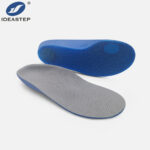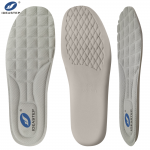
EVA (Ethylene Vinyl Acetate) foam is widely used in footwear, orthotic insoles, sports equipment, packaging, and industrial cushioning products. Because of its lightweight structure, durability, and cost efficiency, it has become one of the most common foam materials in global manufacturing.
At the same time, however, growing attention to sustainability has raised an important question: is EVA material eco friendly?
The answer is not completely straightforward. EVA has both environmental advantages and limitations, and its overall impact depends largely on how it is designed, produced, and managed throughout its lifecycle.
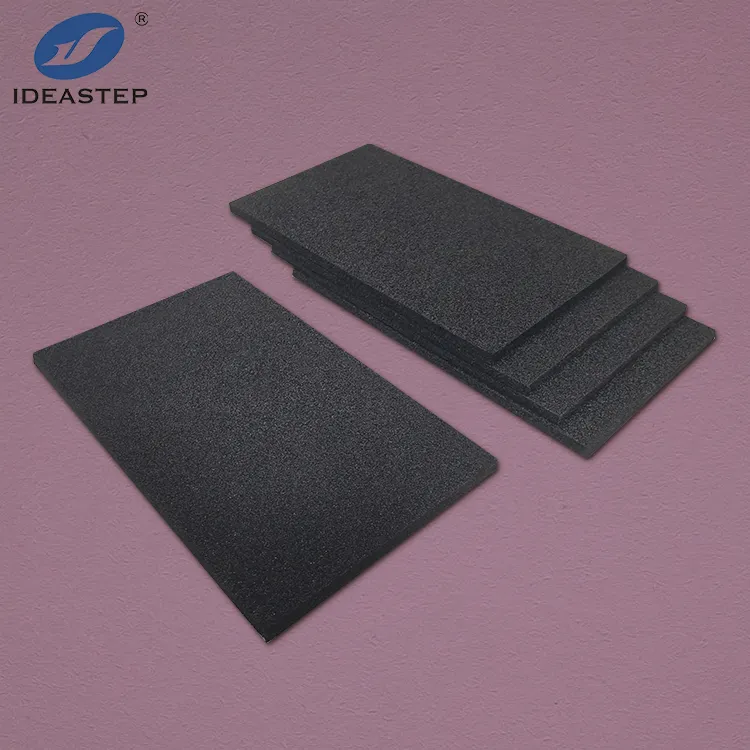
What Is EVA Foam Made Of?
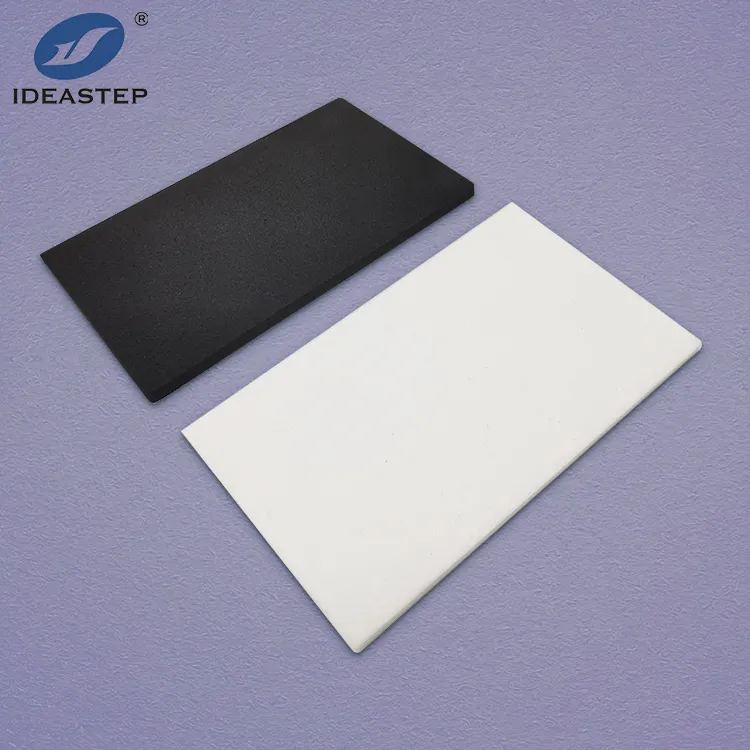
EVA (Ethylene Vinyl Acetate) is a petroleum-based copolymer made from ethylene and vinyl acetate. Through foaming processes, it is transformed into a lightweight, flexible material with cushioning properties.
In industrial applications, EVA foam is typically engineered with:
- Different density levels
- Adjustable hardness grades
- Controlled rebound performance
From a manufacturing perspective, EVA foam is usually processed through compression molding or injection foaming, making it highly efficient for large-scale production.
Is EVA Material Environmentally Friendly?
EVA can be considered partially eco friendly, but it is not a fully sustainable or bio-based material.
Environmental advantages of EVA:
- Lightweight structure reduces transportation energy consumption
- Long service life in many applications reduces replacement frequency
- Efficient manufacturing processes help minimize production waste
Environmental limitations of EVA:
- Derived from fossil fuels (non-renewable resources)
- Not biodegradable under natural conditions
- Recycling systems are limited in many regions
- Can persist in the environment if not properly managed
As a result, EVA is better described as a functional industrial material with moderate environmental impact, rather than a fully eco-friendly solution.
Environmental Impact of EVA Foam in Manufacturing
The environmental footprint of EVA is not determined by the material alone, but also by how it is processed and used in production.
1. Raw Material Dependency
EVA is derived from petrochemical feedstocks. Therefore, its upstream environmental impact is linked to fossil fuel extraction and refining.
2. Production Efficiency
In modern manufacturing, EVA foam can achieve relatively high material utilization rates. In particular, CNC cutting and thermoforming processes can help reduce scrap waste during production.
3. Density and Material Optimization
From a practical production standpoint, optimizing EVA density is one of the most effective ways to reduce material consumption while maintaining performance.
Can EVA Foam Be Recycled?
Technically, EVA foam is recyclable, but in practice the process is more limited compared to common thermoplastics.
Common recycling methods include:
- Mechanical grinding and reprocessing into granules
- Rebonded foam production for low-grade applications
- Reuse in non-precision industrial cushioning products
However, several challenges still exist:
- Mixed-material structures reduce recyclability
- Quality degradation after multiple recycling cycles
- Limited recycling infrastructure in many regions
Therefore, EVA recycling is possible but not yet widely implemented at scale in most industries.
EVA Foam in Footwear and Its Environmental Role
Footwear manufacturing is one of the largest application areas for EVA foam, particularly in midsoles and orthotic insoles.
However, its environmental impact depends heavily on product design:
- Single-material EVA designs can be easier to process but still face end-of-life challenges
- Multi-material footwear structures often reduce recyclability
- Poorly optimized designs may lead to faster wear and higher waste generation
As a result, sustainability in footwear is influenced not only by EVA itself, but also by how products are engineered at the system level.
EVA vs Other Materials in Sustainability
To better understand EVA’s environmental position, it is useful to compare it with alternative materials.
EVA vs TPU
- EVA: lighter, lower cost, less durable
- TPU: more durable and potentially more recyclable, but higher energy consumption during processing
EVA vs Bio-based foams
- EVA: petroleum-based and non-biodegradable
- Bio-based foams: renewable raw materials, but often higher cost and less stability
EVA vs Natural rubber
- EVA: lighter and easier to process
- Rubber: partially renewable but still requires significant processing and additives
Each material involves trade-offs between performance, cost, and environmental impact.
How EVA Sustainability Can Be Improved
Although EVA is not fully eco friendly, its environmental performance can be improved through better industrial practices.
- Using recycled EVA content in production
- Optimizing foam density to reduce material usage
- Improving cutting and molding efficiency to reduce waste
- Designing mono-material structures for easier recycling
- Extending product lifespan through better material engineering
In many cases, these improvements have a greater environmental impact than the material choice itself.
Final Thoughts: Is EVA Eco Friendly?
EVA foam is not fully eco friendly in a strict environmental sense, but it also is not the least sustainable option in industrial materials.
A more balanced conclusion is:
- EVA is moderately sustainable during use due to durability and efficiency
- EVA has clear limitations in biodegradability and recyclability
- Its environmental impact can be significantly improved through design and manufacturing optimization
In practice, EVA remains widely used because it offers a practical balance between performance, cost efficiency, and material availability.
Ultimately, its sustainability depends less on the material itself—and more on how responsibly it is engineered, produced, and managed across its lifecycle.
Related Post: Is EVA material good or bad?.