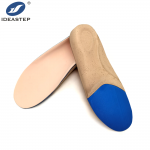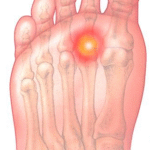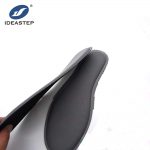
In insole production, material choice is usually where most projects are decided—not the design itself. For footwear brands, importers, and wholesalers, the final product performance depends heavily on what sits inside the insole, not just how it looks on the surface.
In real OEM and ODM production, materials need to do more than feel comfortable. They must hold shape after repeated compression, stay stable across large batches, and match different footwear categories such as work shoes, sports footwear, or medical-related products.
Material Selection in Real Insole Manufacturing
From a factory perspective, material selection is always linked to production consistency. A sample insole may feel good in hand, but once scaled into thousands of pairs, small differences in density or rebound can affect the entire order.
This is why insole materials are evaluated based on practical performance: compression recovery, density stability, aging resistance, and how well they bond with different top covers or support structures during lamination and molding.
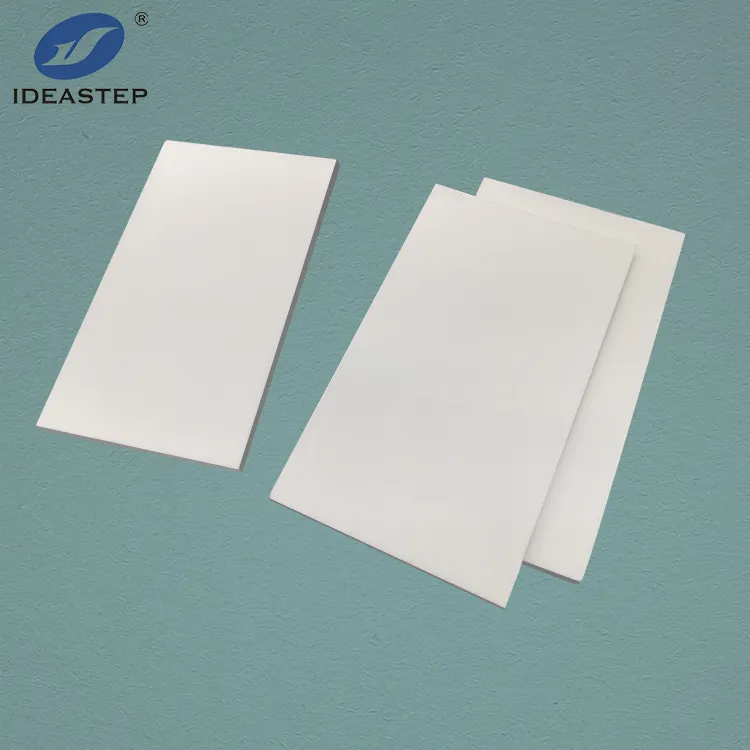
EVA: The Most Common Base Material in Mass Production
EVA (Ethylene Vinyl Acetate) is still the most widely used material in insole manufacturing. The main reason is not only comfort, but production flexibility.
In real factory applications, EVA can be adjusted into different hardness levels, which allows one material system to serve multiple product lines. Softer EVA is often used for daily comfort insoles, while higher-density EVA is used in work footwear and orthotic-grade products where structure is more important than softness.
During wear testing, EVA performs consistently in absorbing repeated heel impact and reducing fatigue during long standing or walking periods. This is why it is widely used in both retail and industrial footwear programs.
PU Foam: Used in Higher Comfort Positioning Products
PU (Polyurethane) foam is typically used in mid-to-high end insole categories where rebound and long-term cushioning stability are required.
Compared to EVA, PU generally provides a softer step-in feel and better energy return. However, it is more sensitive to formulation control, which means production consistency depends heavily on factory process stability and quality control systems.
For many brands, PU is selected when the product is positioned as premium comfort footwear or extended-wear insoles for retail markets.
Gel Inserts: Localized Shock Absorption
Gel materials are not usually used as full insole bases. Instead, they are placed in targeted areas such as the heel or forefoot.
In actual use, these areas receive the highest impact during walking. Gel helps reduce peak pressure at these points, especially in sports shoes and comfort-focused consumer products.
From a production perspective, gel is often combined with EVA or PU layers rather than used alone, since it cannot provide structural support by itself.
Multi-Density Foam Structures in OEM Production
In modern insole manufacturing, single-material constructions are mostly used in entry-level products. Mid-range and high-end insoles usually rely on multi-density structures.
A typical setup includes a softer top layer for initial comfort and a firmer base layer for support and stability. This structure allows the insole to perform better during long-term use without collapsing under pressure.
For OEM projects, this approach is also practical because it allows brands to adjust performance without changing the entire production line.
Top Cover Materials: What Users Feel First
While core materials define performance, the top cover is what the end user actually feels. In many cases, it determines the first impression of the product.
- Microfiber: commonly used for durability and stable surface performance in daily footwear
- Velvet fabric: used in comfort-focused insoles for softer contact feeling
- Moisture-control textiles: used in sports and work footwear to manage sweat and heat
In production, top covers also affect friction inside the shoe. A stable surface reduces movement inside the shoe and helps improve long-term wearing comfort.
Structural Components: The Function Behind Orthotic Performance
In orthotic and medical-grade insoles, structural elements such as TPU or thermoplastic arch supports play a key role.
These components control how the foot behaves under load. Without them, even high-quality cushioning materials will compress too easily and lose their corrective function over time.
In factory production, these support structures are usually integrated during molding or lamination stages, depending on the insole design system.
How B2B Buyers Typically Choose Materials
For brands and wholesalers, material selection is usually not based on a single feature, but on how the product will be positioned in the market.
In most OEM projects, decisions are driven by three practical factors:
- Target application: work, sports, medical, or everyday comfort footwear
- Cost structure: balancing performance requirements with market price positioning
- Production consistency: ensuring stable quality across large-volume orders
In real supply chains, many successful insole programs rely on material combinations rather than a single material solution.
Conclusion
Insole manufacturing is ultimately a materials-driven process. EVA, PU, gel, foam structures, and support components each serve a specific function within the final product.
For B2B footwear brands, distributors, and wholesalers, understanding how these materials behave in real production and wear conditions is more important than focusing only on theoretical properties. The right material system directly affects product stability, user experience, and long-term market performance.
Related product links: https://www.aideastep.com/product/at-10004-soft-elastic-eva-foam-for-shoe-insoles-lightweight-comfort-material/.