When people talk about foot comfort, it usually sounds simple. In reality, once you get into daily production footwear, long-hour standing jobs, or mass-use work environments, the requirements are very different. Insoles are no longer just “soft inserts”—they need to handle repeated impact, maintain shape under pressure, and still feel stable after weeks of use.
That is where orthotic insoles with EVA cushioning come in. They are widely used in work footwear, sports shoes, and medical-related shoe systems because they combine structured support with predictable cushioning performance in real wear conditions.
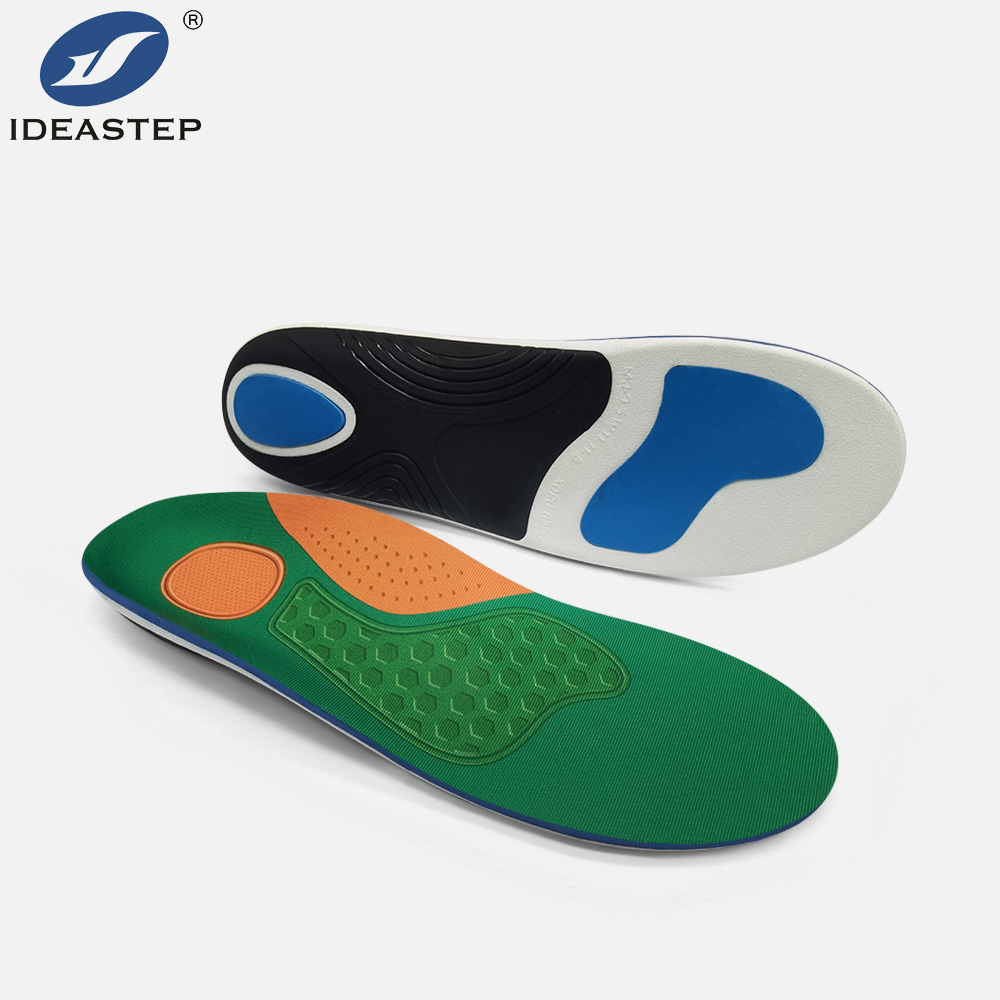
What EVA Cushioning Actually Does in Orthotic Insoles
EVA (Ethylene Vinyl Acetate) is commonly used in footwear manufacturing because it sits in a practical balance between softness and resilience. In orthotic insoles, it is not just about “feeling soft” when you press it by hand—it is about how the material behaves after thousands of repeated steps.
In real applications, EVA cushioning helps reduce the sharp impact that happens when the heel strikes the ground. Instead of transferring that force directly into the foot and lower leg, the material compresses slightly and releases energy in a controlled way. This is why it is often used in both work footwear and athletic shoe production.
Why Manufacturers Use EVA in Orthotic Insole Production
From a production point of view, EVA is popular because it is stable and easy to control in different densities. This matters when you are producing insoles for different markets—some require softer cushioning for daily comfort, while others need firmer support for work boots or safety footwear.
Another practical reason is consistency. In OEM and ODM production, materials must behave the same across large batches. EVA performs well in this aspect, which is why it is widely adopted in insole factories and footwear assembly lines.
Comfort Comes from Structure, Not Just Softness
A common misunderstanding is that comfort only comes from softness. In orthotic insoles, structure plays a bigger role.
EVA cushioning works together with the insole’s arch support design to guide how pressure is distributed when walking. Without proper structure, soft materials collapse too easily and create uneven pressure points. With a structured orthotic shape, EVA helps maintain a balanced feel across the entire footbed.
In practical use, this combination helps reduce localized pressure in areas like the heel and forefoot, especially during long standing hours.
Where EVA Orthotic Insoles Are Commonly Used
In actual supply chains, EVA orthotic insoles are not limited to one category. They are used across multiple footwear segments depending on density and design:
- Work boots for industrial and warehouse environments
- Safety shoes in manufacturing and construction
- Running and training footwear in sports brands
- Everyday casual shoes for retail markets
- Medical and footcare-related footwear systems
For many brands, EVA-based insoles are also used as a base platform for customization, especially in OEM production where different top covers or arch structures are applied on the same cushioning foundation.
Material Behavior in Real Use Conditions
One of the reasons EVA remains widely used is its behavior over time. In real wear testing, lower-quality foams tend to flatten quickly, especially under heel pressure. EVA maintains its structure longer when properly formulated with the right density.
It also performs well in different environments. Whether in dry indoor conditions or more demanding outdoor use, EVA keeps a stable cushioning response without becoming too rigid or overly soft due to temperature changes.
Balancing Cushioning and Support in Production Design
In orthotic insole development, there is always a balance between cushioning and support. Too much softness reduces stability, while too much rigidity reduces comfort.
EVA allows manufacturers to fine-tune this balance. By adjusting density and combining it with different support layers, it becomes possible to design insoles for very different user needs—from light daily comfort to heavy-duty work environments.
Conclusion
Orthotic insoles with EVA cushioning are widely used in modern footwear manufacturing because they offer a practical combination of comfort, durability, and production consistency. Instead of focusing only on softness, they are designed to perform under real-world conditions where repeated impact and long wear times are the norm.
For footwear brands, distributors, and OEM customers, EVA-based orthotic insoles provide a reliable foundation that can be adapted across different product lines without losing structural stability or comfort performance.
Related product links: https://www.aideastep.com/product-tag/eva-cushioning-insoles/.