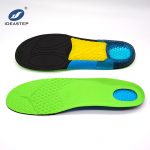
Footwear comfort is influenced by many factors, including shoe construction, cushioning materials, and insole design. For daily walking shoes, casual footwear, and work shoes, a thicker cushioning layer can significantly improve the underfoot feel.
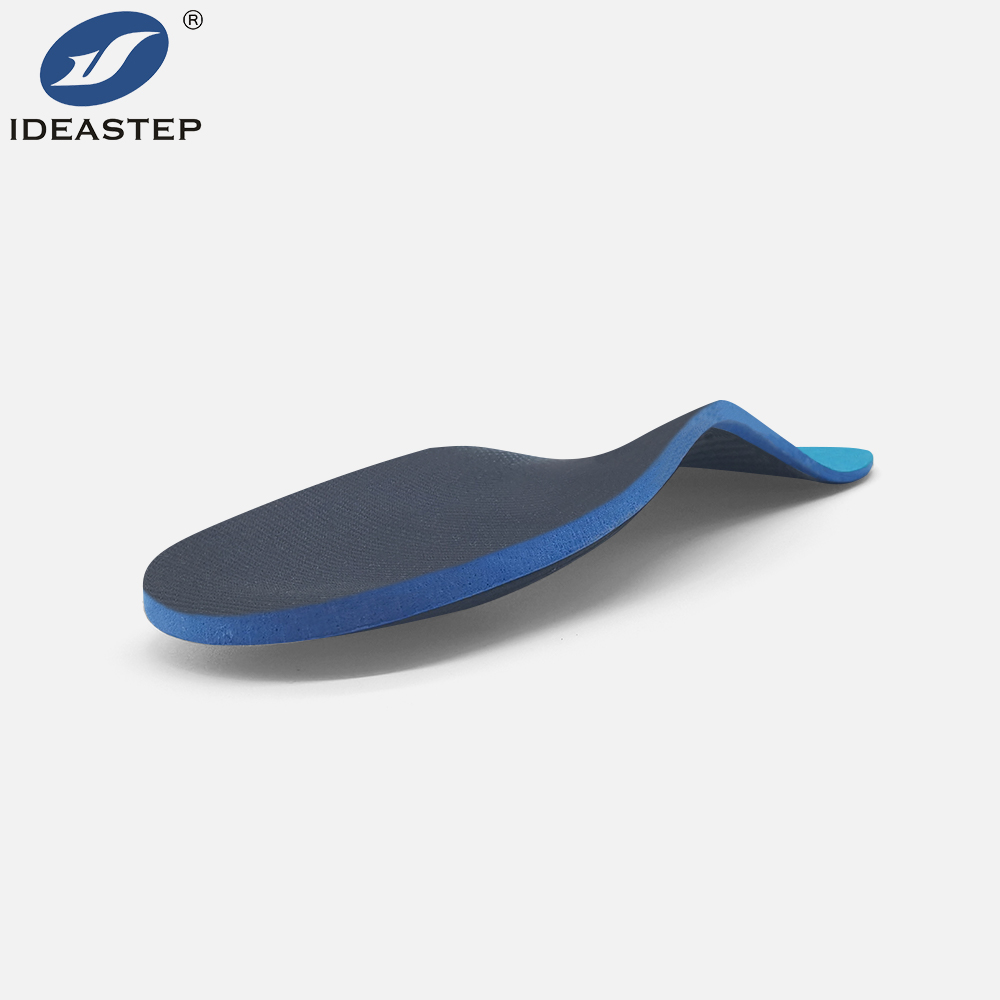
Extra thick memory foam insoles are designed with increased foam thickness to provide a softer step-in experience and better impact absorption. Compared with standard insoles, they offer more cushioning volume and are often used in footwear products where comfort is the primary selling point.
For footwear brands and insole distributors, material selection, structure design, and production capability are key considerations when developing memory foam insole products.
Key Features of Extra Thick Memory Foam Insoles
More Cushioning for Everyday Comfort
The main feature of extra thick memory foam insoles is the additional cushioning layer.
The increased thickness helps absorb impact from daily activities such as walking, standing, and light exercise. The memory foam layer also creates a softer contact surface between the foot and footwear.
Typical benefits include:
- Softer underfoot feeling
- Improved impact absorption
- Reduced pressure concentration
- Better comfort during extended wear
Foam density and thickness can be adjusted according to different product requirements, allowing manufacturers to create various comfort levels.
Balance Between Softness and Support
A common challenge with highly cushioned insoles is maintaining enough support while providing softness.
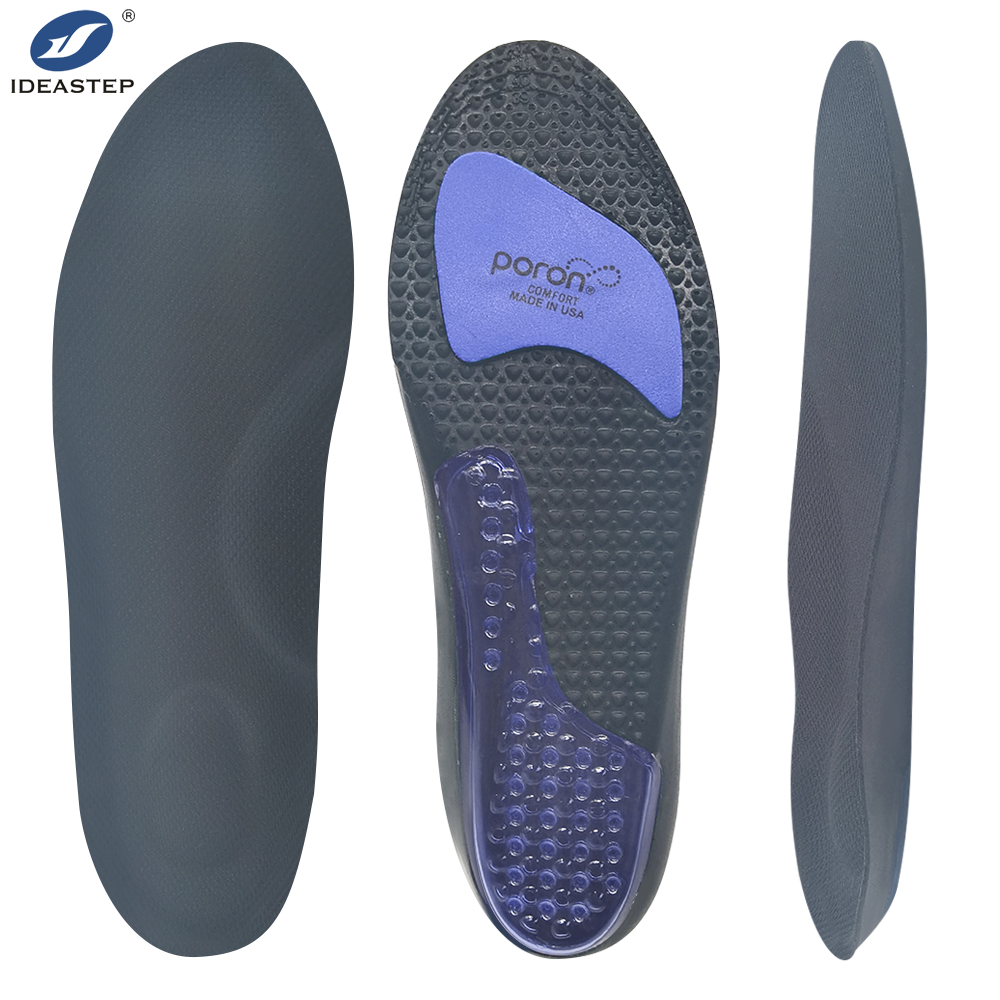
A well-designed extra thick memory foam insole usually combines different materials instead of relying only on memory foam.
Common structures include:
- Memory foam cushioning layer
- EVA support base
- PU foam layer
- TPU reinforcement components
The combination of materials helps achieve a better balance between cushioning, stability, and durability.
Material Structure of Memory Foam Insoles
The overall performance of a memory foam insole depends on the complete structure, not only the foam thickness.
Memory Foam Layer
The memory foam layer provides the main cushioning function.
Different foam densities can be selected based on the target application. Softer foam focuses on comfort, while higher-density foam provides better support and durability.
Support Base Layer
A support layer is often added underneath the memory foam to improve structure and product lifespan.
Materials such as EVA, PU, and TPU are commonly used depending on the required performance.
For example:
- EVA provides lightweight cushioning
- PU offers a softer and flexible feel
- TPU adds structural support in specific areas
Top Fabric Cover
The top cover affects both comfort and product appearance.
Common choices include:
- Breathable fabric
- Moisture-control textile
- Soft-touch materials
For consumer-facing footwear products, the top layer also plays an important role in the overall wearing experience.
Applications of Extra Thick Memory Foam Insoles
Casual and Lifestyle Footwear
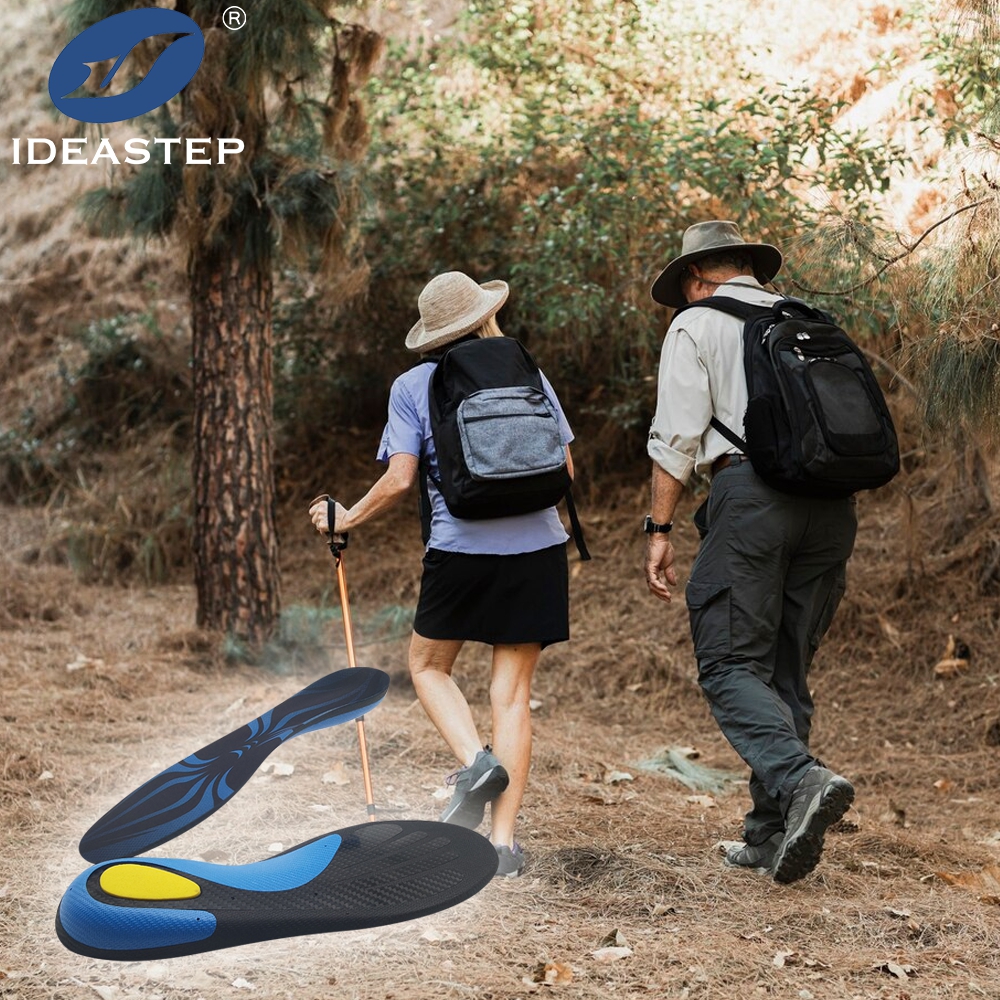
Extra thick memory foam insoles are widely used in sneakers, casual shoes, and walking footwear.
These applications usually focus on:
- Everyday comfort
- Soft cushioning
- Long-time wearing experience
Many lifestyle footwear brands use memory foam insoles as a key feature to differentiate their products.
Work and Standing Shoes
For footwear designed for long periods of standing or walking, cushioning performance is an important consideration.
Extra thick memory foam insoles can be used in:
- Work shoes
- Service footwear
- Comfort safety shoes
The thicker structure helps improve the overall comfort of footwear worn throughout the day.
Comfort-Focused Footwear Products
Memory foam insoles are also suitable for brands developing comfort-oriented footwear collections.
Depending on the product positioning, manufacturers can adjust:
- Foam thickness
- Cushioning level
- Surface materials
- Insole structure
This allows different brands to create products for specific market segments.
Custom Manufacturing Options for Memory Foam Insoles
For footwear companies and distributors, customization is often required to match different shoe designs and market demands.
Customized Thickness and Material Options
Extra thick memory foam insoles can be developed with different specifications, including:
- Overall thickness
- Heel cushioning height
- Foam density
- Material combination
The final structure depends on the footwear type, target price range, and expected user experience.
OEM and Private Label Development
An experienced custom insoles manufacturer can support brands with product development and bulk production.
Typical OEM options include:
- Custom product specifications
- Logo application
- Packaging design
- Material adjustments
This approach allows footwear companies to develop their own branded comfort insole products.
What to Consider When Selecting a Memory Foam Insole Manufacturer
Choosing a supplier is not only about product appearance. Consistent quality and development capability are also important factors.
Material and Production Experience
Manufacturers with experience in foam materials can provide better support during product development, including:
- Material selection
- Layer structure design
- Performance adjustments
Quality Consistency
For bulk orders, stable production quality is essential.
Important factors include:
- Material inspection
- Production control
- Finished product checking
These processes help ensure consistent results between samples and mass production.
Custom Development Capability
Different footwear markets require different product solutions.
A suitable manufacturing partner should be able to support:
- Prototype development
- Sample adjustment
- Specification changes
- Large-volume production
Extra Thick Memory Foam Insoles for Different Footwear Markets
As consumers continue to look for more comfortable footwear, cushioning insoles remain an important product category for shoe brands and distributors.
Extra thick memory foam insoles provide a practical solution for footwear applications that require additional softness, cushioning, and comfort.
By combining suitable materials, proper structure design, and manufacturing experience, companies can develop memory foam insole products that meet different market requirements.
Related Reading:
Memory Insoles for Shoes: Custom OEM Solutions for Footwear Brands
Are memory foam insoles good for feet?