Sourcing orthotic arch support inserts involves more than comparing unit prices. Wholesalers, footwear brands, and distributors need to evaluate material quality, support structure, shoe compatibility, customization options, and production consistency.
For bulk purchasing, these factors affect product positioning, manufacturing costs, and repeat-order quality. This guide covers the key considerations when sourcing orthotic arch support inserts from an OEM manufacturer.
What Are Orthotic Arch Support Inserts?
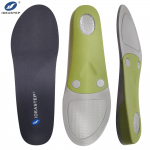
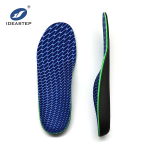
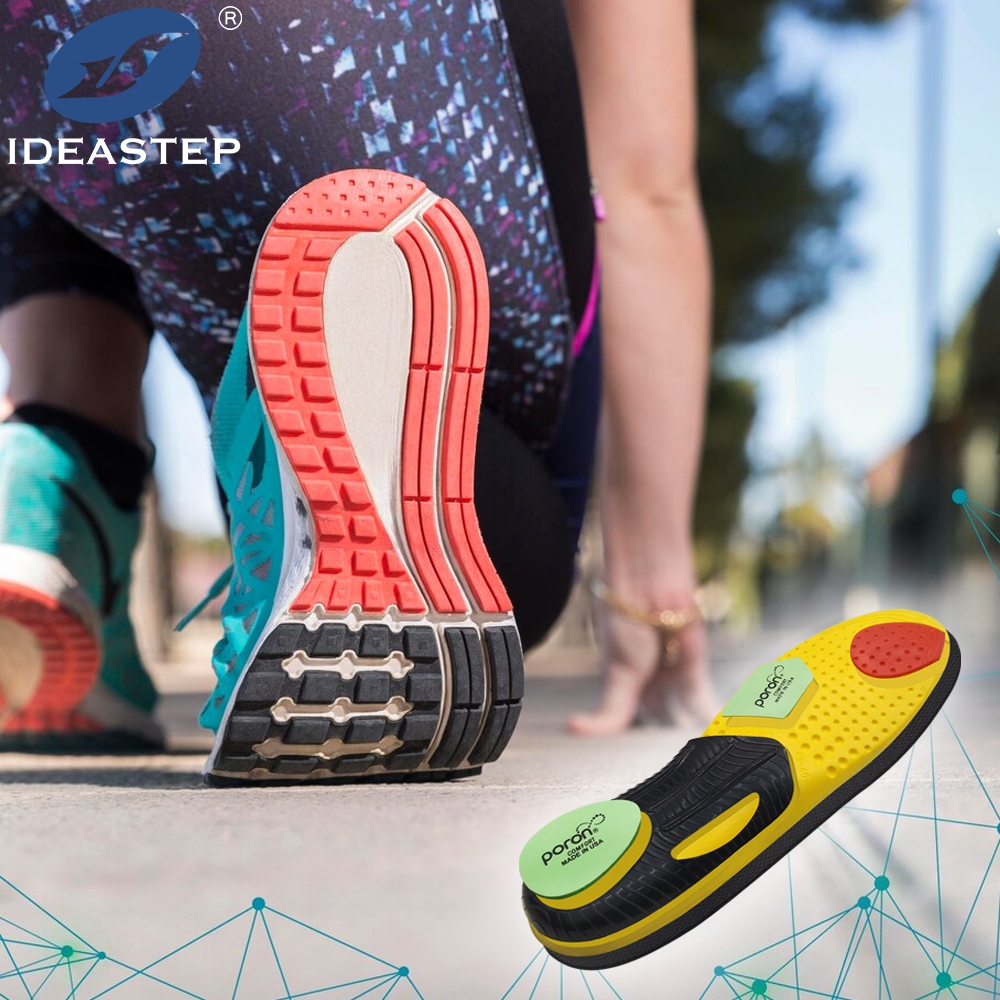
Orthotic arch support inserts feature a shaped area beneath the foot’s arch. Depending on the design, they may also include a heel cup, cushioning layers, or firmer support components.
Unlike basic flat insoles, these products use a defined structure to meet specific fit and support requirements. Common applications include everyday footwear, athletic shoes, work shoes, and retail orthotic products.
For wholesale buyers, the first step is to define the target footwear, intended application, and required support level before selecting a product.
Types of Orthotic Arch Support Inserts
Arch Profiles and Support Levels
Low-, medium-, and high-profile designs differ in arch height, width, length, and contour. A higher profile does not automatically provide a better fit; the geometry must match the intended design.
Buyers developing custom products should provide reference samples, technical drawings, or written specifications to help manufacturers reproduce the required profile across sizes.
Cushioning vs. Structured Support
Soft foam constructions prioritize cushioning, while firmer materials or support components create a more structured design. Some inserts combine both to balance cushioning and shape retention.
Full-length inserts cover the heel, arch, and forefoot. Three-quarter-length designs stop before the toes and may suit footwear with limited forefoot space.
The right construction depends on shoe volume, flexibility, target customers, and the intended price point.
Key Design Features to Evaluate
Before requesting a quotation, buyers should confirm the following specifications.
- Arch geometry: Define arch height, length, width, and contour.
- Heel cup: Check depth, shape, and compatibility with the shoe’s heel counter.
- Cushioning: Specify the required material and cushioning characteristics.
- Thickness and flexibility: Ensure the insert fits the intended footwear without taking up excessive internal space.
- Size range: Confirm dimensions, size grading, and any trimming requirements.
Clear specifications help manufacturers develop suitable samples and reduce unnecessary revisions.
Choosing Materials for Orthotic Arch Support Inserts
Material selection affects product weight, cushioning, stiffness, durability, processing requirements, and unit cost.
EVA Foam
EVA is widely used in insole manufacturing because manufacturers can produce it in different densities, hardness levels, and thicknesses. Depending on the construction, it can serve as a cushioning layer or a shaped base.
When requesting EVA inserts, specify the required hardness, thickness, and intended application rather than relying on the material name alone.
PU Foam
PU foam suits cushioning-focused designs, with properties varying by formulation and density. Buyers should evaluate softness, rebound, compression behavior, and durability against the product requirements.
TPU Support Components
TPU can form structured components where a defined level of stiffness and shape retention is required. Manufacturers may combine TPU with EVA or PU layers to achieve the intended construction.
Top Covers and Layered Construction
Mesh and other textile covers affect surface feel, appearance, and wear characteristics. Layered designs can combine a textile cover, foam cushioning, and a support component.
However, additional layers may increase thickness, assembly complexity, and cost. Buyers should specify the function and material of each layer when requesting an OEM quotation.
OEM Customization and Private Label
OEM development allows brands and distributors to customize products for their target market, footwear, and price range.
Depending on the manufacturer’s capabilities, customization may include:
- Arch profile and heel cup geometry.
- Material type, hardness, and thickness.
- Full-length or three-quarter-length construction.
- Size range and product dimensions.
- Logo application, labels, and packaging.
For efficient sampling, provide a reference product or drawing, target footwear, size range, preferred materials, estimated order quantity, and target price.
Sample Development and Approval
A typical OEM workflow includes specification review, initial sampling, sample evaluation, revisions, and final approval.
Check the sample for dimensions, arch contour, material feel, workmanship, and fit inside the intended footwear. Record changes in writing and approve the final sample before mass production.
Keep the approved sample and specification sheet as references for future orders.
Quality Control for Bulk Orders
Consistent quality depends on clear specifications and agreed inspection criteria.
Material and Dimensional Inspection
Depending on the design, inspections may cover material identity, hardness, density where relevant, length, width, thickness, arch profile, heel cup dimensions, and workmanship.
Define critical dimensions and acceptable tolerances before production. General descriptions such as “good quality” do not provide measurable acceptance criteria.
Performance Testing and Batch Consistency
Depending on the product, relevant tests may include compression behavior, flex resistance, abrasion resistance, or bonding strength. Buyers should agree on applicable methods and acceptance criteria with the manufacturer.
For repeat orders, retain the approved sample, material specifications, and inspection records. Require approval before changing materials or construction.
How to Choose an Orthotic Insole Manufacturer
A suitable supplier should meet your product requirements, communicate clearly, and support consistent production.
Evaluate these areas before placing a bulk order:
- Manufacturing capability: Confirm available materials, production processes, tooling, and customization options.
- Development support: Ask how the supplier handles reference samples, technical drawings, and sample revisions.
- Quality management: Review inspection procedures, relevant test reports, and material controls.
- Supply reliability: Confirm production capacity, lead times, and repeat-order procedures.
- Commercial terms: Clarify unit price, MOQ, tooling fees, packaging, and delivery terms.
Verify certification claims and request supporting documents when your project requires them.
Wholesale Pricing, MOQ, and Lead Time
The unit price of orthotic arch support inserts depends on material grade, construction complexity, tooling, customization, packaging, and order quantity.
What Affects MOQ and Pricing?
Tooling requirements, material procurement, production setup, and packaging can affect the minimum order quantity. When requesting quotations, provide the estimated volume, size breakdown, and number of product versions.
Compare supplier quotations against the same specifications. Differences in material grades, construction, and inspection requirements can make prices difficult to compare directly.
Sampling and Production Schedule
Confirm the expected timeline for sample development, revisions, approval, mass production, inspection, and shipment.
Material availability, tooling, and design changes may affect delivery. Ask the manufacturer for a project-specific schedule before planning a product launch or replenishment order.
Frequently Asked Questions
Which materials are commonly used for orthotic arch support inserts?
EVA, PU foam, and TPU are common options. EVA can serve as a base or cushioning material, PU foam can provide cushioning, and TPU can form structured support components.
Can manufacturers customize inserts from a reference sample?
Many OEM manufacturers can use reference samples, drawings, or written specifications as development inputs. Confirm tooling requirements, sampling procedures, and approval arrangements before bulk production.
How can buyers maintain quality across repeat orders?
Use an approved sample, written material and dimensional specifications, and agreed inspection criteria. Approve any changes to materials or construction before production begins.
What determines the MOQ?
MOQ depends on tooling, materials, production setup, customization, and packaging. Request a quotation based on the actual product specification and order quantity.
Source Orthotic Arch Support Inserts from Ideastep
For wholesale buyers, a clear product specification is the starting point for a successful sourcing project. Define the arch profile, materials, size range, footwear application, and quality requirements before comparing suppliers.
Contact Ideastep to discuss orthotic arch support inserts, OEM customization, material options, and wholesale supply for your business.
Explore More: Ideastep orthotic arch support inserts company for Foot shape correction.