Why High Arch Orthotics with Integrated Metatarsal Pads Fill a Critical Clinical Gap
A high arch, or cavus foot, creates distinct biomechanical hurdles. Because the arch is stiff, it cannot absorb impact naturally. Pressure concentrates heavily on the heel and metatarsal heads as the foot moves through gait cycles. Unfortunately, many generic high arch insoles only add rigid arch support. They overlook forefoot overload, a common trigger for metatarsalgia, Morton’s neuroma and pain under the ball of the foot.
Orthotic designs pairing shaped high arch support and a precision metatarsal pad address this imbalance. Specifically, these inserts are engineered for podiatry clinics, physical therapy practices and wholesale foot care distributors. Beyond symptom relief, they reliably offload pressure for symptomatic high arch patients. They also give B2B partners a differentiated product to add to their catalogue.
Biomechanics: How the Arch and Metatarsal Pad Work Together
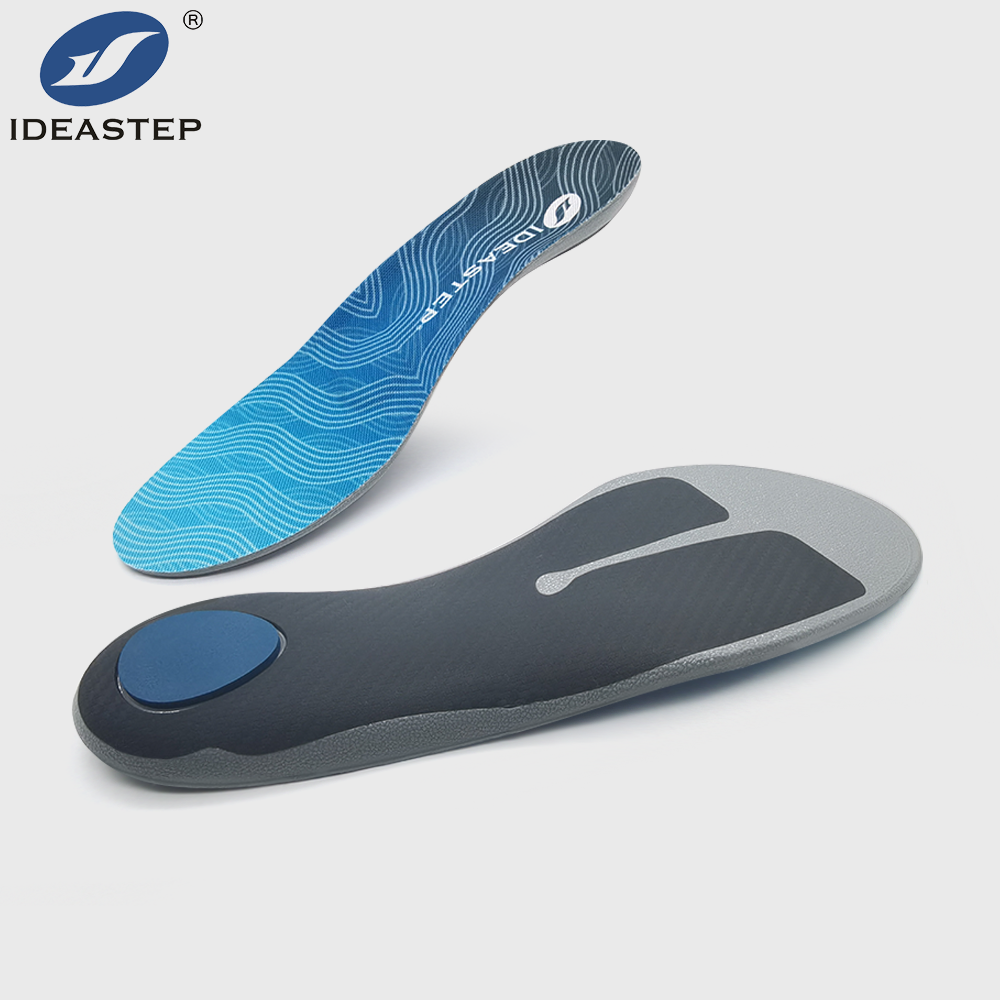
High arch feet tend to supinate during the stance phase of walking. As a result, lateral stability drops off, and the transverse arch in the forefoot gets compressed. A well-calibrated high arch support will not overfill the arch cavity. Instead, it stabilises the rearfoot and spreads load across the foot’s medial and lateral frame.
The metatarsal pad sits just before the second to fourth metatarsal heads. Once positioned correctly, it gently lifts the transverse arch. This spreads pressure over a wider forefoot area instead of concentrating weight on isolated met heads. Thanks to this combination, peak forefoot pressure falls while the foot retains natural movement. This key feature separates them from standalone arch supports or simple cushion inserts.
Material Stack Options for Clinic-Grade High Arch Insoles
Material choice ties closely to clinical use and wholesale price tiers. For this reason, we build multi-layer constructions suited to different patient activity levels.
Graded EVA serves as the most common base. It balances structural support and light weight. Meanwhile, TPU reinforcement boosts torsion resistance for more active users. PORON or closed-cell foam forms the metatarsal pad layer. It holds its shape and resists compression fatigue after repeated use.
Breathable top liners reduce moisture buildup for clinic stock. Additionally, cork blends are available for partners wanting natural, heat-mouldable options. Every material stack is documented to keep batch-to-batch consistency. This process supports ISO 13485 and MDR compliance for medical device classification.
Design Controls That Matter for Clinic Reliability
Small design tweaks change clinical outcomes for high arch orthotics. First, proper heel cup depth centres the calcaneus and limits lateral shift. Arch contour height is calibrated by foot type, not a one-size universal profile. Next, metatarsal pad height, width and placement are validated with plantar pressure mapping.
Edges are carefully beveled to avoid skin irritation. Furthermore, overall thickness is tuned to fit standard athletic, casual and dress footwear. Many clinic partners prefer trim-to-fit profiles. This option lets clinicians adjust the insole to match a patient’s shoes without ordering fully custom orthotics.
Prefabricated vs Custom High Arch Orthotics for Your Product Portfolio
Most foot care operators benefit from stocking both prefabricated and custom orthotic options. In the first place, prefabricated high arch insoles with metatarsal pads work as a scalable first-line solution. They fit mild to moderate cavus foot, metatarsalgia and recurring forefoot pain. For wholesale buyers, these orders carry lower MOQs and faster lead times.
Fully custom orthotics are reserved for complex cases. These include fixed claw toe deformity, severe supination or asymmetric cavus foot. Therefore, B2B partners can bundle both lines. This strategy lets clinics triage patients efficiently and preserve margins across all care levels.
Private Label and Wholesale Customisation for Foot Care Partners
We offer flexible branding and packaging for clinic and wholesale clients. Available custom work includes logo marking, laser engraving and printed size labels. Also, instruction inserts can be localised for EU, UK and North American markets.
Partners choose from fixed sizing SKUs or request modified profiles. Before mass production, we supply sample batches for clinical review. Tooling terms, sampling fees and revision limits are shared upfront. This transparency prevents unexpected costs when expanding your private label orthotic range.
Quality and Compliance for Medical Footwear Supply Chains
Every production run goes through structured quality checks. Teams verify dimensional accuracy, shore hardness, bonding integrity and met pad positioning. Following these checks, compression fatigue testing confirms long-term performance under repeated load.
For partners selling into European healthcare markets, we compile technical files, risk assessment records and batch traceability logs. Complete documentation is required to market these orthotics as medical devices. Equally important, it protects clinics and distributors during audits.
What Clinic Buyers Look for When Sourcing High Arch Orthotics
Clinics prioritise consistent clinical results over low unit pricing. They want suppliers backed by orthotist or podiatry technical support. Uniform metatarsal pad placement across every size is non-negotiable.
They also value flexible order volumes. Many clinics start with small trial SKUs before committing to full stock. Ultimately, reliable lead times, responsive sample support and clear compliance records set trusted manufacturers apart from generic foam suppliers.
Conclusion
High arch insoles with integrated metatarsal pads are far more than comfort inserts. They are targeted orthotic solutions built around cavus foot biomechanics. They ease forefoot overload and improve stability for supinated feet. For clinics, they deliver a dependable first-line intervention. Meanwhile, they give wholesale partners a high-value niche product to grow their foot care catalogue.
Share your product brief with us. We can walk through profile options, material stacks and private label packaging for your clinic or wholesale brand.
FAQ: High Arch Insoles with Metatarsal Pad for Clinic and Wholesale Partners
Q1: What foot conditions benefit most from high arch insoles with metatarsal pads?
These orthotics work well for cavus foot, supination, metatarsalgia and recurring ball-of-foot pain. They also help patients with mild Morton’s neuroma and forefoot overload linked to high arch structure. Overall, they are a practical first-line option for podiatry and physical therapy clinics.
Q2: What is the difference between a built-in metatarsal pad and a separate metatarsal dome?
An integrated metatarsal pad stays locked in its correct position. It will not shift around inside footwear during movement. On the other hand, separate domes often slide or bunch for active patients. The bonded design delivers steady pressure redistribution for clinical use.
Q3: Can these high arch insoles be trimmed to fit different shoe styles?
Yes. Most prefabricated SKUs come as trim-to-fit. Clinicians can adjust length and width for athletic shoes, casual footwear and dress shoes. In addition, clear trim guides are printed on each insole for quick, accurate modification.
Q4: Are these orthotics available for private label wholesale orders?
They support private label customisation. We offer logo marking, custom packaging and multilingual inserts. Trial batches are available before full production. As a result, flexible MOQ options suit clinic groups and regional distributors.
Q5: What certifications and documentation come with these orthotic insoles?
We provide technical files, risk assessment records and batch traceability logs. Products meet ISO 13485 standards and satisfy MDR requirements for European markets. With these documents, partners can pass audits and market the orthotics as medical devices.
Q6: How do I select the right material stack for my clinic or product line?
Graded EVA fits general use and entry wholesale tiers. TPU reinforcement adds rigidity for active patients. PORON pads deliver durable cushioning for all-day wear. Alternatively, cork blends work for clients who prefer heat-mouldable natural materials.
Q7: When should clinicians recommend custom orthotics instead of prefabricated high arch insoles?
Prefabricated inserts suit mild to moderate cavus foot. Custom orthotics are better for severe supination, fixed claw toe deformities or asymmetric foot structure. In practice, most clinics stock both lines to cover all patient cases and protect margins.
Related Articles: Arch Support Insoles for High Arches: Materials, Custom Design and Manufacturing.