Ankle support sleeves are an established product category in sports protection and orthopedic support markets. For sports brands, medical distributors, and wholesale importers, product selection depends on fabric performance, compression design, sizing consistency, and manufacturing quality.
When sourcing wholesale ankle support sleeves, buyers need to consider more than unit price. Material specifications, production standards, private-label options, and supply reliability all affect the long-term value of a product line.
This article outlines the key manufacturing and sourcing considerations for businesses developing or expanding their ankle support collections.
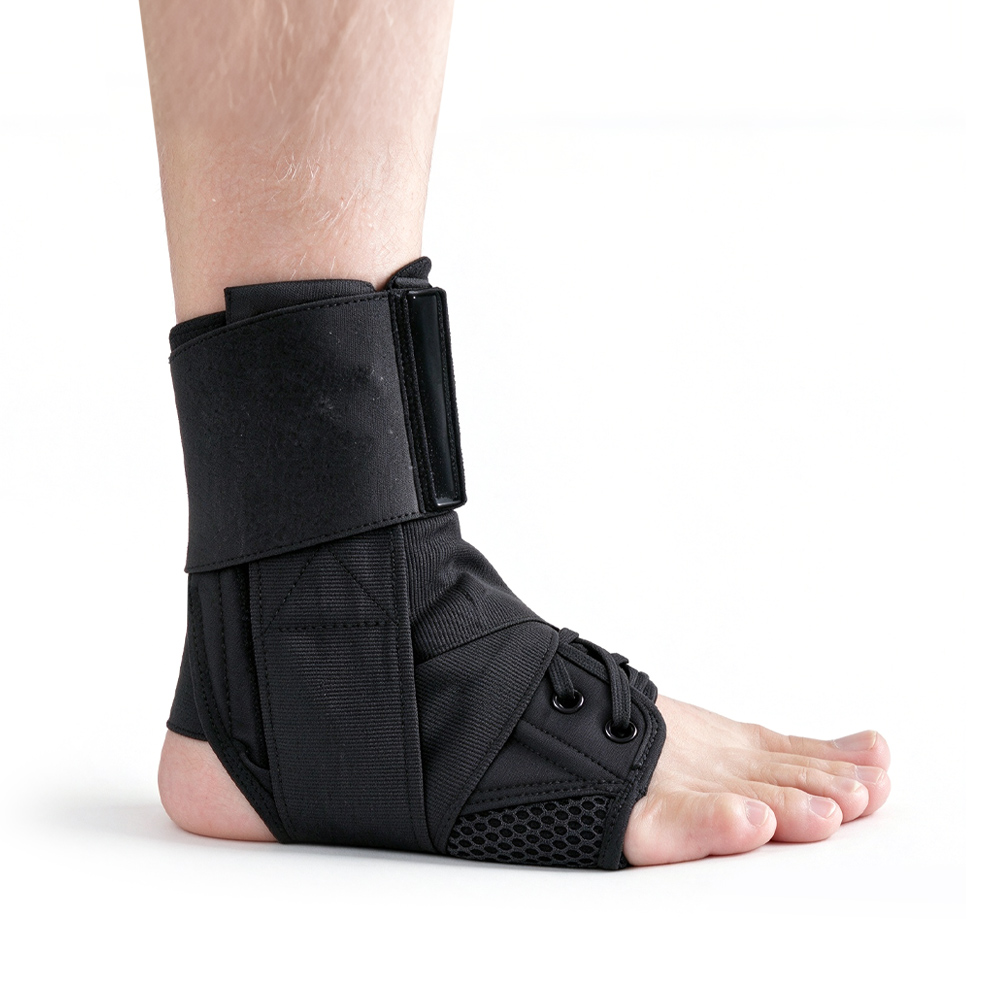
Key Materials Used in Ankle Support Sleeves
Material selection determines the elasticity, compression characteristics, breathability, and durability of an ankle support sleeve. Different fabric combinations serve different product requirements.
Common materials include:
- Nylon: Provides abrasion resistance, structural stability, and a smooth fabric surface.
- Spandex: Adds elasticity and supports a close-fitting construction.
- Polyester: Offers durability and can be incorporated into moisture-management fabric structures.
- Nylon-Spandex Blends: Combine stretch and fabric stability, making them suitable for various compression sleeve designs.
The material ratio, yarn quality, and knitting density should be specified before production. These factors influence fabric recovery, dimensional stability, and consistency between batches.
Manufacturing Factors That Affect Product Quality
For wholesale buyers, consistent product specifications are essential. Several manufacturing factors deserve attention during supplier evaluation.
1. Compression Design and Knitting Structure
Compression performance depends on fabric elasticity, knitting density, material composition, and product construction.
Different designs may use uniform compression or targeted elastic zones. The appropriate structure depends on the intended product category and its specified performance requirements.
For sports brands, flexibility and structural support are common design considerations. Medical distributors may require more clearly defined compression specifications and supporting product documentation.
Compression claims should be supported by appropriate testing rather than relying on fabric descriptions alone.
2. Elastic Recovery and Durability
Ankle support sleeves undergo repeated stretching during use. Poor elastic recovery can lead to deformation, inconsistent fit, and reduced product service life.
During sample evaluation, buyers should check:
- Fabric recovery after repeated stretching.
- Changes in dimensions after washing.
- Seam strength and knitting consistency.
- Resistance to pilling and surface wear.
- Consistency across different production batches.
These checks help establish practical quality requirements before bulk manufacturing begins.
3. Sizing and Dimensional Consistency
A clear size specification is important for wholesale distribution.
Suppliers should provide actual product measurements and the measurement method used for each size. Buyers should also confirm acceptable dimensional tolerances and grading standards.
For private-label projects, approved samples and documented size specifications provide a reference for subsequent production orders.
4. Quality Control and Product Inspection
Quality control should cover incoming materials, production processes, and finished products.
A practical inspection plan may include:
- Fabric composition and material verification.
- Product dimensions and size grading.
- Stitching and knitting defects.
- Elastic recovery and construction checks.
- Color consistency and packaging inspection.
Defining inspection requirements before mass production reduces disagreements and helps maintain consistent wholesale supply.
Wholesale Ankle Support Sleeves for Different B2B Markets
Product specifications should reflect the requirements of the intended distribution channel.
Sports Brands and Athletic Product Manufacturers
Sports brands generally look for flexible constructions, durable fabrics, and consistent compression specifications.
Ankle support sleeves can be developed as part of broader sports protection collections covering running, basketball, fitness, and training products.
For private-label projects, buyers may also require specific colors, branding, packaging, and size ranges to match their existing product lines.
Medical Distributors and Orthopedic Suppliers
Medical distributors often place greater emphasis on documented product specifications, material traceability, and quality consistency.
Important considerations include:
- Clearly defined compression specifications.
- Consistent material composition.
- Accurate sizing and product labeling.
- Appropriate testing and supporting documentation.
- Compliance with applicable market requirements.
Product classification and regulatory obligations should be confirmed according to the intended market and product claims. A standard ankle support sleeve should not automatically be marketed as a medical device without verifying its regulatory status.
Wholesale Importers and Private Label Brands
Importers and private-label businesses typically evaluate suppliers based on MOQ, sample approval, production lead time, pricing, and repeat-order consistency.
Working with a supplier that can communicate specifications clearly helps simplify purchasing and reduce unnecessary production changes.
OEM and ODM Requirements for Ankle Support Sleeves
OEM and ODM projects allow brands to develop products around their own market requirements.
Depending on the supplier’s actual manufacturing capabilities, customization may involve:
| Customization Area | Key Requirements |
|---|---|
| Fabric | Material composition and fabric weight |
| Construction | Knitting structure and elastic zones |
| Compression | Defined compression specifications |
| Sizing | Size range and dimensional tolerances |
| Branding | Logo, labels, and product identification |
| Packaging | Retail packaging and private-label requirements |
Before confirming an order, buyers should establish the product specification sheet, approved sample, inspection criteria, packaging details, and order quantity.
These details provide a consistent production reference and help avoid differences between samples and bulk orders.
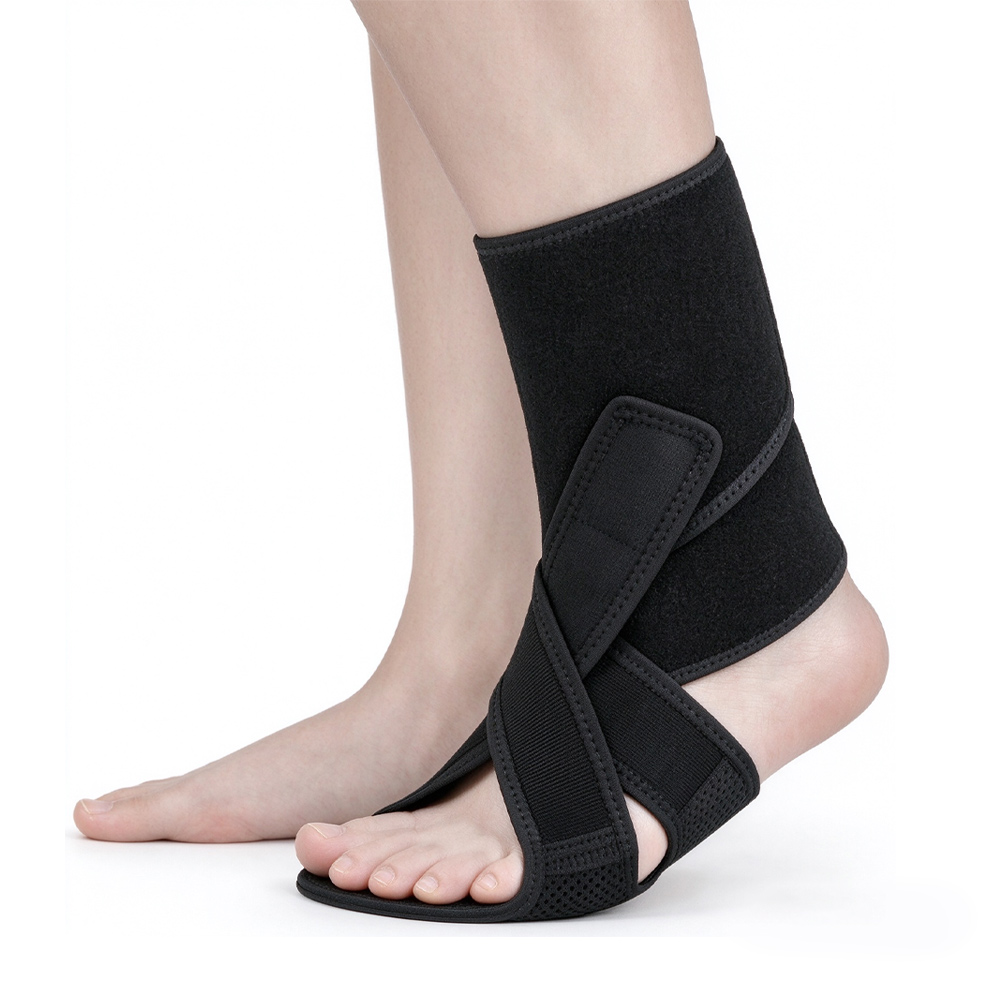
How to Evaluate a Wholesale Ankle Support Sleeves Supplier
Choosing a supplier requires evaluating both technical capabilities and order management.
| Evaluation Factor | What to Confirm |
|---|---|
| Material sourcing | Fabric composition and material consistency |
| Product development | Available designs and customization scope |
| Sample service | Sample specifications and approval process |
| Quality control | Inspection procedures and acceptance criteria |
| Production capacity | MOQ and confirmed production lead time |
| Private labeling | Logo, labels, and packaging options |
| Export experience | Documentation and shipping arrangements |
Buyers should request product samples and relevant technical information before committing to large orders. For repeat purchasing, retaining an approved sample and written specifications helps maintain consistency.
B2B Ankle Support Sleeve Sourcing with Ideastep
Ideastep, operated by Xiamen KON Technology Co., Ltd., has been involved in footcare and footwear materials since 1989. Its business focuses on orthotic insoles, EVA materials, and customized footcare product solutions for international B2B customers.
For businesses developing sports protection and orthopedic product collections, understanding material selection, product construction, and manufacturing specifications is essential when evaluating potential suppliers.
Contact Ideastep to discuss your product requirements, explore suitable manufacturing solutions, and request information about samples and bulk supply.
Related Post: Custom Fabrication of Orthotic Leg Braces Knee for Clinic and Private Label Partners.