As the global demand for custom orthotic insoles continues to grow, quality has become a key factor influencing purchasing decisions. Whether you are a private-label brand, distributor, podiatry clinic, or healthcare supplier, product consistency directly affects customer satisfaction, brand reputation, and long-term business success.
Unlike standard insoles, custom orthotics are designed to meet specific biomechanical and medical requirements. Even small variations in materials, dimensions, or manufacturing processes can impact support, comfort, and durability. This is why leading orthotic manufacturers implement strict quality control standards throughout every stage of production.
In this article, we explore the essential quality control practices in custom orthotic manufacturing and explain what B2B buyers should look for when selecting an OEM or ODM partner.
Why Quality Control Matters in Custom Orthotic Manufacturing
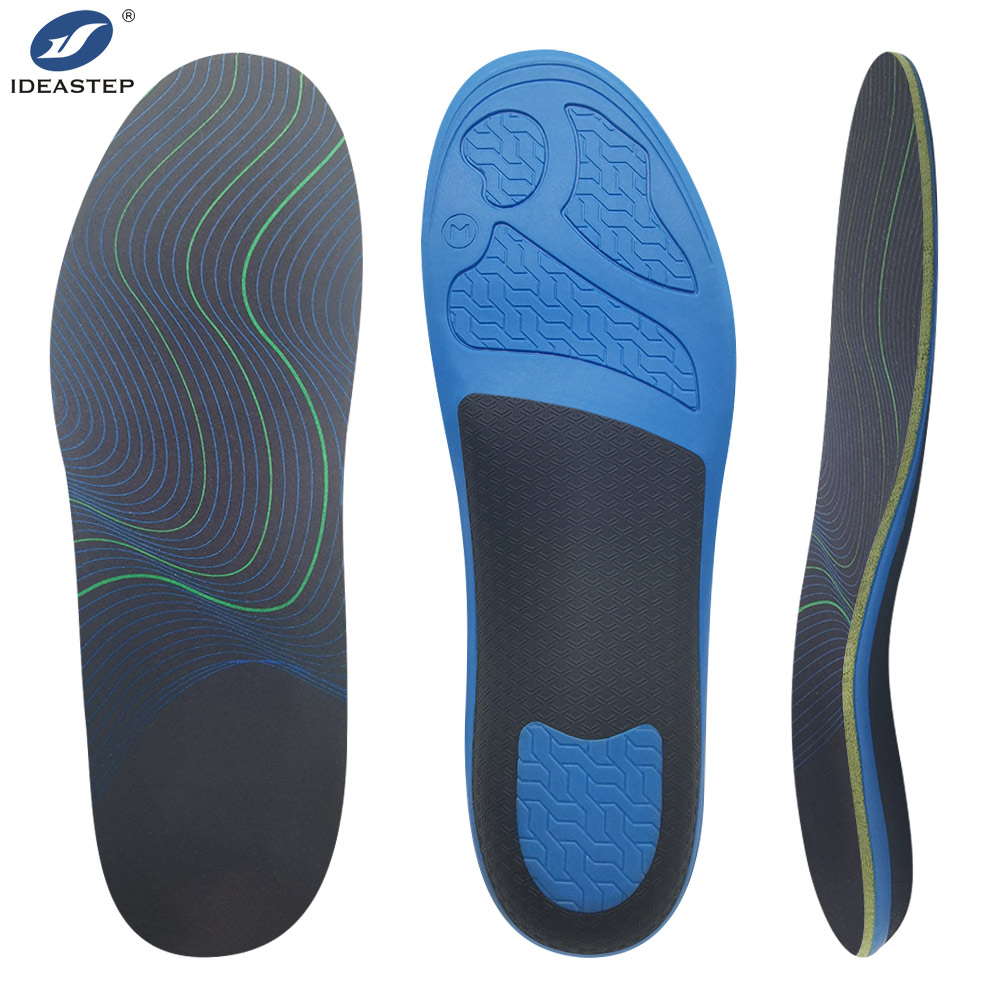
Custom orthotics are more than simple footwear accessories. They are functional products designed to improve foot alignment, reduce discomfort, and enhance mobility. To achieve these outcomes consistently, manufacturers must maintain strict control over materials, production processes, and final inspections.
Effective quality control helps:
- Ensure consistent product performance
- Improve wearer comfort and fit
- Reduce defects and product returns
- Meet international quality standards
- Protect brand reputation
- Increase customer satisfaction and retention
For businesses sourcing custom orthotic insoles, partnering with a manufacturer that prioritizes quality can significantly reduce supply chain risks and improve market competitiveness.
Quality Control vs. Quality Assurance
Although often mentioned together, Quality Control (QC) and Quality Assurance (QA) serve different purposes.
Quality Control (QC)
QC focuses on identifying defects through inspections and testing. It ensures that products meet predetermined specifications before reaching customers.
Examples include:
- Material testing
- Dimensional inspections
- Hardness verification
- Finished product evaluation
Quality Assurance (QA)
QA focuses on preventing defects by improving manufacturing systems and operational procedures.
Examples include:
- Standard operating procedures (SOPs)
- Process validation
- Staff training programs
- Continuous improvement initiatives
The most reliable orthotic manufacturers integrate both QC and QA systems to ensure consistent product quality.
Key Quality Control Stages in Custom Orthotic Manufacturing
1. Raw Material Inspection
High-quality orthotics begin with high-quality materials. Common materials include EVA foam, polyurethane (PU), TPU shells, carbon fiber components, and performance fabrics.
Before production begins, manufacturers typically conduct:
- Density testing
- Shore A hardness testing
- Compression set testing
- Flexibility and fatigue testing
- Abrasion and colorfastness testing
Consistent material quality ensures reliable cushioning, support, and durability across production batches.
2. Foot Data Collection and Digital Design
Accurate foot data is essential for producing effective custom orthotics.
Modern manufacturers often use:
- 3D foot scanning systems
- Pressure mapping technology
- Biomechanical assessments
- CAD design software
Digital models are carefully reviewed to ensure they match the customer’s clinical or performance requirements before production begins.
3. CNC Machining and Tooling Control
Many premium custom orthotics are manufactured using CNC technology, which provides high precision and repeatability.
Quality checks include:
- Machine calibration
- Tool wear inspection
- Dimensional tolerance verification
- Surface quality assessment
Maintaining machining accuracy helps ensure consistent product performance throughout large production runs.
4. Thermoforming and Molding Process Control
Thermoforming plays a critical role in shaping custom orthotics.
Manufacturers monitor:
- Molding temperature
- Pressure levels
- Heating and cooling cycles
- Forming duration
Proper process control helps maintain structural integrity and long-term support performance.
5. Assembly and Finishing Inspection
Before packaging, orthotics undergo final assembly and cosmetic inspection.
Inspectors evaluate:
- Edge smoothness
- Bonding strength
- Surface consistency
- Overall appearance
Common defects such as delamination, air bubbles, scratches, and contamination are identified and removed before shipment.
Essential Quality Testing for Custom Orthotics
Professional orthotic manufacturers conduct multiple performance tests to verify product quality.
Dimensional Accuracy Testing
Measurements typically include:
- Length
- Width
- Thickness
- Arch height
- Heel cup depth
Accurate dimensions ensure proper fit and functional effectiveness.
Support and Stability Testing
Manufacturers evaluate:
- Arch support strength
- Heel stabilization
- Torsional rigidity
- Load-bearing performance
These tests verify that the orthotic delivers the intended biomechanical support.
Durability Testing
Custom orthotics must withstand continuous daily use.
Common durability tests include:
-
- Compression fatigue testing
- Flex testing
- Repeated load simulation
These assessments help predict long-term performance and product lifespan.
International Certifications and Compliance Standards
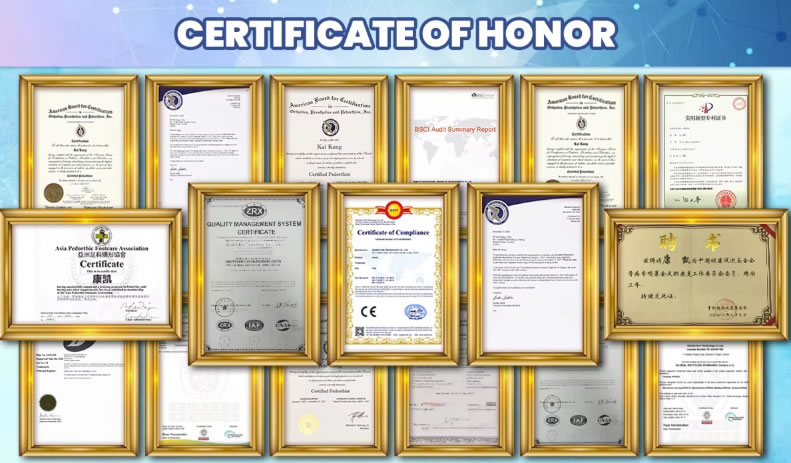
For global brands and distributors, certifications provide confidence in a manufacturer’s quality management capabilities.
ISO 9001
Demonstrates a structured quality management system focused on consistency and continuous improvement.
ISO 13485
Applies to medical device manufacturing and is particularly important for medical-grade orthotic products.
CE Compliance
Required for many products sold within the European market and indicates conformity with applicable regulations.
FDA Registration
Important for manufacturers supplying orthotic products to the United States market.
REACH and RoHS Compliance
Ensures materials meet environmental and chemical safety requirements.
How Leading OEM and ODM Manufacturers Maintain Consistent Quality
Experienced manufacturers implement multiple inspection stages throughout production.
Incoming Quality Control (IQC)
Raw materials are inspected before entering production.
First Article Inspection (FAI)
Initial samples are approved before mass production begins.
In-Process Quality Control (IPQC)
Production quality is monitored continuously to identify issues early.
Final Quality Control (FQC)
Finished products undergo comprehensive inspections before packaging.
Outgoing Quality Control (OQC)
Final audits are completed before shipment to ensure customer requirements are met.
What B2B Buyers Should Look for in an Orthotic Insole Manufacturer
Selecting the right manufacturing partner goes beyond comparing prices. Buyers should evaluate the supplier’s quality systems, production capabilities, and industry experience.
Key considerations include:
- Established QC and QA systems
- Advanced manufacturing equipment
- International certifications
- OEM and ODM development capabilities
- Product traceability systems
- Experience serving global markets
A manufacturer with strong quality control processes can help brands reduce risks, improve product consistency, and build long-term customer trust.
Conclusion
Quality control is the foundation of successful custom orthotic manufacturing. From material selection and digital design to molding, testing, and final inspection, every stage plays a crucial role in product performance and customer satisfaction.
For brands, distributors, podiatry clinics, and healthcare providers, choosing a manufacturer with proven quality management systems and international certifications is essential. A reliable OEM or ODM partner not only delivers consistent products but also supports business growth through better quality, compliance, and customer confidence.
As the custom orthotics market continues to expand, manufacturers that invest in quality control, innovation, and continuous improvement will remain the preferred partners for businesses worldwide.
You may also like: Ideastep, a leading orthotic insole manufacturer