As awareness of children’s foot health continues to grow, the demand for high-quality kids insoles is rapidly increasing worldwide. From footwear brands and orthopedic clinics to distributors and e-commerce sellers, more B2B buyers are seeking reliable suppliers of functional and safe children’s insoles.
However, the “best kids insoles” are not simply about softness or comfort. True high-quality insoles must balance arch support, foot development protection, material safety, durability, and long-term wearing performance. At the same time, the manufacturer’s engineering capability, production process, and quality control system play a decisive role in product competitiveness.
This guide provides a professional overview of how to evaluate kids insoles from both product and manufacturing perspectives, helping brands and buyers choose the right OEM or ODM partner.
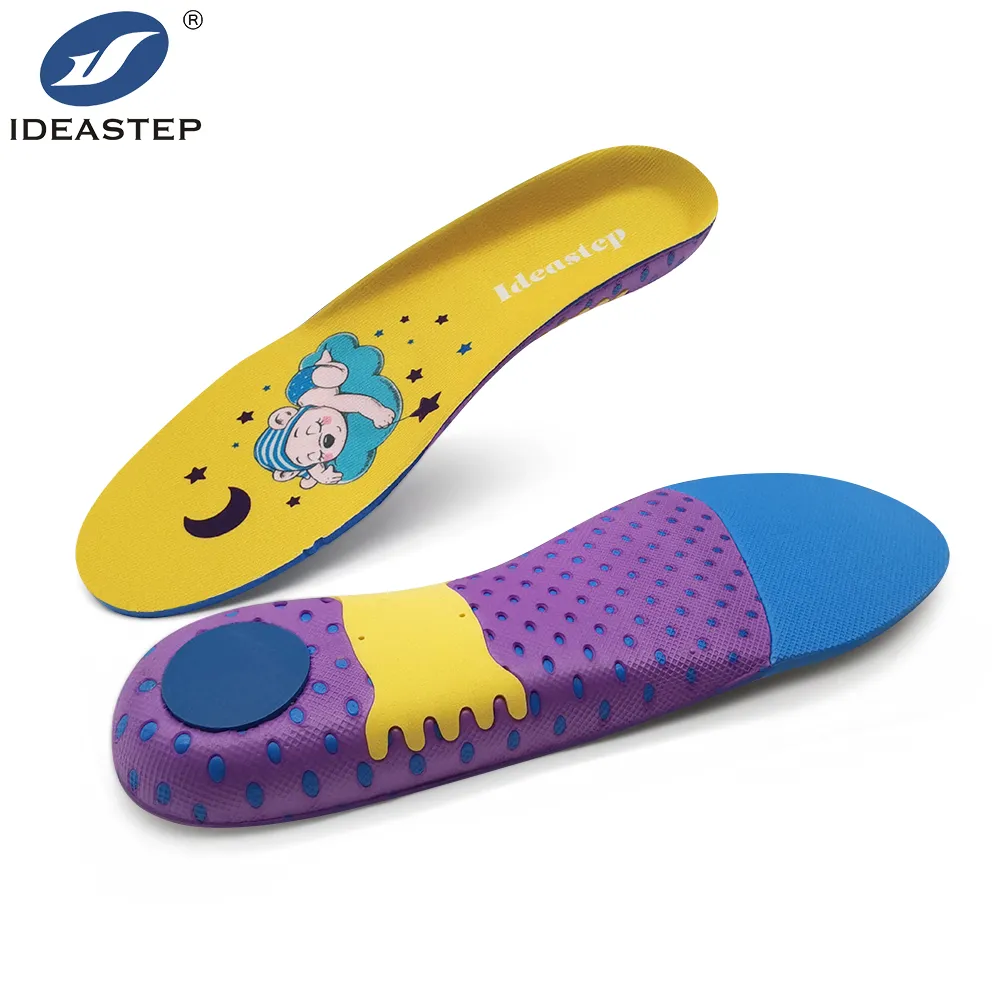
Why Kids Insoles Are More Important Than Adult Insoles
Children’s feet are still developing. During growth, the arch structure, bones, muscles, and ligaments continuously change. Without proper support, children may face long-term foot health issues.
- Flat feet development or worsening
- Foot fatigue and discomfort
- Unstable walking posture
- Increased risk of sports injuries
- Improper biomechanical development
Proper kids insoles help support natural foot development, improve alignment, and enhance comfort during daily activities. For brands, this is also a key driver behind the growing demand in the children’s footwear market.
Types of Kids Insoles in the Market
Arch Support Insoles
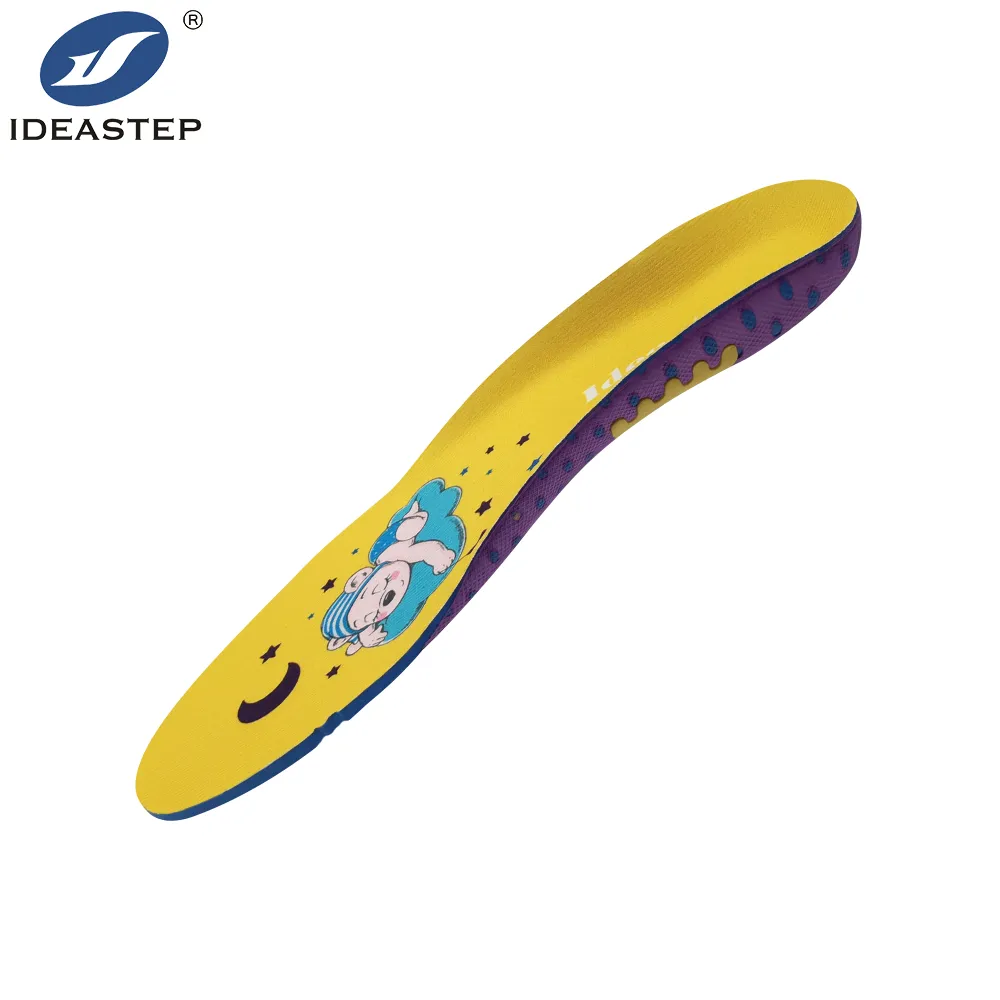
Arch support insoles are the most commonly requested category in the market. They are designed to stabilize the foot structure and distribute pressure evenly.
- Support the arch structure
- Improve pressure distribution
- Reduce foot fatigue
- Enhance walking stability
These insoles are widely used in school shoes, casual shoes, and everyday footwear.
Shock Absorbing Sports Insoles
For active children, cushioning performance is essential. These insoles are designed to absorb impact during running and jumping.
- EVA foam materials
- PU foam structures
- High-rebound composite materials
Key benefits include impact reduction, joint protection, and improved comfort during sports activities.
Orthotic Kids Insoles
Orthotic insoles are designed for children with specific foot conditions such as flat feet, high arches, or gait abnormalities.
- Flat feet correction support
- Foot alignment improvement
- Medical or clinical recommendations
This category is widely used by podiatry clinics, rehabilitation centers, and medical distributors.
Toddler Walking Insoles
Designed for early-stage walkers, these insoles focus on gentle support and natural foot development.
-
- Lightweight structure
- Soft cushioning
- Breathable materials
- Natural gait guidance
They are commonly used in toddler shoes and early-childhood footwear brands.
Key Factors to Evaluate High-Quality Kids Insoles
1. Safe and Eco-Friendly Materials
Material safety is a top priority for children’s products. High-quality insoles typically use non-toxic and environmentally friendly materials.
- EVA foam with certified safety standards
- Medical-grade PU materials
- Eco-friendly TPU components
- Breathable antibacterial fabrics
Compliance with international standards such as REACH, RoHS, CPSIA, and OEKO-TEX is essential for global markets.
2. Scientific Foot Support Design
High-performance kids insoles must balance comfort and functional support, including:
- Arch support structure
- Heel stabilization
- Forefoot cushioning
- Pressure distribution optimization
A well-designed insole helps promote healthier gait development in growing children.
3. Breathability and Antibacterial Performance
Children are highly active, which makes moisture control important.
- Moisture-wicking fabrics
- Ventilation hole designs
- Antibacterial surface treatment
These features help reduce odor, improve hygiene, and enhance wearing comfort.
4. Long-Term Durability
Kids insoles must withstand daily running, jumping, and high activity levels.
- Compression testing
- Flexibility testing
- Wear resistance testing
- Rebound performance testing
Durability ensures consistent support over extended use periods.
Manufacturing Standards for Kids Insoles (B2B Perspective)
Raw Material Quality Control
All materials must pass strict inspection before production, including:
- Density testing
- Hardness (Shore A) testing
- Rebound performance testing
- Antibacterial testing
- Environmental compliance checks
Foot Data and Product Development
Advanced manufacturers use technologies such as:
- 3D foot scanning systems
- Plantar pressure analysis
- CAD-based digital modeling
These technologies enable customized and ergonomically optimized insole designs.
Production Process Control
Modern manufacturing processes include:
- CNC precision cutting
- Thermoforming processes
- Automated shaping systems
- Manual finishing and trimming
These ensure consistency in mass production and high product accuracy.
Finished Product Inspection
Before shipment, each batch undergoes strict quality testing:
- Dimensional accuracy inspection
- Support performance testing
- Durability testing
- Appearance inspection
- Packaging verification
This reduces defect rates and improves customer satisfaction.
How to Choose a Reliable Kids Insoles OEM Manufacturer
For B2B buyers, choosing a supplier is not only about price—it is about long-term reliability and product consistency.
- ISO 9001 and ISO 13485 certified quality systems
- Strong R&D and product development capabilities
- OEM & ODM customization experience
- Stable production capacity and on-time delivery
- International market experience and compliance knowledge
A qualified manufacturer can help brands reduce risk, improve product competitiveness, and expand market share.
Future Trends in Kids Insoles Market
- Customized and personalized insoles
- Smart insoles with pressure sensors
- Eco-friendly and sustainable materials
- Medical-grade orthotic solutions
- Multi-functional performance insoles
These trends indicate a shift toward higher-value, technology-driven products in the children’s footwear industry.
Conclusion
There is no single definition of the “best kids insoles,” as requirements vary by age, foot condition, and usage scenarios. However, high-quality insoles must combine safety, functional support, comfort, and durability.
For brands, distributors, and medical suppliers, working with an experienced OEM/ODM manufacturer with strong quality control systems and international certifications is essential for long-term success.
Ultimately, professionally designed and well-manufactured kids insoles not only improve comfort but also support healthy foot development and strengthen brand competitiveness in the global market.