Introduction
Footwear brands, medical distributors and podiatry clinics regularly integrate cooling fabric insoles into seasonal and performance-focused catalog lines. Many buyers, however, prioritise surface texture and quoted low pricing without validating fabric functional performance, substrate bonding compatibility, and cross-batch consistency. For orthotic products, the topsheet fabric directly impacts end-user comfort, clinical acceptance, and long-term product returns. This guide draws on our insole manufacturing experience to outline actionable material selection criteria and bulk sourcing controls for your orthotic product portfolio.
Core Cooling Fabric Options For Insole Topsheets
Not all breathable fabrics deliver reliable thermal or moisture management. Microfiber mesh is the most widely used entry-grade option, designed for consistent airflow and cost efficiency, suitable for high-volume retail SKUs. Coolmax-style polyester wicking blends lift perspiration away from the plantar surface and spread moisture across the fabric to accelerate evaporation, making them well suited for occupational and athletic footwear ranges. Bamboo-infused fabrics combine breathability with inherent odour suppression, a practical selling feature for wellness and clinic-facing product lines. Phase-change material (PCM) coated textiles represent the premium tier; these absorb excess heat to stabilise foot temperature, though they carry higher raw material costs and longer production lead times.
Each fabric carries distinct limitations. Thin mesh may pill under repeated friction, while functional coated fabrics can degrade in moisture management performance after repeated cleaning. Aligning fabric grade with your target distribution channel reduces avoidable complaints from your reseller and clinic partners.
Fabric And Substrate Compatibility
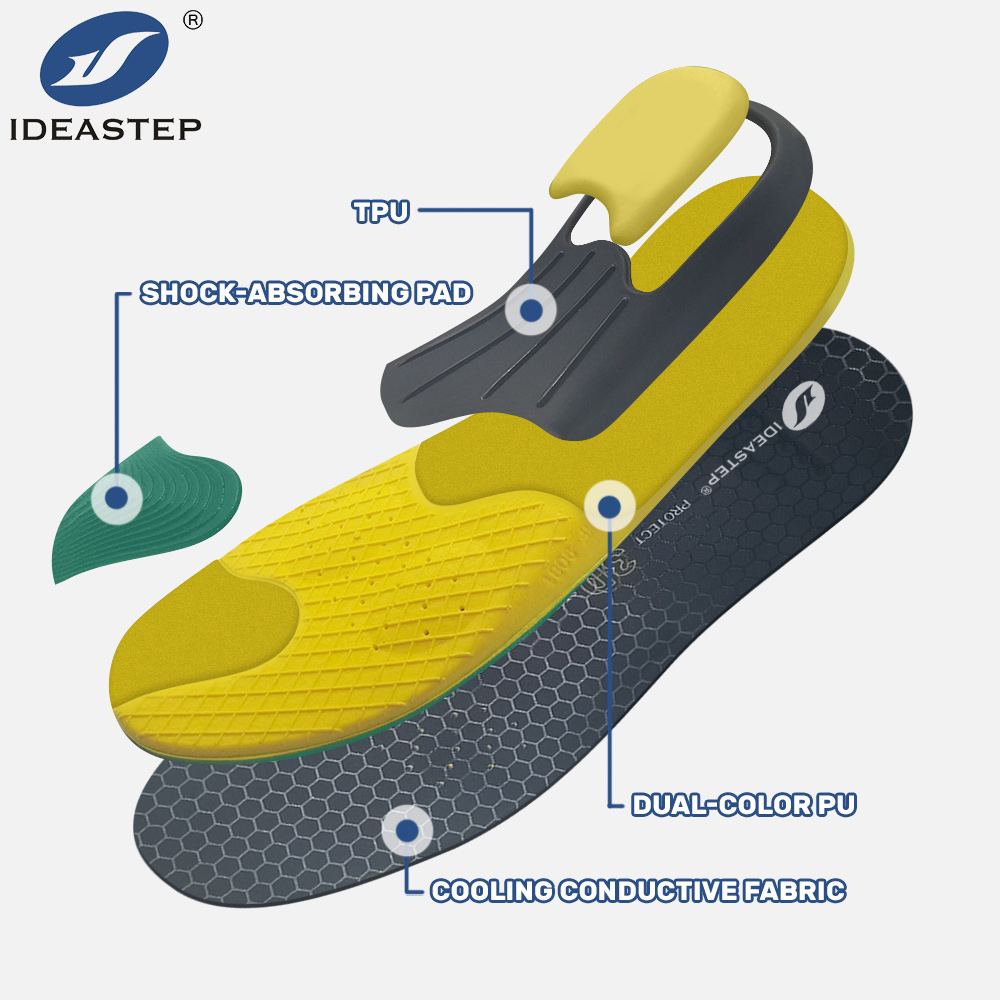
A high-performance cooling fabric will fail to deliver its intended benefit if poorly bonded to the orthotic base. Our standard lamination processes use controlled heat bonding or medical-grade adhesive to attach topsheets to EVA, PU or TPU substrates. Before approving a new fabric combination, we test for delamination under cyclic load, a critical check for insoles worn for extended daily periods or in consistently humid environments. Fabric stretch and shrinkage also require validation. Topsheets that shift or distort after lamination alter arch geometry and compromise the fit of corrective orthotics. We lock lamination parameters per fabric specification to preserve arch shape and trim consistency across large production runs.
Performance Testing You Should Request Before Bulk Orders
Claims of cooling or breathability require supporting test documentation for B2B medical and distribution sales. Responsible suppliers should provide reports covering air permeability, moisture wicking rate, and colour fastness. For medical or occupational product lines, add antimicrobial and odour-resistance testing to your approval checklist. These records support compliance reviews, clinic tender submissions and EU market entry requirements. We also recommend field wear trials across the footwear styles your customers supply, including safety boots and running footwear, to assess friction, durability and fabric breakdown under real-world conditions.
OEM And Private Label Customisation For Cooling Fabric Insoles
These insoles support flexible branding and structural adjustments to match your existing product range. You may specify fabric colour, weave density, surface texture, embossed logos or direct printed branding on the topsheet. Arch support, heel cup depth and insole length profiles can be adjusted while retaining the same approved cooling fabric layer, helping you build a cohesive SKU family. Fabric swatch confirmation precedes formal sampling, so your team can verify hand feel and thermal performance before approving mass production.
Bulk Supply Risks To Watch
Specialised functional cooling fabrics often face yarn supply volatility. Some performance textiles require large minimum fabric roll orders, which can restrict flexibility for small pilot batches. Clarify whether the quoted fabric is certified branded performance textile or an unvalidated generic alternative; the performance gap between these two is significant. Suppliers that swap fabric grades mid-run without prior approval create inconsistent stock that undermines your brand reputation. We recommend locking fabric specs, approved swatch references and batch traceability requirements directly into purchase terms.
How This SKU Fits Your Orthotic Portfolio
Cooling fabric insoles complement, rather than replace, your corrective orthotic lines. They work well as an add-on comfort upgrade for patients prone to excessive plantar sweating, or as a standalone seasonal SKU for sports and workwear distributors. The fabric upgrade gives your sales team a clear upsell option for standard orthotics, supporting steady repeat purchasing through warmer months.
FAQ
What is the most durable cooling fabric for orthotic insoles in bulk orders?
For balanced durability and cost, heavy-duty microfiber mesh is the most reliable choice for high-volume runs. PCM coated fabrics offer superior temperature control but are less resistant to heavy abrasion and repeated washing. Your selection should match the end application, whether for clinic, workwear or athletic use.
Can cooling fabric topsheets be laminated to rigid orthotic shells?
Yes. Cooling fabrics can be bonded to EVA, PU and TPU rigid shells. The key is validating lamination adhesion and thermal stability during testing, to prevent delamination even when the orthotic undergoes regular flexing under load.
Do cooling fabric insoles require separate compliance documentation for EU clinic sales?
If marketed as medical orthotics, they need full traceability, test reports and CE documentation. When sold as comfort footwear accessories, compliance requirements are less stringent. We advise separating product claims and documentation for your different catalog tiers.
Can I keep the same orthotic base and only swap the topsheet to cooling fabric?
In most cases this is feasible. Still, you need to recheck thickness, shoe fit and lamination performance. A thicker cooling fabric may change in-shoe clearance, which matters for 3/4 length and high arch orthotic designs.
What is the typical lead time for custom private label cooling fabric insoles?
Lead time depends on fabric availability. Standard mesh options usually ship faster. Specialty PCM or branded wicking fabrics often have longer fabric roll lead times, so we suggest confirming stock availability before locking in your production schedule.
Conclusion
Successful sourcing of cooling fabric insoles relies on evidence-based fabric selection, validated lamination performance and strict bulk material consistency controls. Understanding the trade-offs between basic mesh, moisture-wicking blends and PCM textiles allows you to build tiered product pricing that serves clinics, retail partners and footwear brands alike. Reach out to request fabric swatches, full test reports and production samples for your upcoming product launch.
Related Reading:
Cooling Conductive Fabric Insoles for OEM Insole Manufacturers
Cooling Fabric Insoles: Breathable Materials and Moisture Management in Insole Design