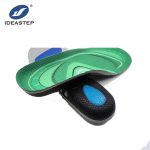
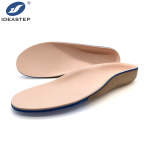
Custom insole development requires coordination between footwear requirements, structural design, material selection, and manufacturing processes. Running shoes, work boots, casual footwear, and orthopedic shoes each have different requirements for cushioning, flexibility, support, and internal fit.
For footwear brands and wholesale buyers, the development process starts with defining the application and translating its requirements into measurable product specifications.
1. Define the Footwear Application
The target footwear category determines the main design requirements and material choices.
- Sports footwear: Requires a balance of cushioning, flexibility, structural support, and low weight.
- Work and safety footwear: Prioritizes durability, dimensional stability, and compatibility with protective components.
- Casual footwear: Often requires lightweight construction, cushioning, and controlled thickness to fit limited internal space.
- Orthopedic footwear: May require specific arch profiles, heel cup geometry, and controlled structural stiffness.
- Medical and diabetic footwear: May require defined pressure-management features, suitable top-cover materials, and carefully specified construction. Performance claims should be supported by appropriate testing.
These requirements form the basis for insole geometry, material specifications, and prototype development.
2. Establish the Insole Structure
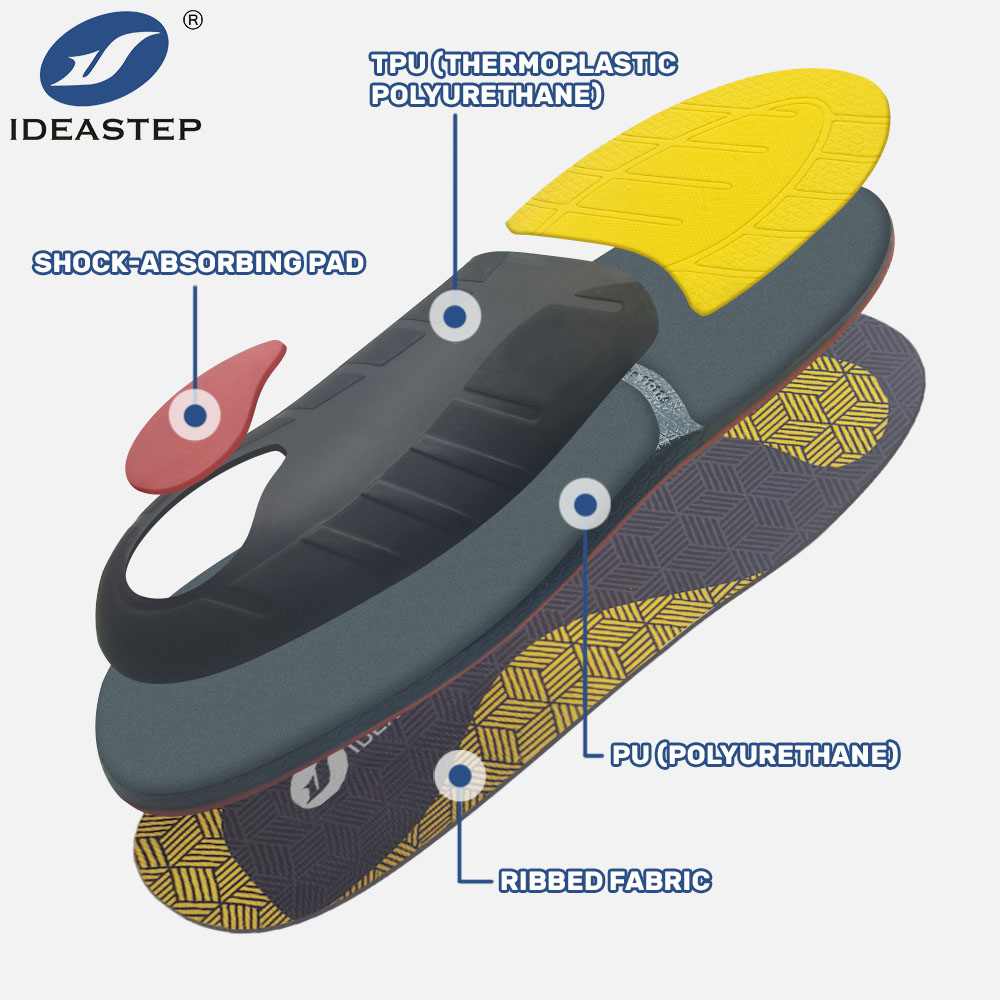
Once the application is defined, manufacturers can determine the insole profile, component layout, and dimensional requirements.
Arch Profile
Arch height, width, and contour determine the midfoot support geometry. Specifications should reflect the intended design and its relationship with the shoe’s internal shape.
Heel Cup
Heel cup depth, width, and wall geometry influence rearfoot positioning and compatibility with the shoe’s heel counter.
Forefoot Construction
Forefoot thickness and flexibility should match the footwear’s bending characteristics. The design must also preserve sufficient toe-box clearance.
Overall Thickness and Size Grading
Insole dimensions must correspond to the shoe last and available internal volume. Size grading should maintain consistent structural proportions across the product range.
3. Select Materials for the Intended Application
Material selection affects cushioning, weight, flexibility, support, and durability. Custom insoles often combine multiple materials to meet specific structural requirements.
| Material | Main Properties | Typical Applications |
|---|---|---|
| EVA foam | Lightweight, adjustable hardness and density | Sports, casual, and orthotic insoles |
| PU foam | Cushioning and resilience | Comfort layers and multilayer constructions |
| TPU | Elasticity, mechanical strength, and abrasion resistance | Flexible support components |
| Thermoplastics | Adjustable stiffness and formability | Semi-rigid and rigid support shells |
| Carbon fiber | High stiffness and low weight | Specialized performance and support structures |
| Mesh and fabric | Textile surface and different airflow characteristics | Insole top covers |
| Leather and microfiber | Surface finish and material durability | Premium and specialty footwear |
Material combinations should be evaluated as complete constructions. Layer thickness, adhesive compatibility, and bonding strength can all affect finished-product performance.
For example, an EVA base can provide a lightweight foundation, while TPU or thermoplastic components reinforce selected areas. Mesh, microfiber, or leather can serve as the top-cover material.
4. Adapt the Design to Different Footwear Categories
Each footwear category requires a construction suited to its mechanical demands and internal dimensions.
Sports and Running Shoes
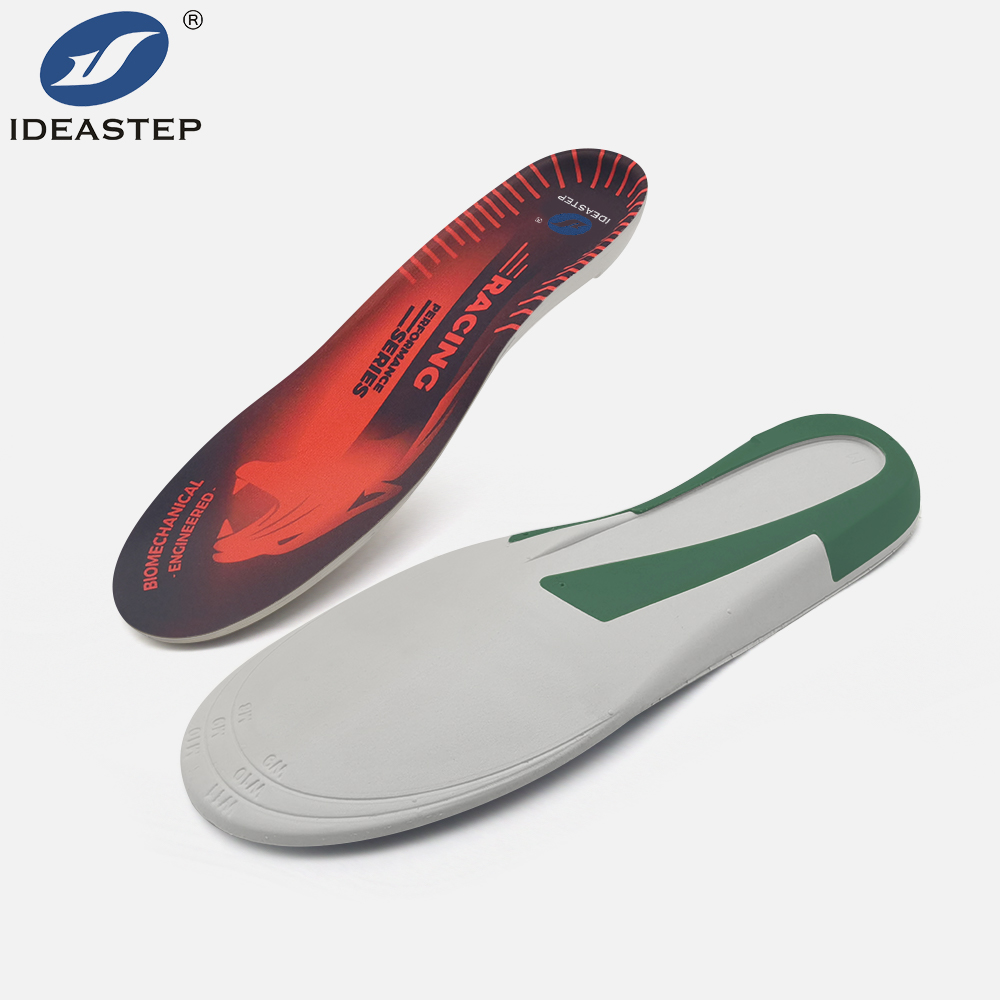
Key design considerations include forefoot flexibility, heel and arch structure, cushioning density, overall weight, and compatibility with outsole geometry.
The insole should complement the shoe’s bending characteristics rather than introduce unnecessary stiffness or thickness.
Work and Safety Shoes
Work footwear may require greater resistance to repeated mechanical loading and wear. Manufacturers should consider durable base materials, cushioning thickness, heel and arch structure, and compatibility with protective footwear components.
Any insole modification must also be evaluated against applicable footwear certification requirements.
Casual Footwear
Limited internal volume makes thickness and component integration particularly important. Lightweight EVA and PU constructions are common options, with top-cover and support features adjusted to the shoe design.
Orthopedic and Specialty Footwear
These projects may require customized arch profiles, defined heel cup geometry, controlled shell stiffness, and targeted cushioning zones. Detailed specifications and prototype evaluation are essential to achieving the intended construction.
5. Prototype Development and Sample Approval
Prototype development verifies whether the proposed design meets the footwear and material requirements before bulk production.
A typical process includes:
- Specification review: Confirm footwear category, shoe dimensions, materials, thickness, and structural requirements.
- Design development: Finalize the insole profile, component layout, and material combination.
- Sample production: Manufacture prototypes using the agreed specifications and processing methods.
- Fit evaluation: Check heel positioning, arch profile, forefoot clearance, thickness, and compatibility with the target shoe.
- Design revision: Adjust dimensions, material hardness, component geometry, or bonding methods where necessary.
- Sample approval: Confirm the final construction and inspection criteria before mass production.
Evaluating samples inside the target footwear model helps identify fitting conflicts that may not appear during standalone insole inspection.
6. Manufacturing Processes and Quality Control
Production methods depend on the material and construction. Common processes include foam cutting, CNC machining, molding, thermoforming, lamination, and surface bonding.
Manufacturers should establish process controls and inspection standards for each production stage.
| Quality Control Area | Key Inspection Requirements |
|---|---|
| Dimensions | Length, width, thickness, and size grading |
| Material properties | Hardness and density |
| Structural geometry | Arch profile, heel cup, and forefoot shape |
| Bonding | Adhesion between layers and component stability |
| Surface quality | Top-cover alignment, wrinkles, and finishing |
| Mechanical performance | Flexibility, compression, and durability |
| Batch consistency | Material and dimensional variation |
Inspection criteria should be defined during development and applied consistently to approved samples and bulk production.
7. OEM and ODM Requirements for Custom Insole Projects
A clear technical brief helps footwear brands, orthotic manufacturers, and wholesale distributors coordinate development with their insole supplier.
Important project information includes:
- Target footwear category and application
- Shoe last dimensions or reference samples
- Required insole length, width, and thickness
- Arch and heel structure specifications
- Material preferences and hardness requirements
- Top-cover and surface finish
- Expected order quantities
- Sample approval and production requirements
OEM projects generally follow customer-provided drawings, specifications, or reference samples. ODM projects may also involve structural design, material recommendations, and construction development.
Manufacturing partners should be able to support material selection, prototype production, design adjustments, and bulk quality control.
Conclusion
Custom insole development depends on the relationship between footwear requirements, structural geometry, material properties, and manufacturing methods. Sports, work, casual, and orthopedic footwear each require different specifications for thickness, flexibility, support, and durability.
Defining these requirements early and validating them through prototype testing helps reduce production revisions and maintain consistency during bulk manufacturing. A structured development process also provides a reliable foundation for expanding custom insole designs across different footwear collections.
Related Reading:
Custom Foot Insoles for Brands, Clinics and OEM Projects
Custom Foot Insoles for Wholesale Buyers: Turning Product Requirements into Bulk Orders