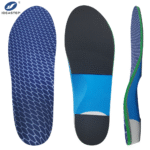
In orthotic insole OEM projects, price is rarely the deciding factor. Most global brands tend to focus more on production consistency, material behavior, and long-term functional stability. This is especially true in orthotic products, where small variations in structure or density can directly affect comfort and corrective performance.
Over the years of working with different footwear and medical-related brands, we’ve seen a common pattern: many suppliers can deliver acceptable samples, but only a few can keep the same performance level when production scales up. That gap is usually where OEM partnerships are decided.
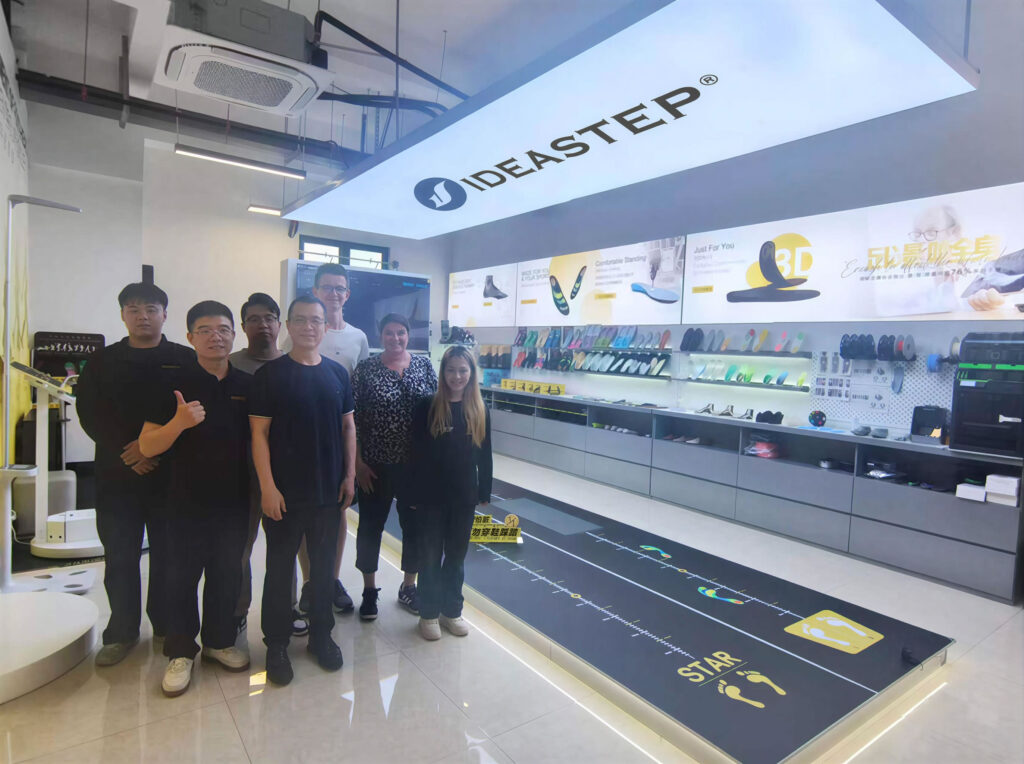
What Makes a Reliable Orthotic Insole OEM Partner?
In real OEM projects, reliability is rarely judged by production capacity alone. Global brands usually evaluate whether a supplier can maintain stable material performance and consistent product behavior across large production runs.
In practice, many suppliers are capable of developing samples, but fewer can maintain the same level of consistency when moving into mass production. This is often where long-term cooperation becomes either stable or problematic.
Core Manufacturing Strength in Orthotic Insole Production
Material Engineering Capability
Orthotic insoles depend heavily on controlled material systems such as EVA, PU, memory foam, and multi-layer composites. In production, density and hardness adjustment is not just a specification change, but a functional tuning process that affects cushioning and support behavior.
Biomechanical Design Support
Orthotic products are closely related to foot biomechanics. Arch support design, pressure distribution, and gait alignment are usually adjusted based on different user groups and application scenarios such as sports, medical use, or long-hour standing work environments.
OEM and ODM Development Flexibility
In most projects, development does not follow a fixed path. Brands often start from a concept or sample, then go through several rounds of adjustment before reaching a stable structure suitable for mass production.
Why Global Brands Prefer Our OEM Services
Global brands usually do not switch OEM partners unless there are repeated issues in production stability or material inconsistency. Once a supplier can maintain predictable performance at scale, long-term cooperation becomes the natural choice.
The key factor is not whether a product works in a sample stage, but whether it performs the same way after thousands or even millions of units are produced. That level of consistency is what defines a stable OEM relationship in the orthotic insole industry.
Orthotic Insole OEM Customization Options
Material Selection
Common material systems include EVA, PU, memory foam, TPU, and multi-density hybrid structures. The selection depends on whether the final product prioritizes cushioning, support, durability, or a balanced combination of these properties.
Arch Support Design
Arch support levels are typically adjusted according to target users. Sports insoles, medical orthotics, and daily comfort insoles often require different structural designs rather than a single standard shape.
Density and Hardness Adjustment
Density and hardness tuning is one of the most important steps in orthotic insole development. It directly affects how the insole responds under pressure and how it supports the foot during movement.
Surface and Structural Configuration
Surface materials and internal structures can be modified based on application requirements, including textile lamination, anti-slip layers, moisture control surfaces, and multi-layer cushioning systems.
Our OEM Production Process: From Concept to Mass Production
Requirement Understanding
Each project starts with understanding the target market, usage environment, and performance expectations. This step defines the direction of the entire development process.
Sample Development
Initial samples are produced to evaluate structure, comfort, and biomechanical response. In most cases, the first version is only a starting point rather than a final solution.
Material and Structure Adjustment
Based on testing feedback, adjustments are made to material density, hardness, and structural layering. This stage often involves several iterations before reaching a stable design.
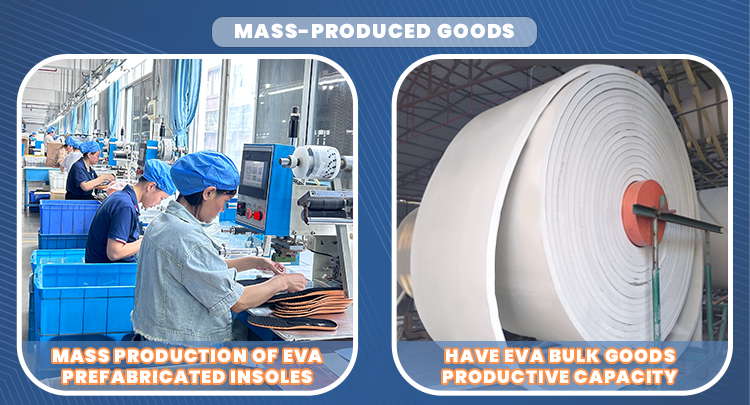
Mass Production Control
Once confirmed, production moves into scaled manufacturing with process monitoring to keep batch-to-batch variation within acceptable limits.
Quality Control in Orthotic Insole Manufacturing
Quality control is not treated as a final inspection step. In most production workflows, checks are carried out throughout the process, especially during material preparation, molding, and compression stages.
This multi-stage approach helps reduce variation and ensures that final products maintain consistent performance across large production volumes.
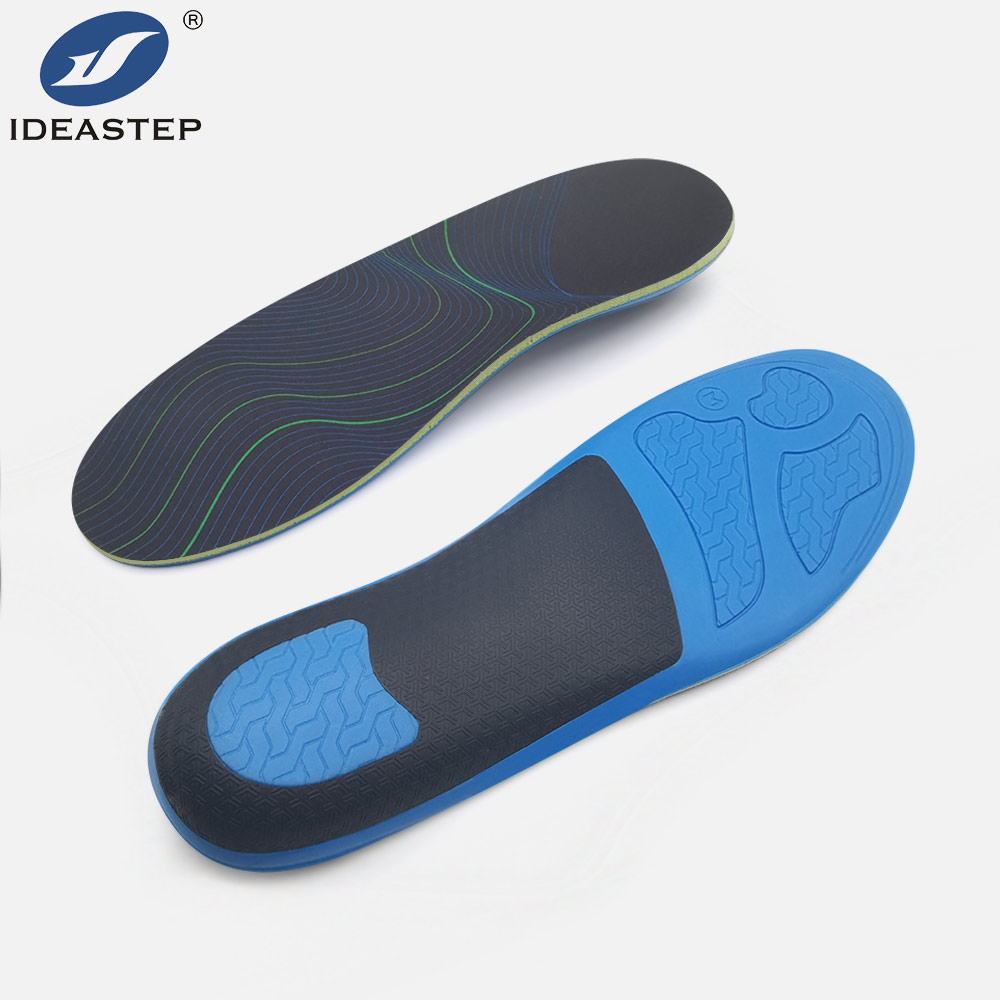
Industries We Serve
Medical and Orthopedic Sector
Orthotic solutions designed for corrective support, rehabilitation, and pressure distribution improvement in clinical or medical-related applications.
Sports Footwear Brands
Performance insoles focused on shock absorption, energy return, and stability during athletic movement.
Work Safety Footwear Manufacturers
Durable insole systems designed for long-hour standing environments and heavy-duty occupational use.
Retail and Private Label Brands
OEM solutions for branded product lines with scalable production capacity and consistent quality output.
Why Specialized Orthotic Manufacturers Perform Better Than General Foam Suppliers
Orthotic insole manufacturing requires both material knowledge and biomechanical understanding. General foam suppliers usually focus on material processing, while specialized manufacturers focus on how the product behaves during actual use.
This difference becomes more obvious in mass production, where even small inconsistencies in material behavior can affect user experience and product reliability.
Conclusion
In orthotic insole OEM manufacturing, long-term partnerships are usually built on stable production performance and predictable material behavior rather than short-term pricing advantages.
Global brands choose partners who can keep product performance consistent from sampling to mass production, while also supporting continuous optimization based on real application feedback.