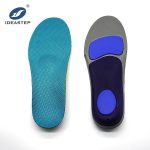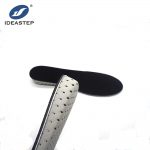
Orthopedic insoles are designed based on the principles of foot biomechanics. Their primary purpose is to improve foot function by optimizing pressure distribution, supporting natural alignment, and reducing excessive stress caused by abnormal foot movement.
The human foot is a complex structure made up of bones, joints, muscles, and ligaments. When the foot structure becomes imbalanced, it can affect the way forces are transferred throughout the lower body, potentially leading to discomfort and movement problems.
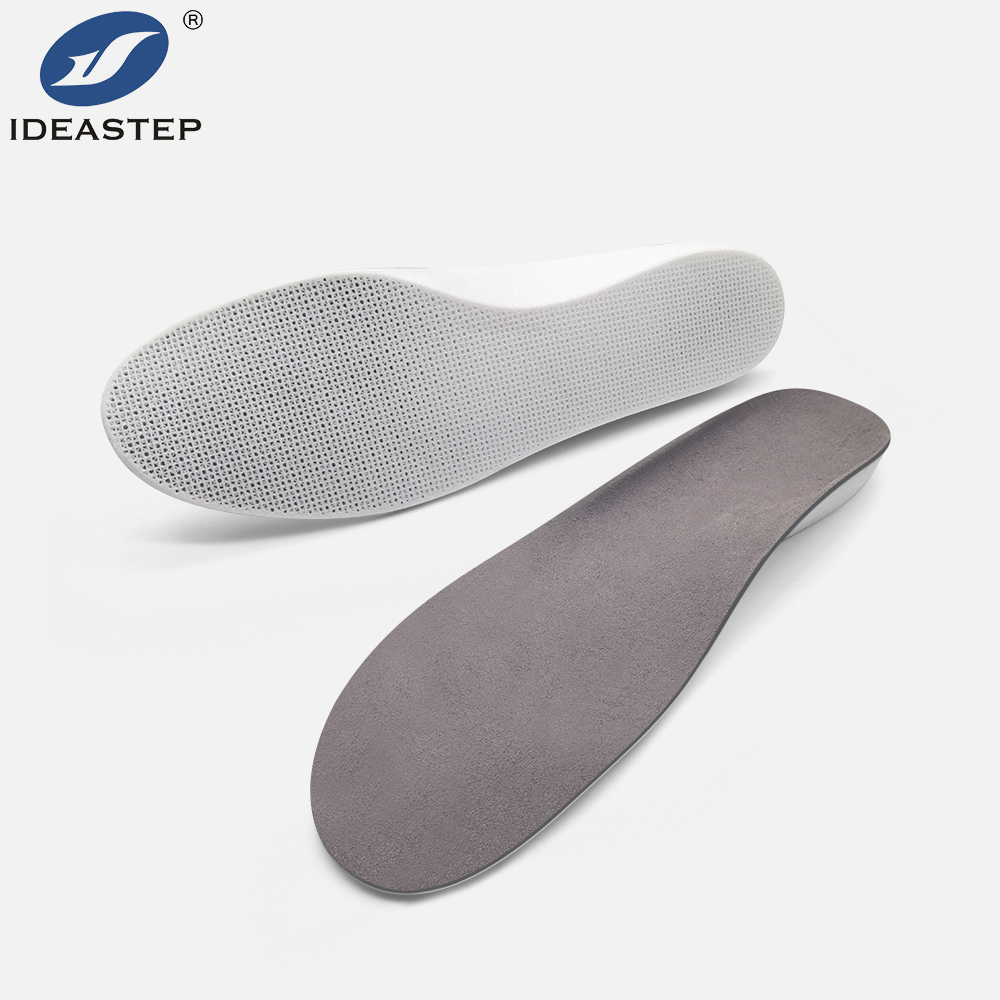
The Role of Foot Biomechanics in Orthopedic Insoles
Every step we take creates a chain reaction of forces from the feet through the ankles, knees, hips, and spine. Ideally, these forces should be evenly distributed to maintain efficient movement.
However, problems such as excessive pronation, supination, or poor foot alignment can change the natural load-bearing pattern of the feet. Over time, uneven pressure distribution may contribute to discomfort, fatigue, and abnormal wear patterns in footwear.
Orthopedic insoles work by helping to restore a more balanced support structure under the feet. Through specific design features such as arch support, heel stabilization, cushioning zones, and pressure redistribution areas, they help guide the foot into a more efficient position during standing and walking.
How Orthopedic Insoles Help Correct Foot Imbalance
Foot imbalance can occur for many reasons, including genetics, injury, muscle weakness, improper footwear, or long-term abnormal walking patterns.
For example:
- Overpronation: Excessive inward rolling of the foot may increase stress on the arch, ankle, and lower limbs.
- Supination: Excessive outward movement of the foot may reduce shock absorption and increase pressure on the outside edge of the foot.
- Flat feet: Reduced arch support can affect overall foot stability and weight distribution.
- Uneven pressure points: Concentrated pressure under specific areas of the foot may cause discomfort during prolonged standing or walking.
By providing targeted support, orthopedic insoles can help improve foot positioning and reduce unnecessary strain on certain areas. For individuals requiring specific correction, custom orthotic insoles can be designed according to foot shape, pressure analysis, and individual biomechanical needs.
Key Design Principles of Orthopedic Insoles
1. Pressure Redistribution
One of the most important functions of orthopedic insoles is distributing pressure more evenly across the foot. Proper pressure management can help reduce excessive loading in areas such as the heel, forefoot, or arch.
2. Arch Support and Stability
The arch plays an important role in absorbing impact and supporting body weight. Orthopedic insoles provide appropriate arch support to help maintain foot stability and improve walking efficiency.
3. Heel Control and Cushioning
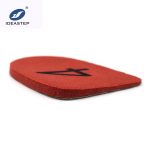
The heel absorbs a significant amount of impact during daily activities. A well-designed orthopedic insole combines heel stabilization and cushioning materials to improve comfort and reduce shock transmission.
4. Individualized Foot Support
Because every person’s foot structure and movement pattern are different, orthopedic insoles are often customized based on specific requirements. Material selection, hardness, arch height, and support structure can all be adjusted to meet different applications.
Applications of Orthopedic Insoles
Orthopedic insoles are widely used in healthcare, sports, footwear, and occupational applications. They can provide support solutions for:
- People who spend long hours standing or walking.
- Athletes looking for improved comfort and foot stability.
- Individuals needing additional arch support.
- Footwear brands developing functional comfort products.
- Healthcare providers requiring customized foot support solutions.
Choosing the Right Orthopedic Insole Manufacturer
For businesses sourcing orthopedic insoles, selecting an experienced manufacturer is essential. A reliable supplier should have strong capabilities in material development, product customization, quality control, and OEM/ODM production.
Ideastep specializes in developing and manufacturing orthopedic insoles and customized foot support solutions. With experience in EVA, PU, TPU, and other functional materials, the company provides OEM and private-label services for distributors, healthcare companies, footwear brands, and professional organizations.
From material selection and structural design to mass production and packaging solutions, professional insole manufacturers help customers create products that meet different market requirements.
Conclusion
The principle of orthopedic insoles is based on improving foot biomechanics through better support, alignment, and pressure management. By addressing abnormal foot movement and uneven force distribution, well-designed insoles can enhance comfort and support during daily activities.
For businesses looking for reliable foot care solutions, working with an experienced orthopedic insole manufacturer can provide customized products that meet both performance and market demands.