In industries where employees spend long hours on their feet, footwear comfort is no longer considered a luxury—it has become an essential factor in workplace productivity, safety, and employee well-being. While safety shoes and work boots are designed to protect workers from external hazards, many models still fall short when it comes to long-term comfort and foot support.
As a result, more safety footwear brands, distributors, and occupational footwear manufacturers are turning to custom orthotic insoles as a practical solution to enhance product performance and meet growing market demand for ergonomic footwear.
Designed to provide targeted support, pressure redistribution, and shock absorption, custom orthotic insoles help transform standard work footwear into a more comfortable and supportive solution for workers across a wide range of industries.
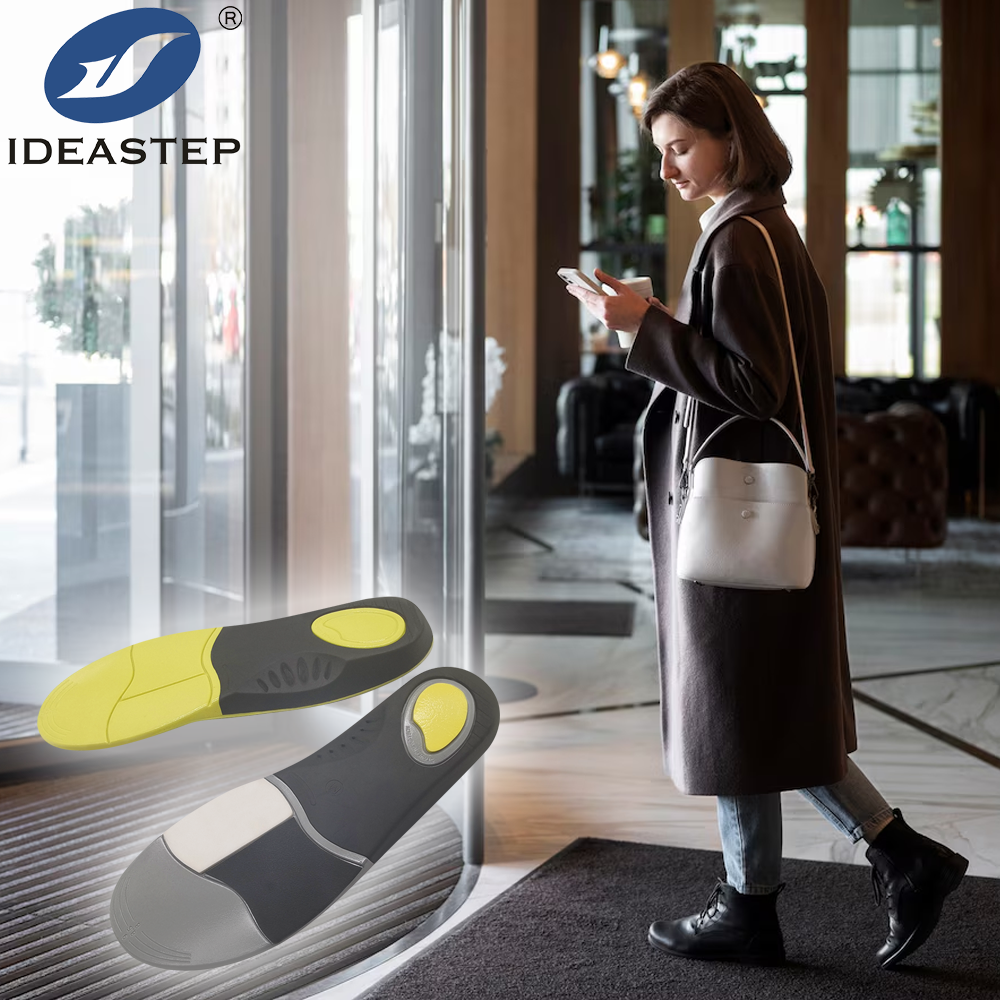
The Growing Demand for Orthotic Insoles in Occupational Footwear
Workers in construction, manufacturing, logistics, warehousing, mining, and energy sectors often spend eight to twelve hours a day standing, walking, climbing, or operating heavy equipment. These repetitive movements place significant stress on the feet, ankles, knees, and lower back.
Even the highest-quality safety boots can become uncomfortable when worn continuously under demanding conditions.
Common workplace challenges include:
- Foot fatigue after extended standing periods
- Heel pain and arch discomfort
- Pressure buildup on hard industrial flooring
- Joint strain caused by repetitive movement
- Reduced comfort in heavy-duty work boots
As employers and footwear brands place greater emphasis on workplace wellness and user experience, orthotic insoles have become an increasingly important component of modern safety footwear systems.
What Are Custom Orthotic Insoles?
Custom orthotic insoles are specially engineered inserts designed to improve foot alignment, provide structural support, and reduce excessive stress during daily activities.
Unlike conventional insoles that focus primarily on cushioning, orthotic insoles are developed to address biomechanical needs while improving overall foot function.
A properly designed orthotic insole can help:
- Support the natural arch of the foot
- Improve weight distribution
- Enhance stability and balance
- Reduce pressure concentration
- Absorb impact forces more effectively
- Promote long-term wearing comfort
For workers who rely on safety shoes every day, these benefits can make a noticeable difference in both comfort and performance.
Why Standard Insoles Are Often Not Enough
Many safety shoes are equipped with basic factory-installed insoles that provide limited cushioning and minimal structural support.
While these insoles may be suitable for short-term use, they often struggle to deliver consistent comfort under demanding workplace conditions.
Custom orthotic insoles offer several advantages over standard insoles:
Enhanced Arch Support
Proper arch support helps maintain natural foot alignment and reduces unnecessary strain on muscles and ligaments.
Improved Stability
Structural support features such as heel cups and arch reinforcement help keep the foot properly positioned inside the shoe.
Better Pressure Distribution
Orthotic designs spread body weight more evenly across the foot, reducing localized pressure points.
Long-Term Durability
Premium orthotic materials maintain their shape and performance longer than conventional foam inserts.
These advantages make orthotic insoles particularly valuable for occupational footwear applications where comfort and durability are critical.
Key Benefits of Orthotic Insoles for Safety Shoes and Work Boots
Reduced Fatigue During Long Work Shifts
One of the most common complaints among workers is foot fatigue after standing or walking for extended periods.
Custom orthotic insoles help reduce strain by supporting the foot’s natural structure and improving weight distribution.
The result is improved comfort throughout the workday and reduced physical exhaustion.
Superior Shock Absorption
Every step generates impact forces that travel through the body.
High-performance orthotic insoles incorporate cushioning materials that help absorb shock and reduce stress on:
- Feet
- Ankles
- Knees
- Hips
- Lower back
This benefit is particularly important for workers operating on concrete floors or other hard surfaces.
Improved Foot Alignment
Poor foot alignment can contribute to discomfort, instability, and repetitive stress injuries.
Custom orthotic insoles are designed to support proper positioning and movement, helping improve overall biomechanics.
Enhanced Workplace Comfort and Productivity
When workers are more comfortable, they are generally able to maintain focus and performance throughout their shifts.
Many employers and safety footwear brands view comfort improvements as a valuable investment in worker satisfaction and product differentiation.
Supporting Common Occupational Foot Conditions
Plantar Fasciitis
One of the most common causes of heel pain among workers.
Orthotic insoles help reduce tension on the plantar fascia by providing structured arch support and targeted cushioning.
Flat Feet
Workers with flat feet often experience excessive fatigue and instability.
Orthotic support helps improve alignment and pressure distribution.
High Arches
High arches can concentrate pressure on specific areas of the foot.
Customized support and cushioning help create a more balanced walking experience.
Overpronation
Excessive inward foot rolling can increase strain on joints and muscles.
Orthotic insoles help improve foot control and stability during movement.
Essential Design Features of High-Quality Orthotic Insoles
Arch Support System
Different users require different support levels.
- Low arch support
- Medium arch support
- High arch support
This ensures a more personalized fit and improved comfort.
Deep Heel Cup
A deep heel cup helps stabilize the rear foot and improve motion control.
- Improved balance
- Better foot positioning
- Reduced heel movement inside the boot
Advanced Cushioning Layers
Shock-absorbing layers play an important role in reducing impact forces.
- EVA foam
- Polyurethane (PU)
- Gel cushioning inserts
Breathable and Moisture-Management Top Covers
Long work shifts can create heat and moisture buildup inside footwear.
Breathable top fabrics help improve airflow while enhancing comfort and hygiene.
Choosing the Right Materials for Orthotic Insoles
EVA Orthotic Insoles
EVA remains one of the most widely used materials in the footwear industry.
- Lightweight construction
- Excellent cushioning
- Good energy return
- Cost-effective production
PU Orthotic Insoles
Polyurethane is known for its durability and long-lasting support.
- High compression resistance
- Extended service life
- Consistent cushioning performance
Multi-Layer Orthotic Insoles
Many premium solutions combine multiple materials to maximize performance.
- EVA support layers
- PU cushioning zones
- Antibacterial textile covers
Industries That Benefit Most from Orthotic Insoles
Construction
Construction workers face constant physical demands, uneven terrain, and prolonged standing.
Manufacturing
Factory workers often perform repetitive movements for extended periods.
Warehousing and Logistics
Warehouse employees frequently walk long distances throughout their shifts.
Mining and Energy
Harsh working environments require footwear systems that prioritize both protection and comfort.
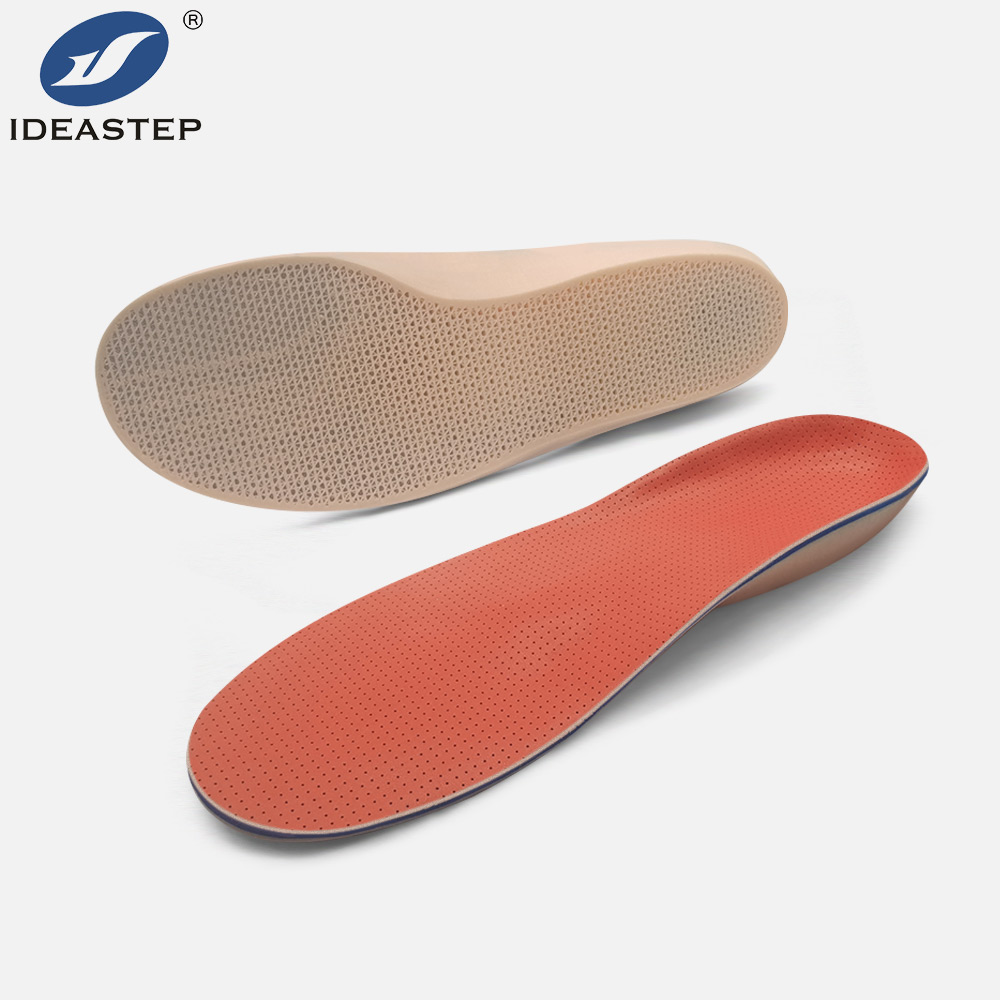
OEM and ODM Orthotic Insole Solutions for Footwear Brands
Custom Size Development
- Full-size ranges
- Regional sizing standards
- Special dimension requirements
Arch Support Customization
- Low arch designs
- Medium arch designs
- High arch designs
Material and Performance Customization
- EVA density options
- PU hardness options
- Cushioning performance adjustments
Private Label and Branding Services
- Logo printing
- Custom packaging
- Private label manufacturing
How to Select a Reliable Orthotic Insole Manufacturer
Product Development Capability
A qualified supplier should be able to provide engineering support and product optimization recommendations.
Manufacturing Capacity
Consistent production capability ensures stable lead times and reliable order fulfillment.
Quality Control Systems
Look for manufacturers that implement strict testing procedures and quality assurance standards throughout production.
International Market Experience
Manufacturers with extensive export experience are often better equipped to support global brands and comply with international requirements.
Why Orthotic Insoles Are Becoming a Standard Feature in Premium Safety Footwear
By integrating custom orthotic insoles into safety shoes and work boots, brands can:
- Improve user experience
- Increase product value
- Strengthen brand differentiation
- Reduce customer complaints
- Support worker health and wellness
Conclusion
Custom orthotic insoles for safety shoes and work boots offer far more than additional cushioning. They provide a practical solution for improving comfort, support, stability, and overall footwear performance in demanding work environments.
For footwear brands, distributors, and safety shoe manufacturers, investing in high-quality orthotic insole solutions can enhance product competitiveness while meeting the evolving needs of modern workers.
Whether the goal is improving workplace comfort, developing a premium footwear collection, or creating a differentiated OEM product line, custom orthotic insoles represent a valuable opportunity to deliver greater performance and long-term value to end users.
Expand more related content: 2026’s Best Custom Orthotic Insole Manufacturer