As consumer expectations continue to evolve, footwear brands face increasing pressure to deliver products that are lighter, more comfortable, and better performing than ever before. Whether developing running shoes, work boots, orthopedic footwear, or casual shoes, manufacturers must carefully select materials that balance performance, durability, and cost.
Among the many materials used in footwear today, EVA (Ethylene Vinyl Acetate) remains one of the most trusted choices for insole production. Its lightweight structure, cushioning properties, design flexibility, and manufacturing efficiency have made it an industry standard across a wide range of footwear categories.
For footwear manufacturers, designers, and OEM/ODM suppliers, understanding the advantages of EVA insoles can help support smarter product development decisions and create products that meet both market demand and performance expectations.
What Is an EVA Insole?
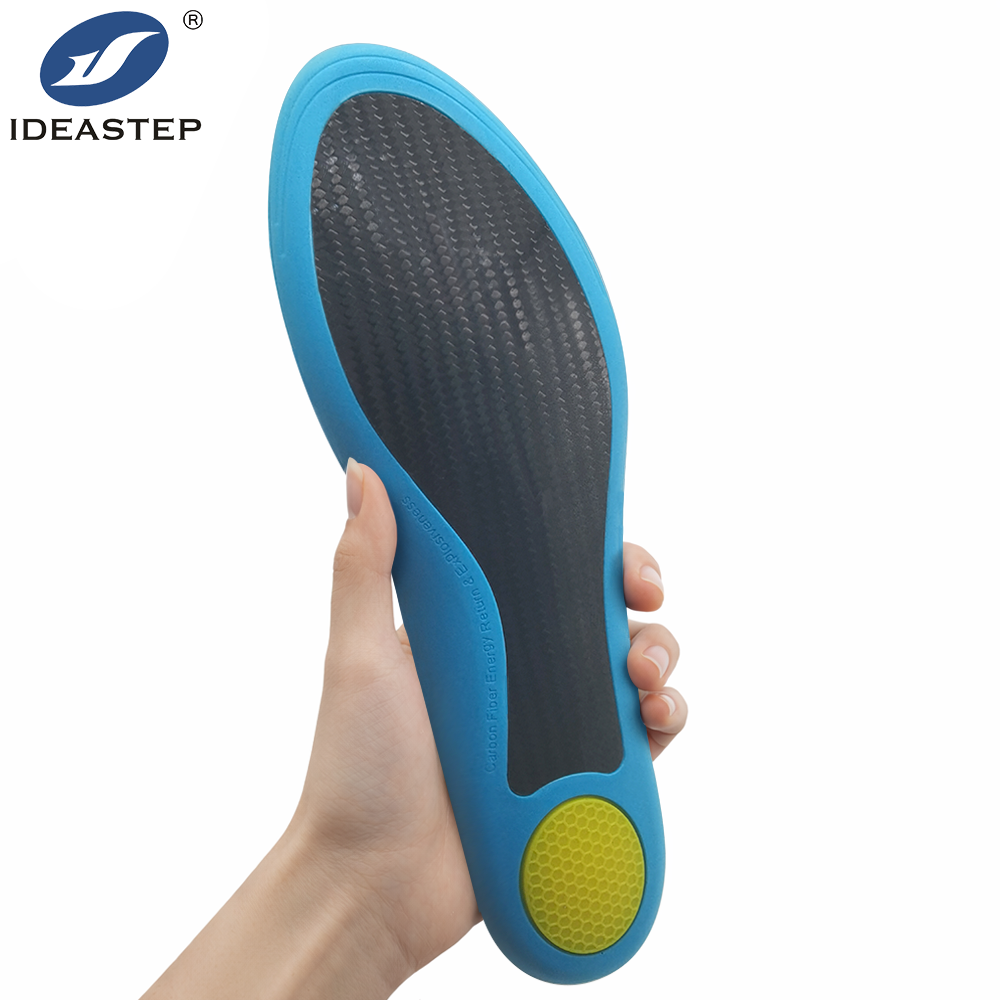
An EVA insole is made from Ethylene Vinyl Acetate foam, a lightweight polymer material widely used throughout the footwear industry. Its closed-cell foam structure provides an effective combination of cushioning, flexibility, and durability while maintaining a relatively low weight.
EVA insoles are commonly found in:
- Running shoes
- Athletic footwear
- Casual shoes
- Work boots
- Safety footwear
- Outdoor footwear
- EVA orthotic insoles
- Custom orthopedic footwear
Because EVA can be manufactured in different densities and hardness levels, it offers exceptional versatility for both standard and customized insole applications.
Why EVA Remains the Industry Standard
In many footwear development projects, EVA remains the first material considered during insole design.
From entry-level casual shoes to premium orthopedic products, designers often start with EVA because it offers predictable performance, flexible processing options, and reliable supply chain availability. While new foam technologies continue to enter the market, EVA still provides one of the best balances between comfort, durability, manufacturing efficiency, and cost control.
For footwear manufacturers, this combination reduces development risks while providing flexibility across multiple product categories.
Lightweight Performance Supports Modern Footwear Design
Lightweight construction has become a key objective for many footwear brands. Consumers increasingly associate lighter footwear with greater comfort, improved mobility, and better overall performance.
EVA’s low density allows manufacturers to reduce overall shoe weight without sacrificing cushioning or structural integrity. This advantage is particularly important in athletic footwear, work boots, and outdoor shoes, where excessive weight can contribute to fatigue during prolonged use.
For product designers, lightweight materials also create additional opportunities to incorporate supportive features without significantly increasing the final weight of the shoe.
Excellent Shock Absorption Improves Comfort
In footwear development, cushioning performance is often one of the first characteristics evaluated by both product teams and end users.
EVA’s foam structure helps absorb and disperse impact forces generated during walking, running, and standing. By reducing stress on the feet and lower limbs, EVA insoles contribute to improved comfort throughout the day.
This capability makes EVA particularly suitable for:
- Running shoes
- Training footwear
- Work boots
- Safety shoes
- Comfort footwear
- Orthopedic footwear
For brands seeking to improve product comfort without significantly increasing manufacturing costs, EVA remains a practical and proven solution.
Reliable Energy Return and Long-Term Resilience
Modern consumers expect more than soft cushioning. They also expect footwear to maintain comfort and responsiveness over time.
High-quality EVA materials provide a balance between cushioning and resilience. After compression, the foam recovers its shape quickly, helping preserve comfort during repeated use.
Recent advancements in high-rebound EVA and supercritical EVA technologies have further improved energy return performance. As a result, many footwear brands are incorporating advanced EVA formulations into premium product lines designed for sports and performance applications.
Flexible Material Options for Product Differentiation
One of EVA’s greatest strengths is its adaptability.
Manufacturers can adjust density, hardness, thickness, and color to meet the requirements of different footwear categories and target markets.
Examples include:
- Soft EVA for comfort-focused footwear
- Medium-density EVA for everyday shoes
- High-density EVA for support and stability
- Multi-layer EVA constructions for performance products
This flexibility allows footwear designers to create differentiated products while maintaining a familiar and reliable manufacturing process.
Easy Processing Helps Accelerate Product Development
Speed-to-market has become increasingly important for footwear brands operating in competitive global markets.
EVA is relatively easy to process using established manufacturing methods, allowing brands to move efficiently from concept development to mass production.
Common processing methods include:
- Compression molding
- Heat forming
- CNC cutting
- Die cutting
- Lamination
Because EVA is compatible with a wide range of production techniques, manufacturers can reduce development timelines and improve production efficiency.
Compatible with Advanced Insole Designs
Today’s footwear products often require multiple performance characteristics within a single insole system.
EVA integrates effectively with other materials such as:
- PU foam
- Gel inserts
- TPU components
- Carbon fiber supports
- Memory foam layers
This compatibility allows manufacturers to develop hybrid insole systems that combine cushioning, stability, arch support, and pressure redistribution.
As a result, EVA is widely used in:
- Custom EVA insoles
- EVA orthotic insoles
- Sports insoles
- Work boot insoles
- Diabetic footwear solutions
Cost-Effective for OEM and Large-Scale Production
Cost efficiency remains one of the primary reasons EVA continues to dominate the insole market.
Compared with many alternative materials, EVA offers a favorable balance between performance and affordability. This makes it suitable for both value-oriented and premium footwear programs.
Additional manufacturing advantages include:
- Consistent material quality
- Efficient production processes
- Low waste rates
- Scalable manufacturing capacity
- Reliable sourcing options
For companies seeking an EVA insole manufacturer or EVA insole supplier, these factors can significantly improve profitability and supply chain efficiency.
Ideal for OEM and ODM Customization
Private-label and custom footwear programs continue to expand worldwide.
EVA insoles can be customized in numerous ways, including:
- Logo embossing
- Laser engraving
- Custom colors
- Density adjustments
- Fabric top covers
- Custom packaging
These customization options allow footwear brands to strengthen their identity while creating products tailored to specific market segments.
Current Trends Driving Demand for EVA Insoles
Several industry trends continue to support demand for EVA-based insole solutions.
Consumers are increasingly seeking lightweight and comfortable footwear, while brands are under pressure to improve product performance without significantly increasing production costs. At the same time, demand for custom orthotic insoles, work boot comfort solutions, and sustainable footwear materials continues to grow.
These trends have encouraged footwear manufacturers to adopt advanced EVA formulations that offer improved rebound, durability, and environmental performance.
As sustainability and customization become increasingly important, EVA continues to evolve alongside changing market demands.
Applications Across Different Footwear Segments
Sports and Running Footwear
Lightweight cushioning and responsive performance make EVA a preferred choice for athletic applications.
Work Boots and Safety Footwear
EVA helps improve comfort during long periods of standing and walking while reducing fatigue for workers.
Orthotic and Medical Footwear
EVA orthotic insoles can be customized to provide varying levels of support, pressure distribution, and biomechanical control.
Children’s Footwear
The lightweight and flexible nature of EVA makes it suitable for growing feet and everyday comfort.
How to Choose the Right EVA Insole Manufacturer
Not all EVA materials deliver the same level of performance.
When evaluating suppliers, footwear brands should consider:
- Material development expertise
- Density and hardness control
- OEM and ODM capabilities
- Manufacturing capacity
- Quality management systems
- Industry experience
- Product customization support
A reliable supplier should be able to support projects from prototyping through large-scale production while maintaining consistent product quality.
Frequently Asked Questions About EVA Insoles
What makes EVA a popular material for insoles?
EVA combines lightweight performance, cushioning, flexibility, durability, and cost efficiency, making it suitable for a wide range of footwear applications.
Are EVA insoles suitable for orthotic footwear?
Yes. EVA is widely used in custom orthotic insoles because it can be thermoformed, layered, and customized to provide varying levels of support and pressure distribution.
How long do EVA insoles last?
The lifespan depends on material density, usage conditions, and product design. High-quality EVA insoles can maintain performance for extended periods under normal use.
Can EVA insoles be customized for OEM projects?
Yes. EVA insoles can be customized in terms of density, hardness, shape, color, top cover materials, branding, and packaging.
Future Trends in EVA Insole Development
The EVA insole industry continues to evolve through material innovation and manufacturing advancements.
Key developments include:
- Supercritical EVA technology
- High-rebound EVA materials
- Bio-based EVA solutions
- Sustainable manufacturing processes
- Integration with 3D scanning technologies
- Custom orthotic development systems
These innovations are helping footwear brands deliver higher-performance products while addressing evolving consumer and industry expectations.
Partner with a Reliable EVA Insole Manufacturer
Selecting the right EVA material is only one part of developing a successful insole program. Consistent quality, material expertise, customization capabilities, and scalable production are equally important.
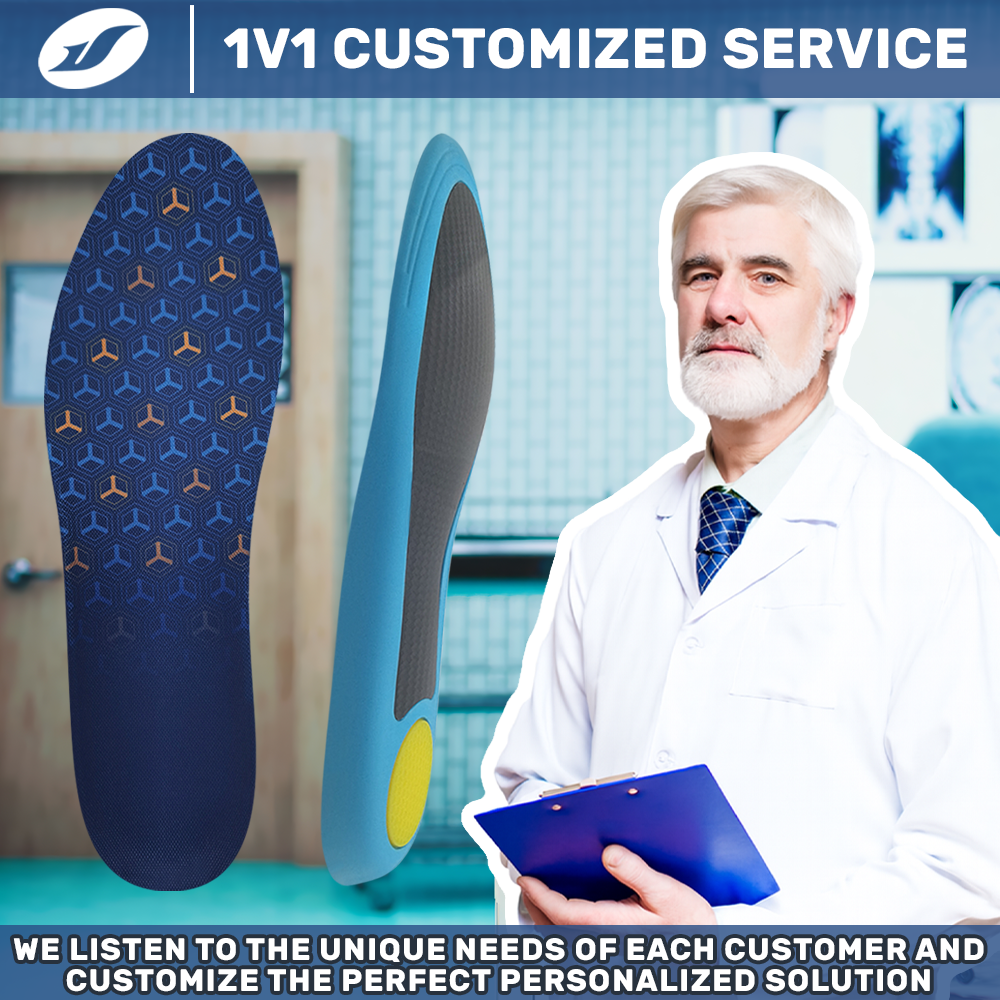
At Ideastep, we work with footwear brands, orthopedic companies, distributors, and OEM partners worldwide to develop EVA insole solutions tailored to specific market requirements. From material selection and prototype development to large-scale manufacturing, our team supports customers throughout the entire product development process.
Whether you are launching a new footwear collection, upgrading an existing product line, or developing custom orthotic insoles, we can help you bring your project to market with reliable, high-quality EVA insole solutions.