In footwear manufacturing, there are very few “perfect” materials. Most of the time, designers and brands are forced to make trade-offs between comfort, durability, weight, and cost.
EVA outsole material sits right in the middle of these trade-offs. It doesn’t try to outperform every material in every category, but it delivers a balance that works surprisingly well for a large portion of everyday footwear.
That’s why you’ll find it in everything from running shoes to casual sneakers—and why it continues to be one of the most commonly used outsole materials in the industry.
What Is EVA Outsole Material?
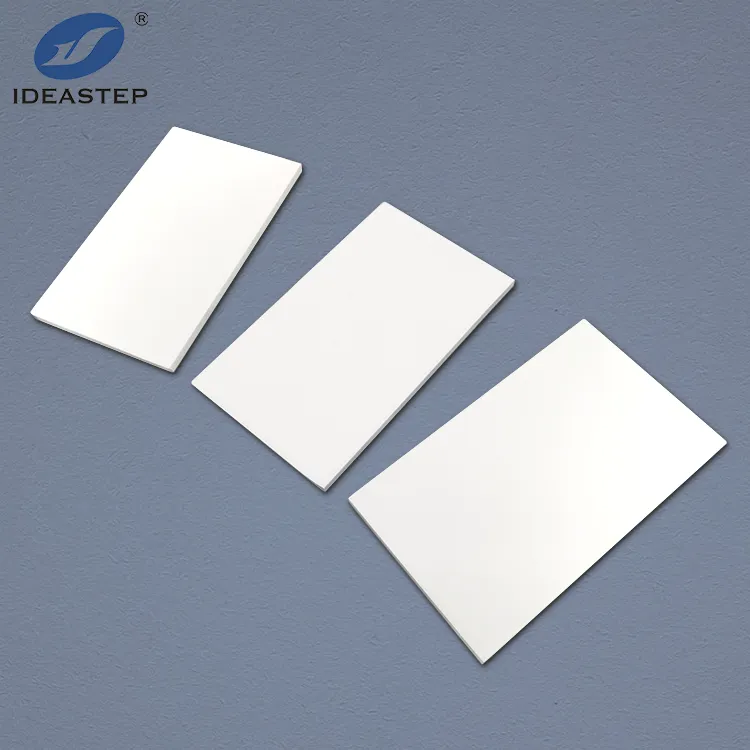
EVA (Ethylene Vinyl Acetate) is a lightweight foam material widely used in footwear midsoles and outsoles. It is known for its soft, flexible structure and cushioning properties.
What makes EVA different is its internal structure. It is made up of a closed-cell foam filled with tiny air pockets, which is what gives it that soft, “springy” feel underfoot.
How EVA Outsoles Are Manufactured
From a production standpoint, EVA is relatively straightforward to work with. It is usually processed through compression or injection molding, where the material is expanded and shaped into outsole forms.
One advantage manufacturers often point out is that EVA is easy to adjust. By changing density and formulation, you can shift its performance quite significantly—softer for comfort-focused shoes, or denser for better structure and wear resistance.
This flexibility is one of the reasons it works so well in large-scale footwear production.
Why EVA Works So Well for Lightweight Shoe Production
Lightweight Performance That Users Immediately Notice
If there is one thing EVA is known for, it’s weight reduction. Compared to rubber outsoles, EVA-based shoes feel noticeably lighter in hand and on foot.
For everyday users, this often translates into less fatigue during walking or standing—something especially important in casual and lifestyle footwear.
Comfort That Works in Real Life
EVA provides a soft cushioning effect when the foot strikes the ground. It absorbs part of the impact instead of transferring it directly to the foot.
It’s not “performance cushioning” in the technical sense, but for daily wear, it does exactly what most users expect: it feels comfortable and easy to walk in.
A Smoother Walking Experience
Lightweight materials tend to improve how natural a shoe feels during movement. EVA helps reduce the feeling of stiffness underfoot, especially during longer walking periods.
Flexibility: One of EVA’s Most Practical Advantages
Flexibility is where EVA quietly stands out. It bends easily and moves with the foot rather than resisting it.
More Natural Foot Motion
During walking, the foot goes through constant flexing and rolling movements. EVA follows this motion smoothly, which is why it is commonly used in walking shoes and lifestyle sneakers.
Design Freedom for Brands
From a design perspective, EVA is very forgiving. It can be molded into different shapes, structures, and patterns without significantly increasing production difficulty.
This gives footwear designers more room to experiment without running into manufacturing limitations too early in the development process.
Durability and Real-World Limitations
EVA performs well in everyday environments, but it is not designed to be a heavy-duty material.
Daily Use Performance
In normal urban conditions—walking, commuting, light activity—EVA outsoles generally hold up well, especially when properly formulated.
Density Makes a Big Difference
One detail that often gets overlooked is how much density affects performance.
Lower-density EVA feels softer and more comfortable, but it tends to wear down faster. Higher-density EVA is firmer and usually lasts longer, though it sacrifices some softness.
This is one of the key balancing decisions in footwear development.
Where EVA Starts to Show Its Limits
On rough outdoor terrain or in high-abrasion environments, EVA can wear faster compared to rubber or TPU.
Because of that, many brands combine EVA with other materials instead of relying on it alone in performance-heavy footwear.
Why Brands Choose EVA for Cost Efficiency
Beyond performance, EVA is also widely used for practical manufacturing reasons.
Lower Material Cost
EVA is generally more cost-effective than rubber-based or engineered outsole materials, making it attractive for mass-market footwear.
Efficient and Stable Production
The molding process is well established and easy to scale. Once tooling is ready, production becomes predictable and consistent.
Suitable for OEM Development
For OEM and ODM footwear projects, consistency matters as much as performance. EVA provides a stable base material that can be adapted across different product lines without major process changes.
Common Applications in Footwear
EVA outsoles are widely used across multiple categories:
- Running shoes
- Casual sneakers
- Walking shoes
- Children’s footwear
- Lifestyle shoes
It is not limited to one segment, which is part of what keeps it so widely adopted in the industry.
EVA vs Rubber vs TPU: A Practical Comparison
| Feature | EVA | Rubber | TPU |
|---|---|---|---|
| Weight | Very light | Heavy | Medium |
| Comfort | High | Medium | Low to medium |
| Durability | Medium | High | High |
| Flexibility | High | Medium | Medium |
| Cost | Low | Medium to high | High |
| Best Use | Everyday and casual footwear | Work and outdoor shoes | Performance footwear |
How to Choose the Right EVA Outsole Material
Start with the End Use
A running shoe, a lifestyle sneaker, and a walking shoe will not require the same EVA formulation. The intended use should always guide material selection.
Don’t Ignore Density
Density is often the deciding factor between comfort and durability. It is one of the most important variables in EVA performance.
Find the Right Balance
In many real-world cases, the goal is not to maximize softness or hardness, but to find a balance that fits the product positioning.
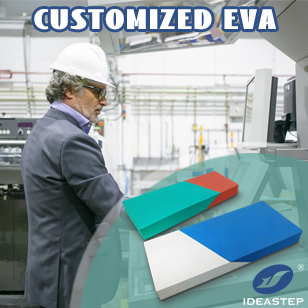
OEM & Custom EVA Outsole Solutions
EVA is not just a standard material—it is highly customizable.
Manufacturers can adjust performance and appearance depending on brand requirements, including:
- Density and hardness control
- Color customization
- Surface texture design
- Logo integration
- Custom mold development
This adaptability is one of the reasons EVA remains widely used in both entry-level and mid-range footwear production.
Conclusion
EVA outsole material continues to be a practical choice in footwear manufacturing because it offers a combination that is hard to ignore: lightweight feel, usable comfort, and cost efficiency.
It may not be the most durable material in every scenario, but for everyday footwear, it strikes a balance that works for both brands and consumers.
In many ways, EVA’s strength is not in outperforming other materials—it’s in being consistently good enough across a wide range of applications.
Learn all about EVA by visiting this page: https://www.aideastep.com/where-to-buy-eva-foam-why-ideastep-is-your-trusted-b2b-supplier/.