Diabetic neuropathy is one of the most common long-term complications of diabetes, and it often shows up first in the feet. Many people describe it as numbness, tingling, burning sensations, or a “loss of feeling” that makes everyday walking feel less stable and less predictable.
While medication and blood sugar control are essential parts of management, footwear and insole support play a surprisingly important role in daily comfort and foot protection. For many patients, the right insole can help reduce pressure points, improve stability, and lower the risk of skin breakdown.
So what actually makes the best insoles for diabetic neuropathy—and how do you choose the right one?
What Is Diabetic Neuropathy and How Does It Affect the Feet?
Diabetic neuropathy is a type of nerve damage caused by prolonged high blood sugar levels. When it affects the feet, it reduces the ability to feel pressure, heat, and pain normally.
This reduced sensation may sound minor at first, but it creates a serious risk: small injuries can go unnoticed and gradually develop into ulcers or infections without early warning signs.
Common Foot Symptoms
- Tingling or “pins and needles” sensation
- Numbness in toes or soles
- Burning or sharp pain
- Loss of balance during walking
- Increased sensitivity to pressure in certain areas
Because the foot cannot reliably “warn” the body anymore, external protection becomes more important than usual.
Why Do People With Diabetic Neuropathy Need Special Insoles?
Not all insoles are designed for medical foot conditions. Standard cushioning insoles focus mainly on comfort, but diabetic neuropathy requires something more specific: pressure control and protection.
Pressure Redistribution Is the Key
One of the biggest risks for diabetic feet is localized pressure. When too much force is concentrated in one area, skin breakdown can occur without pain signals to alert the user.
Specialized insoles help distribute pressure more evenly across the foot, reducing the chance of “hot spots” forming.
Softness Alone Is Not Enough
It is a common misconception that softer insoles are always better. In reality, overly soft materials can sometimes bottom out, creating uneven pressure in certain areas.
The best diabetic insoles usually combine cushioning with structure—often referred to as multi-density support.
Protection Becomes More Important Than Performance
Unlike sports insoles that focus on energy return or speed, diabetic insoles prioritize safety, stability, and skin protection during everyday walking.
Key Features of the Best Insoles for Diabetic Neuropathy
1. Multi-Density Cushioning
A multi-density design allows different zones of the insole to respond differently under pressure. Softer areas reduce impact, while firmer sections provide structure and stability.
2. Pressure Relief Design
Good diabetic insoles are designed to minimize peak pressure points, especially under the heel and forefoot where ulcers are most likely to develop.
3. Gentle Arch Support
Support is important, but it must be carefully balanced. Too much pressure on the arch can create discomfort, so the support should be stable but not aggressive.
4. Skin-Friendly Materials
Because diabetic skin is often more sensitive, materials must reduce friction and prevent irritation during long-term use.
5. Shock Absorption for Daily Walking
Everyday activities like walking indoors, standing at work, or running errands all create repetitive impact. Effective shock absorption helps reduce cumulative stress on the feet.
Best Insoles for Diabetic Neuropathy (Recommended Products)
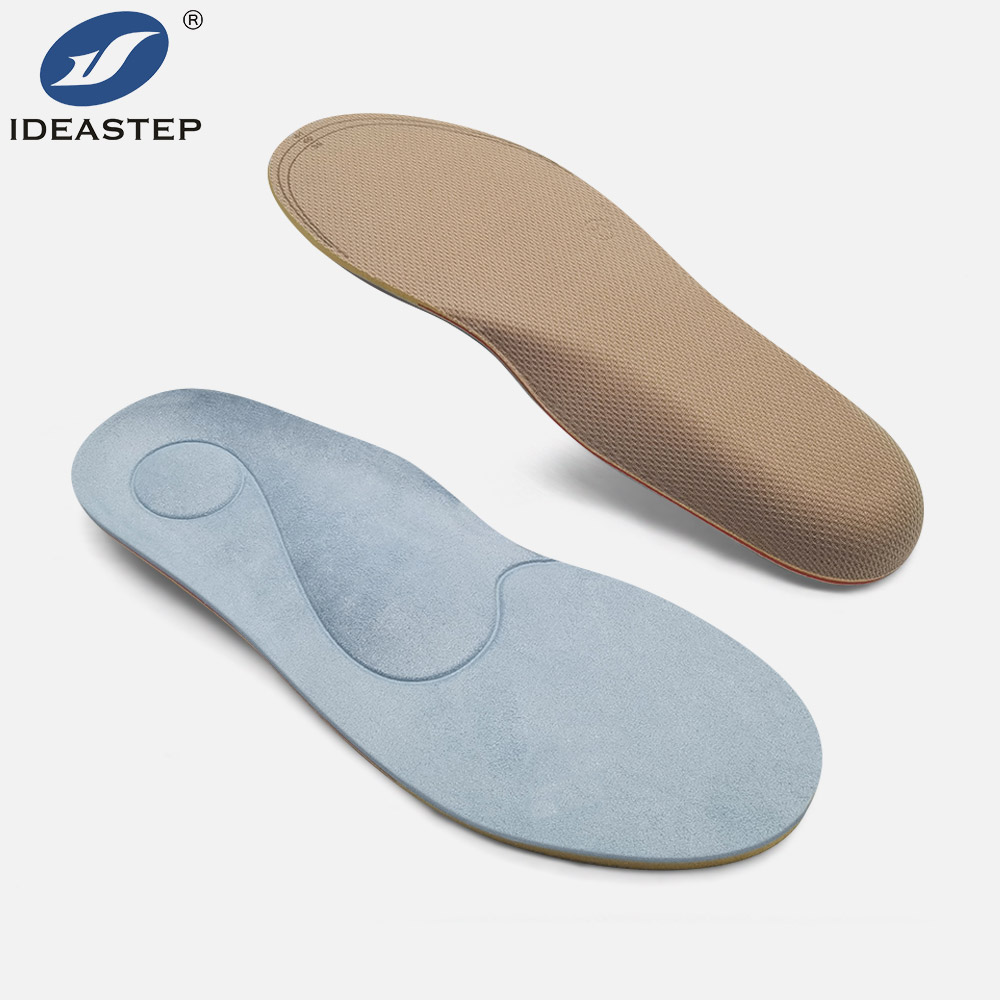
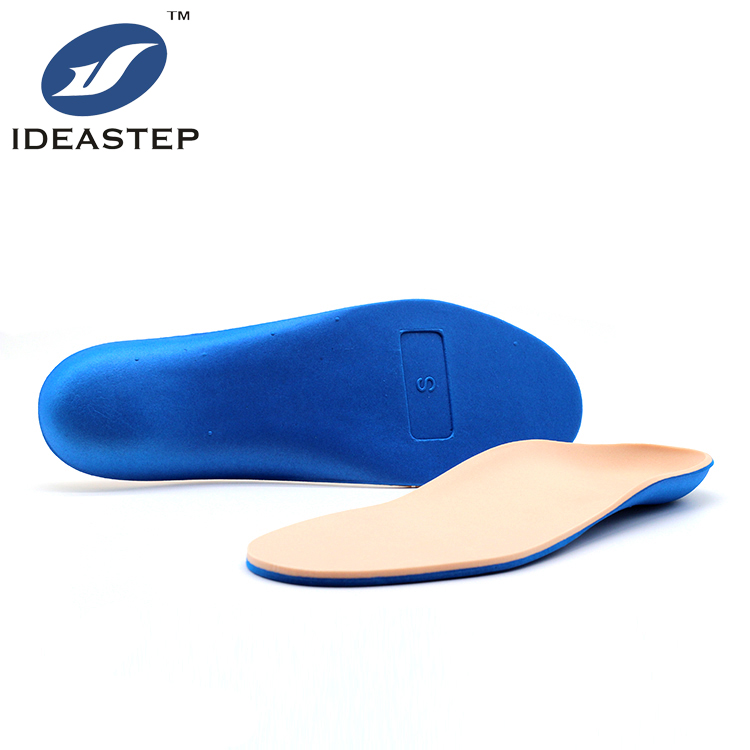
Ideastep JF-428 Diabetic Insoles | Pressure Relief & Multi-Density Foam Support
This model is designed specifically for diabetic foot care and pressure redistribution needs. The multi-density foam structure helps reduce localized pressure while maintaining stable support during daily walking.
It is particularly suitable for users with moderate to high sensitivity in the feet and for those who need consistent cushioning throughout the day.
For clinics, orthopedic providers, and distributors, this model is often selected as a core diabetic insole solution due to its balanced performance and medical-oriented design.
Wholesale Cushioned Arch Support Diabetic Foot Care Comfortable Medical Diabetic Insole
This option focuses on comfort-oriented cushioning combined with gentle arch support. It is commonly used in wholesale and distribution channels where affordability and basic diabetic foot protection are key priorities.
It is suitable for users with mild to moderate neuropathy symptoms who need everyday walking comfort and basic pressure relief.
Ideastep Factory Price Cushioned Arch Support Diabetic Foot Care Comfortable Medical Diabetic Insole
This version is designed for OEM and factory-direct supply requirements. It offers flexible customization options in terms of materials, density, and structure depending on market needs.
It is a practical choice for footwear brands, medical product distributors, and B2B clients looking to develop their own diabetic insole product line.
Diabetic Insoles vs Regular Insoles: What’s the Difference?
At first glance, they may look similar, but their design goals are very different.
- Regular insoles: Focus on comfort and general cushioning
- Diabetic insoles: Focus on pressure redistribution and foot protection
Diabetic insoles often use multi-layer or multi-density structures, while regular insoles are typically single-density foam designs.
Who Should Use Diabetic Neuropathy Insoles?
These insoles are generally recommended for:
- People with diagnosed diabetes
- Individuals experiencing numbness or tingling in the feet
- Patients with a history of foot ulcers or calluses
- People who stand or walk for long hours daily
- Users with reduced foot sensation or balance issues
Even in early stages, preventive use can help reduce long-term complications.
How to Choose the Right Diabetic Insole
Consider the Severity of Symptoms
Mild neuropathy may only require cushioning support, while more advanced cases benefit from structured multi-density designs.
Check Pressure Distribution Design
Look for insoles that explicitly focus on reducing peak pressure points rather than just adding softness.
Balance Comfort and Stability
The best diabetic insoles are not the softest—they are the ones that maintain stable support while reducing localized stress.
Choose Medical-Grade Materials
Breathability, skin-friendliness, and long-term wear comfort are important factors, especially for daily use.
OEM & Wholesale Diabetic Insole Solutions
With the growing global diabetic population, demand for medical foot care products continues to increase. Many brands and distributors are now expanding into diabetic insole product lines.
OEM and ODM development allows customization of density, structure, branding, and packaging to meet different market requirements.
For B2B clients such as clinics, orthopedic distributors, and footwear brands, scalable production and consistent quality are often key purchasing factors.
Conclusion
The best insoles for diabetic neuropathy are not defined by softness alone, but by how effectively they manage pressure, support the foot, and protect sensitive skin during everyday movement.
Multi-density cushioning, pressure redistribution, and balanced arch support are the core features that make a real difference in daily comfort and long-term foot health.
For patients, the right insole can improve walking comfort and reduce risk. For professional buyers, it represents an important and growing segment in the medical foot care market.