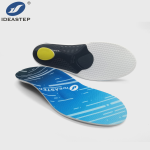
Carbon fibre insoles for toe walking can help improve foot stability, reduce excessive forefoot loading, and support better gait control. Due to their lightweight structure and high stiffness, carbon fibre materials are widely used in advanced orthotic applications where controlled support is required.
However, toe walking is not caused by a single factor. It may be related to muscle tightness, limited ankle mobility, developmental patterns, or foot biomechanics. Therefore, carbon fibre insoles should be considered as part of a broader support solution rather than a standalone treatment.
This article explains how carbon fibre insoles work, their advantages, and how they compare with traditional foam insoles and custom orthotic solutions.
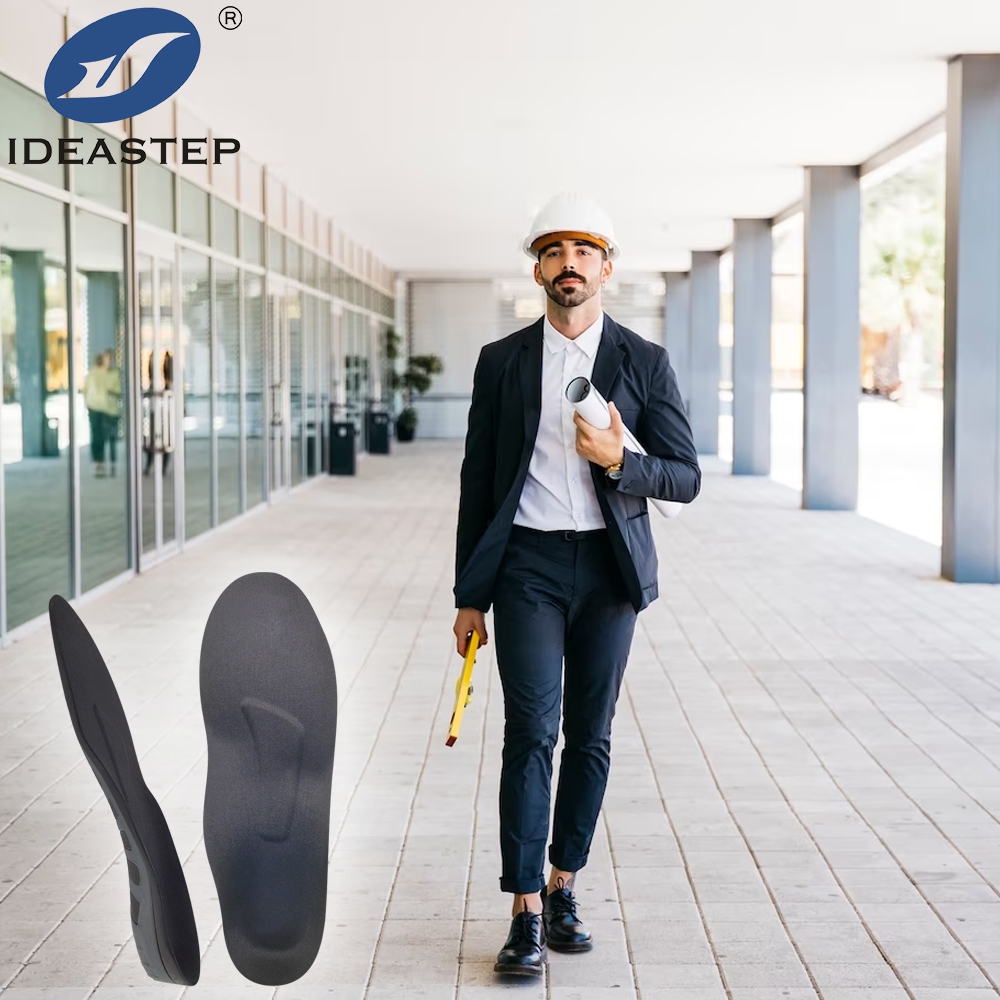
What Is Toe Walking?
Toe walking is a gait pattern where the heel does not make normal contact with the ground during walking. Instead of following a typical heel-to-toe movement, the person places more pressure on the forefoot and toes.
A normal walking cycle usually includes:
- Heel strike
- Midfoot loading
- Toe-off
With toe walking, the loading pattern changes, which may increase stress on:
- Forefoot area
- Calf muscles
- Achilles tendon
- Lower limb joints
Common signs include:
- Walking mainly on the toes
- Reduced heel contact
- Tight calf muscles
- Increased pressure under the front of the foot
- Early fatigue during walking
Common Causes of Toe Walking
Toe walking can develop for different reasons, and understanding the cause is important when selecting an insole.
Habitual Toe Walking
Some children develop a toe-first walking habit during early growth. They may have the ability to place their heels down but continue using this walking pattern.
Limited Ankle Mobility
Tight calf muscles or reduced ankle dorsiflexion can make heel contact more difficult. This may contribute to an equinus gait pattern, where the ankle remains in a more pointed position.
Muscle and Movement Imbalance
Changes in muscle coordination or lower limb control can influence walking mechanics and foot positioning.
Foot Stability Issues
Poor foot stability or inefficient movement patterns may increase forefoot loading and affect gait performance.
Because toe walking has different causes, the ideal support solution should be selected based on individual foot structure and movement requirements.
What Are Carbon Fibre Insoles?
Carbon fibre is a high-performance composite material known for its excellent strength-to-weight ratio. In orthotic applications, it is used as a reinforcement layer to provide structural support while keeping the insole lightweight.
Unlike soft foam materials that mainly provide cushioning, carbon fibre focuses on controlling movement and improving stability.
Key characteristics include:
Lightweight Strength
Carbon fibre provides strong mechanical support without adding significant weight to footwear, making it suitable for applications requiring both comfort and stability.
Controlled Stiffness
The performance of a carbon fibre insole depends on:
- Fibre orientation
- Layer structure
- Material thickness
- Overall design
By adjusting these factors, manufacturers can create different stiffness levels for specific applications.
Improved Force Control
Carbon fibre helps reduce excessive bending of the foot and improves force transfer during movement, supporting more controlled foot mechanics.
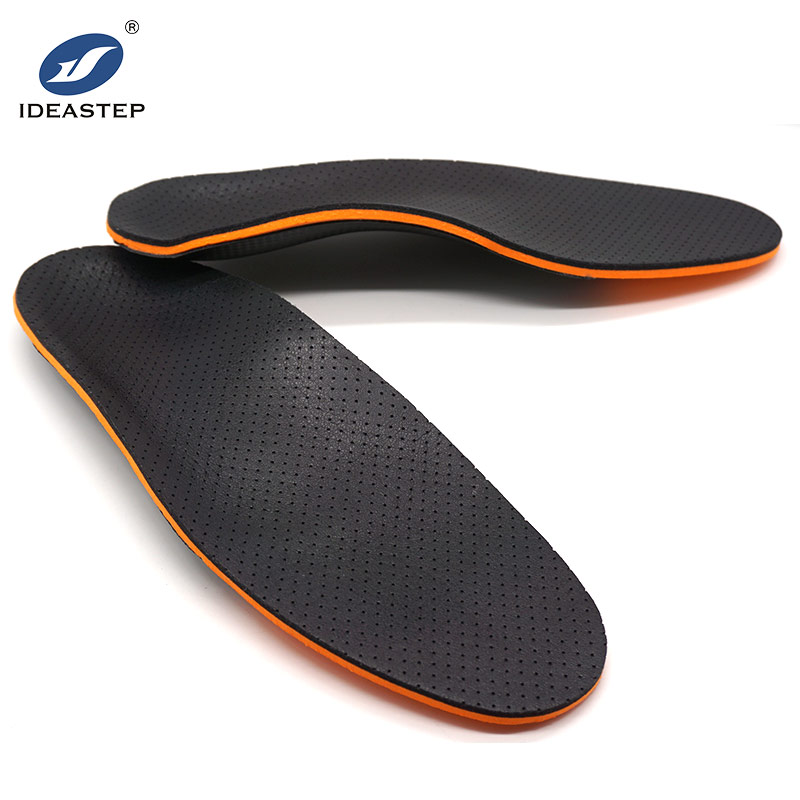
How Can Carbon Fibre Insoles Support Toe Walking?
Carbon fibre insoles do not directly eliminate toe walking, but they can provide mechanical support that helps manage excessive foot movement.
Reduce Excessive Forefoot Loading
Toe walking increases pressure on the front of the foot. A carbon fibre structure can help limit excessive forefoot flexing and distribute forces more effectively.
This may help reduce:
- Forefoot stress
- Pressure concentration
- Walking fatigue
Improve Foot Stability
The semi-rigid structure of carbon fibre helps control unwanted movement inside the shoe. This added stability can support a more consistent walking pattern.
Support Better Gait Control
By influencing how the foot loads and moves during walking, carbon fibre insoles may help create a more balanced gait pattern.
The actual result depends on the cause of toe walking and the overall design of the orthotic solution.
Carbon Fibre Insoles vs Foam Insoles
Carbon fibre and foam materials serve different purposes in footwear applications.
| Feature | Carbon Fibre Insoles | Foam Insoles |
|---|---|---|
| Main Function | Stability and motion control | Cushioning and comfort |
| Flexibility | Low | High |
| Structural Support | Excellent | Limited |
| Shock Absorption | Limited | Excellent |
| Weight | Lightweight | Lightweight |
| Durability | High | Moderate |
Materials such as EVA foam and memory foam are excellent for cushioning and pressure relief. Carbon fibre provides reinforcement and structural control.
Many advanced orthotic designs combine both materials to achieve:
- Carbon fibre support
- EVA cushioning
- Improved wearing comfort
Are Carbon Fibre Insoles the Same as Custom Orthotics?
No. Carbon fibre is a material, while custom orthotics are a complete support solution designed around individual foot requirements.
Carbon fibre provides:
- Structural reinforcement
- Reduced flexibility
- Lightweight support
Custom orthotic insoles consider:
- Foot shape
- Pressure distribution
- Walking pattern
- Arch structure
- Support requirements
In many professional orthotic applications, carbon fibre is combined with materials such as EVA foam to create customized solutions with both stability and comfort.
Key Factors When Choosing Carbon Fibre Insoles
Choosing the right carbon fibre insole requires consideration of several factors.
Appropriate Stiffness Level
A stiffer insole is not always better. The correct stiffness depends on:
- User age
- Foot condition
- Activity level
- Required support
An overly rigid design may reduce comfort, while insufficient stiffness may not provide enough control.
Proper Fit and Thickness
A well-designed insole should match the footwear.
Important considerations include:
- Shoe space
- Insole thickness
- Foot size
- Daily activity
Material Combination
Carbon fibre is often paired with cushioning materials.
For example, EVA foam is commonly used in orthotic insoles because it offers:
- Lightweight cushioning
- Shock absorption
- Different hardness options
- Easy customization
Combining carbon fibre with EVA allows manufacturers to balance support and comfort.
Who May Benefit From Carbon Fibre Insoles?
Carbon fibre insoles may be considered for:
Children With Toe Walking
Children may require different support levels depending on age, foot development, and walking pattern. A properly designed orthotic solution can provide additional stability when needed.
Adults With Forefoot Pressure
Adults who experience increased forefoot loading during walking or standing may benefit from improved support and pressure distribution.
Sports Applications
Athletes may choose carbon fibre-based solutions when they need:
- Lightweight support
- Increased stability
- Durable performance
Frequently Asked Questions
Can carbon fibre insoles stop toe walking?
Carbon fibre insoles cannot guarantee that toe walking will stop. However, they may help support foot stability, reduce excessive motion, and improve gait control in suitable cases.
Are carbon fibre insoles suitable for children?
They may be used in some pediatric orthotic applications. The design should be selected according to the child’s foot development, mobility, and professional assessment.
Are carbon fibre insoles better than foam insoles?
They serve different purposes. Foam insoles focus on comfort and cushioning, while carbon fibre insoles focus on stability and movement control.
How long do carbon fibre insoles last?
Carbon fibre is highly durable and maintains its structural properties for a long period. Actual lifespan depends on usage frequency, load conditions, and overall insole construction.
Conclusion
Carbon fibre insoles for toe walking provide lightweight structural support that can help improve foot stability and gait control. Their high strength, low weight, and controlled stiffness make them valuable in advanced orthotic applications.
However, toe walking can have different causes, and the best solution depends on individual biomechanics, foot structure, and support needs.
For footwear brands, healthcare providers, and orthotic professionals, combining carbon fibre with materials such as EVA foam and customized support structures can create effective insole solutions for different foot conditions and applications.
Related product links: https://www.aideastep.com/product/heatmoldable-insole/.