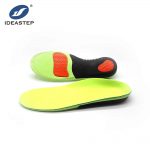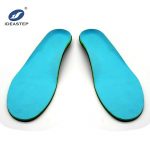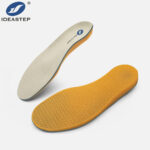
If you have flat feet, you’ve probably searched for a comfortable solution to relieve fatigue and reduce foot pain. Memory foam insoles are often among the first recommendations because they feel soft and instantly improve comfort. But does softer always mean better?
Not necessarily.
From our experience developing orthotic insoles for podiatry clinics, footwear brands, and medical distributors, one of the biggest misconceptions is that cushioning alone can solve flat foot problems. While memory foam absorbs impact and improves comfort, flat feet are primarily a biomechanical issue. Without proper arch support and heel stability, even the softest insole may fail to control excessive foot motion.
The best memory foam insoles for flat feet combine pressure-relieving cushioning with structural support that helps maintain natural foot alignment. This guide explains what to look for, when memory foam is enough, and when a supportive orthotic insole is the better choice.
What Are Flat Feet?
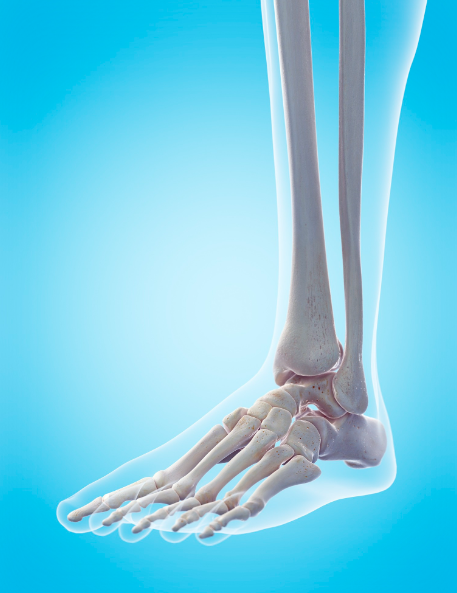
Flat feet, also known as fallen arches, occur when the medial longitudinal arch is lower than normal or collapses completely during standing and walking. As a result, most or all of the sole comes into contact with the ground.
Some people are born with flexible flat feet, while others develop the condition later in life because of aging, injury, obesity, pregnancy, or dysfunction of the posterior tibial tendon.
Common symptoms include:
- Foot arch pain
- Heel discomfort
- Foot fatigue after standing
- Overpronation while walking
- Ankle instability
- Knee, hip, or lower back pain caused by poor alignment
Although mild flat feet may not require treatment, inadequate support over time can increase stress on the plantar fascia, joints, and surrounding muscles.
Are Memory Foam Insoles Good for Flat Feet?
The short answer is yes—but only in certain situations.
If you’ve ever worn memory foam shoe inserts, you’ll immediately notice how soft they feel. Memory foam molds to the shape of your foot, distributes pressure more evenly, and reduces localized discomfort. For people who spend long hours standing, this cushioning can noticeably improve everyday comfort.
However, comfort should not be confused with support.
Memory foam is designed to compress under body weight. While this improves cushioning, it also means the material gradually loses its ability to support the arch during prolonged use. For people with moderate or severe flat feet, excessive compression may allow the foot to roll inward even further.
In other words, memory foam helps reduce pressure, but it does not correct abnormal foot mechanics by itself.
Why Softer Isn’t Always Better for Flat Feet
Many consumers assume that the softest insole must be the healthiest option. In reality, podiatrists often recommend a balance between cushioning and stability.
An overly soft insole may feel comfortable during the first few minutes of walking, but it can also:
- Allow the arch to collapse further
- Increase excessive pronation
- Reduce heel stability
- Create muscle fatigue during prolonged standing
- Provide inconsistent support throughout the gait cycle
A well-designed insole should absorb impact while maintaining enough structural integrity to guide the foot through a more stable walking pattern.
This is why many premium insoles combine memory foam with supportive materials such as high-density EVA, TPU arch supports, or reinforced heel cups.
What Makes the Best Memory Foam Insoles for Flat Feet?
Rather than choosing the softest insole available, focus on features that improve both comfort and biomechanics.
1. Proper Arch Support
Arch support is the most important feature for flat feet. A contoured arch helps distribute pressure across the plantar surface while reducing strain on the plantar fascia and posterior tibial tendon.
The goal is not to force the arch upward but to provide consistent support throughout the gait cycle.
2. Deep Heel Cup
A deep heel cup stabilizes the rearfoot and helps control excessive inward rolling. Better heel alignment can improve lower-limb biomechanics and reduce stress on the ankles, knees, and hips.
3. High-Density Support Layer
Quality memory foam insoles usually include a supportive base layer made from EVA or similar materials. This layer prevents the insole from flattening too quickly while maintaining long-term cushioning performance.
4. Breathable Top Cover
Moisture-wicking fabrics help keep feet dry, reduce heat buildup, and improve comfort during extended wear.
5. Durable Construction
A quality insole should maintain its shape after repeated compression. Low-density foam may lose its effectiveness within a few months, while higher-quality materials provide longer-lasting support.
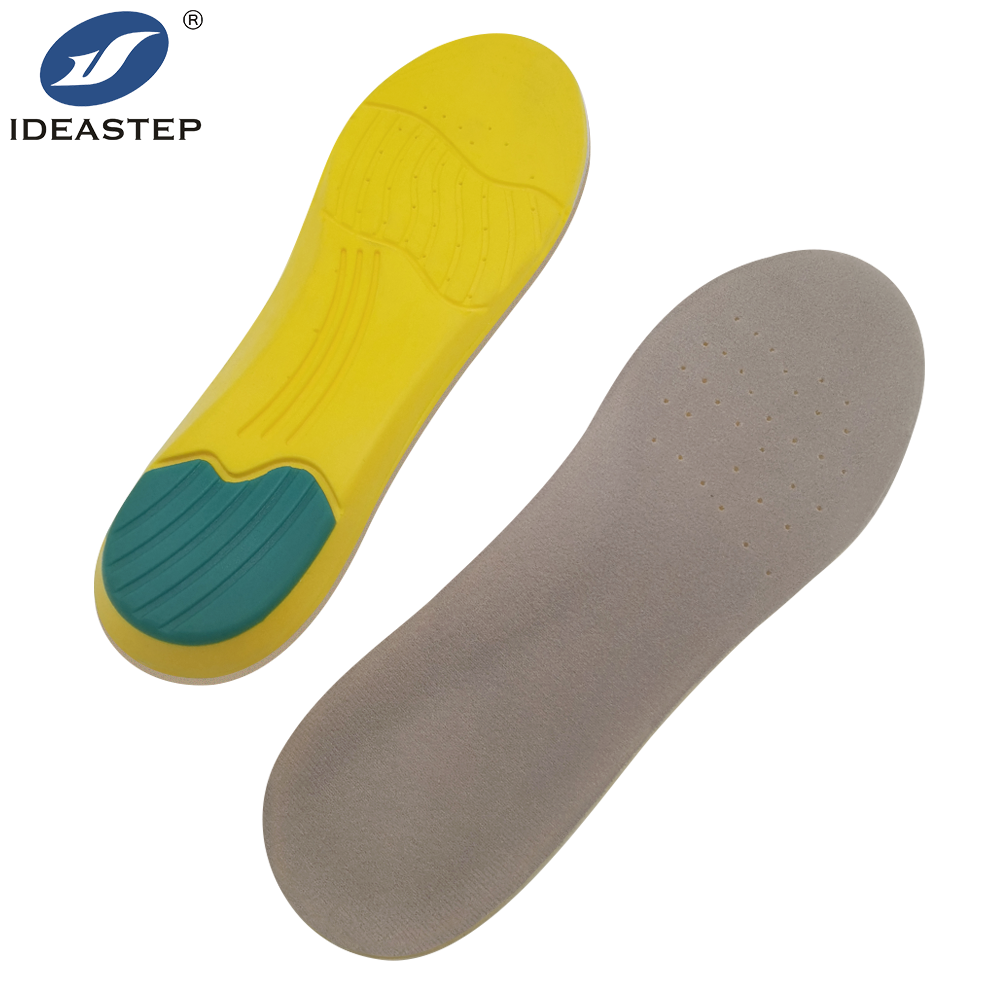
Memory Foam Insoles vs. Orthotic Insoles
| Feature | Memory Foam Insoles | Orthotic Insoles |
|---|---|---|
| Cushioning | Excellent | Good to Excellent |
| Arch Support | Limited | Excellent |
| Motion Control | Low | High |
| Pressure Redistribution | Good | Excellent |
| Durability | Moderate | High |
| Suitable for Mild Flat Feet | Yes | Yes |
| Suitable for Moderate to Severe Flat Feet | No | Recommended |
If your goal is simply to improve comfort while walking, memory foam insoles may be sufficient. However, if you experience chronic foot pain, plantar fasciitis, excessive overpronation, or recurring joint discomfort, a supportive orthotic insole is generally the better long-term investment.
How to Choose the Right Insole for Flat Feet
Before purchasing an insole, consider the following factors:
- Choose an arch height that matches your foot rather than selecting the highest support available.
- Look for a deep heel cup to improve rearfoot stability.
- Select insoles with a supportive EVA base instead of memory foam alone.
- Ensure the insole fits your footwear without crowding the toe box.
- For work boots or prolonged standing, prioritize durability over softness.
- If you have persistent pain, consult a podiatrist before relying on over-the-counter insoles.
Remember, the best insole is not the softest one—it’s the one that supports your foot while keeping it comfortable throughout the day.
Who Can Benefit from Memory Foam Insoles?
Memory foam insoles are ideal for:
- People with mild flat feet
- Office workers
- Retail employees
- Teachers and healthcare professionals
- Factory workers who stand for long periods
- Anyone seeking additional cushioning in everyday shoes
For athletes or people with significant biomechanical abnormalities, supportive orthotic insoles are usually a more effective solution.
Frequently Asked Questions
Can memory foam insoles correct flat feet?
No. Memory foam improves cushioning but cannot correct the underlying foot structure or abnormal biomechanics.
Should people with flat feet choose soft or firm insoles?
A combination of moderate cushioning and firm structural support usually provides the best results.
How long do memory foam insoles last?
Most quality memory foam insoles last between six and twelve months, depending on body weight, activity level, and material quality.
Are memory foam insoles good for plantar fasciitis?
They may reduce pressure temporarily, but people with plantar fasciitis often benefit more from orthotic insoles with proper arch support.
Can orthotic insoles include memory foam?
Yes. Many premium orthotic insoles combine memory foam for cushioning with EVA or TPU components for stability and motion control.
Conclusion
The best memory foam insoles for flat feet are not simply the softest—they are the ones that successfully combine cushioning with reliable structural support. While memory foam enhances comfort and reduces impact, long-term foot health depends on maintaining proper arch support, heel alignment, and overall biomechanics.
For individuals with mild flat feet, a well-designed memory foam insole featuring a supportive EVA base and deep heel cup can provide excellent everyday comfort. However, if you experience persistent pain, excessive overpronation, or need long-term biomechanical correction, a professionally designed orthotic insole is the more effective solution.
At Ideastep, we specialize in developing custom orthotic insoles and memory foam insole solutions for footwear brands, medical distributors, foot care professionals, and OEM/ODM partners worldwide. By combining advanced cushioning materials with biomechanical design expertise, we help businesses deliver insoles that offer both comfort and lasting support.
Related product links: https://www.aideastep.com/product/memory-foam-insoles-high-rebound/.