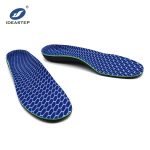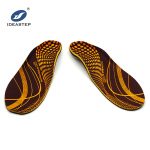
When buyers search for “Who makes the best insoles for flat feet?”, they are usually not looking for the softest foam insert or the cheapest supplier. They are looking for a reliable partner that understands foot biomechanics, material performance, and how to develop insoles that provide consistent support for different users.
The quality of a flat feet insole depends on much more than the final product appearance. Behind every effective orthotic insole is a combination of biomechanical research, material selection, manufacturing technology, and quality control.
For footwear brands, healthcare distributors, and professional foot care companies, choosing the right orthotic insole manufacturer can directly influence product performance, customer satisfaction, and long-term business growth.
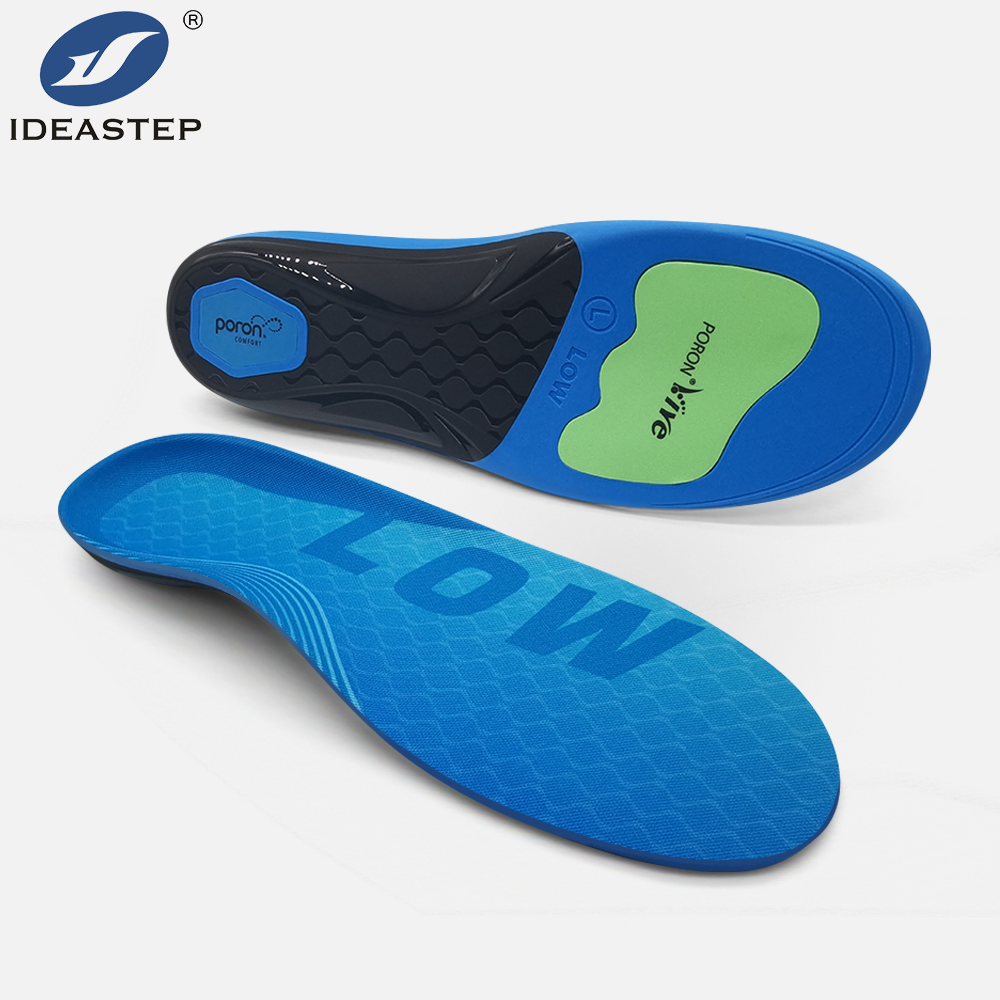
What Makes the Best Insoles for Flat Feet?
Flat feet are not simply a condition of having a lower arch. In many cases, they are related to changes in foot mechanics, including excessive pronation, poor heel control, and uneven plantar pressure distribution.
A high-quality flat feet insole should do more than provide cushioning. It should help create a better balance between comfort and functional support throughout the walking cycle.
The best insoles for flat feet usually include:
- Proper arch support to support the medial longitudinal arch
- Deep heel cup design to improve rearfoot stability
- Pressure redistribution technology to reduce stress on specific areas
- Shock absorption materials for improved daily comfort
- Durable multi-layer construction for long-term performance
From an insole manufacturer’s perspective, the goal is not to make an insole as soft as possible. The goal is to create the right support profile for the intended user and application.
Why Do Flat Feet Require Professional Insole Design?
Many consumers assume that flat feet only mean “fallen arches.” However, professional insole development considers the complete relationship between the foot, ankle, and lower limb.
During walking and standing, excessive inward rolling of the foot, known as overpronation, may affect alignment and increase stress on surrounding structures.
Without proper support, flat feet may contribute to increased pressure on:
- Plantar fascia
- Posterior tibial tendon
- Heel area
- Ankle joints
- Knees and hips
This is why professional orthotic insoles are designed according to foot biomechanics rather than simply adding extra cushioning materials.
What Makes an Orthotic Insole Manufacturer Different?
Not all insole suppliers have the same capabilities. A company producing basic shoe inserts may focus mainly on standard sizes and simple materials, while a professional orthotic manufacturer focuses on design accuracy, customization, and long-term product performance.
When selecting a manufacturer, buyers should evaluate several important factors.
Biomechanical Design Capability
Experienced manufacturers understand that every foot has different requirements. A successful flat feet insole design requires consideration of:
- Foot shape and arch height
- Walking patterns
- Pressure distribution
- Support requirements
- Target application
Advanced development processes may include:
- 3D foot scanning
- Foot pressure mapping
- Digital CAD/CAM design
- Biomechanical evaluation
These technologies allow manufacturers to create more accurate and functional insole solutions.
Material Engineering Experience
The best orthotic insole manufacturers understand how different materials influence comfort, support, and durability.
EVA Foam
EVA is one of the most widely used materials in orthotic insoles because manufacturers can adjust its density and hardness to achieve different levels of cushioning and stability.
It provides lightweight support and excellent shock absorption, making it suitable for everyday footwear, sports applications, and work shoes.
Memory Foam
Memory foam is popular because it adapts to the shape of the foot and helps reduce pressure points. However, professional designs usually combine memory foam with supportive layers because cushioning alone cannot control foot movement.
TPU Support Components
TPU components are commonly used to reinforce the structure of an insole. They help improve arch stability and provide better control during movement.
Key Features of High-Quality Flat Feet Insoles
1. Proper Arch Support
Effective arch support should match the user’s foot structure rather than simply adding a high arch shape.
A well-designed arch support helps maintain the medial longitudinal arch, improves pressure distribution, and provides better support during the gait cycle.
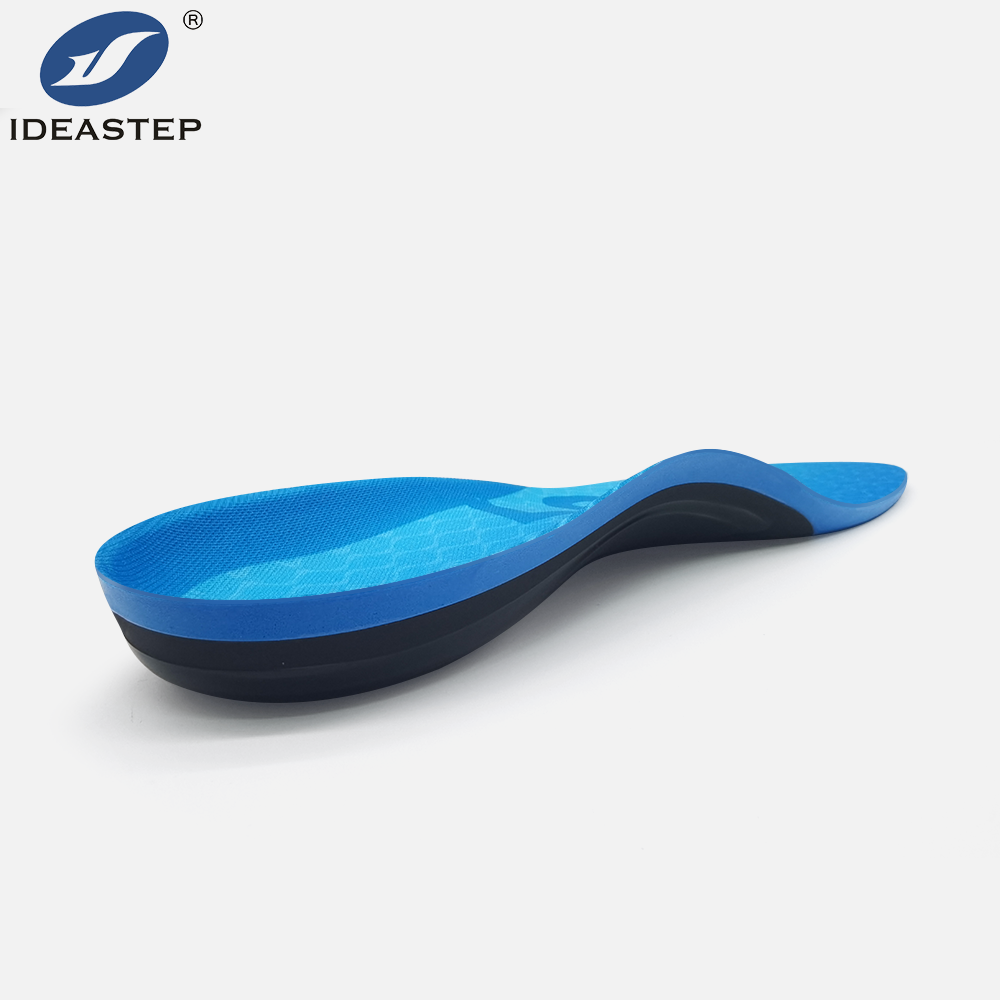
2. Deep Heel Cup for Better Stability
The heel plays an important role in overall foot alignment. A deep heel cup helps stabilize the calcaneus and reduce excessive rearfoot movement.
This design feature is especially important for users who experience overpronation or require additional walking stability.
3. Multi-Density Construction
Premium orthotic insoles often use different material densities in different areas of the product.
For example:
- Soft cushioning layer for comfort
- Supportive layer for stability
- Durable base layer for long-term use
This layered approach allows manufacturers to create insoles that are both comfortable and functional.
4. Pressure Redistribution Design
A professional insole should help distribute pressure more evenly across the plantar surface.
Better pressure management can improve comfort for people who spend long hours standing or walking.
Regular Insoles vs Professional Orthotic Insoles
| Feature | Regular Insoles | Professional Orthotic Insoles |
|---|---|---|
| Main Purpose | Improve comfort | Provide biomechanical support |
| Design Method | Standard production | Biomechanical-based design |
| Material Structure | Usually simple construction | Multi-layer material system |
| Customization | Limited | OEM and custom options available |
| Suitable For | General comfort needs | Flat feet and support requirements |
How to Choose the Right Flat Feet Insoles Manufacturer?
For businesses sourcing insoles, selecting a manufacturer requires more than checking product prices. A reliable supplier should provide technical expertise, production consistency, and customization support.
Check Industry Experience
A manufacturer with years of experience usually has better knowledge of material selection, production challenges, and application requirements.
Evaluate Product Development Ability
Ask whether the supplier can support:
- Custom designs
- Different hardness options
- Private labeling
- Packaging solutions
- Prototype development
Review Manufacturing Technology
Professional manufacturers may use technologies such as:
- CNC machining
- 3D printing
- Vacuum forming
- Compression molding
Confirm Quality Control Procedures
Consistent quality is essential for bulk orders. Manufacturers should have processes covering:
- Raw material inspection
- Production monitoring
- Finished product testing
Why Brands Choose OEM Orthotic Insole Manufacturers
For footwear brands, medical suppliers, and distributors, OEM cooperation provides more flexibility than purchasing standard products.
Working with an experienced manufacturer allows businesses to develop:
- Unique product designs
- Customized support levels
- Private label products
- Market-specific solutions
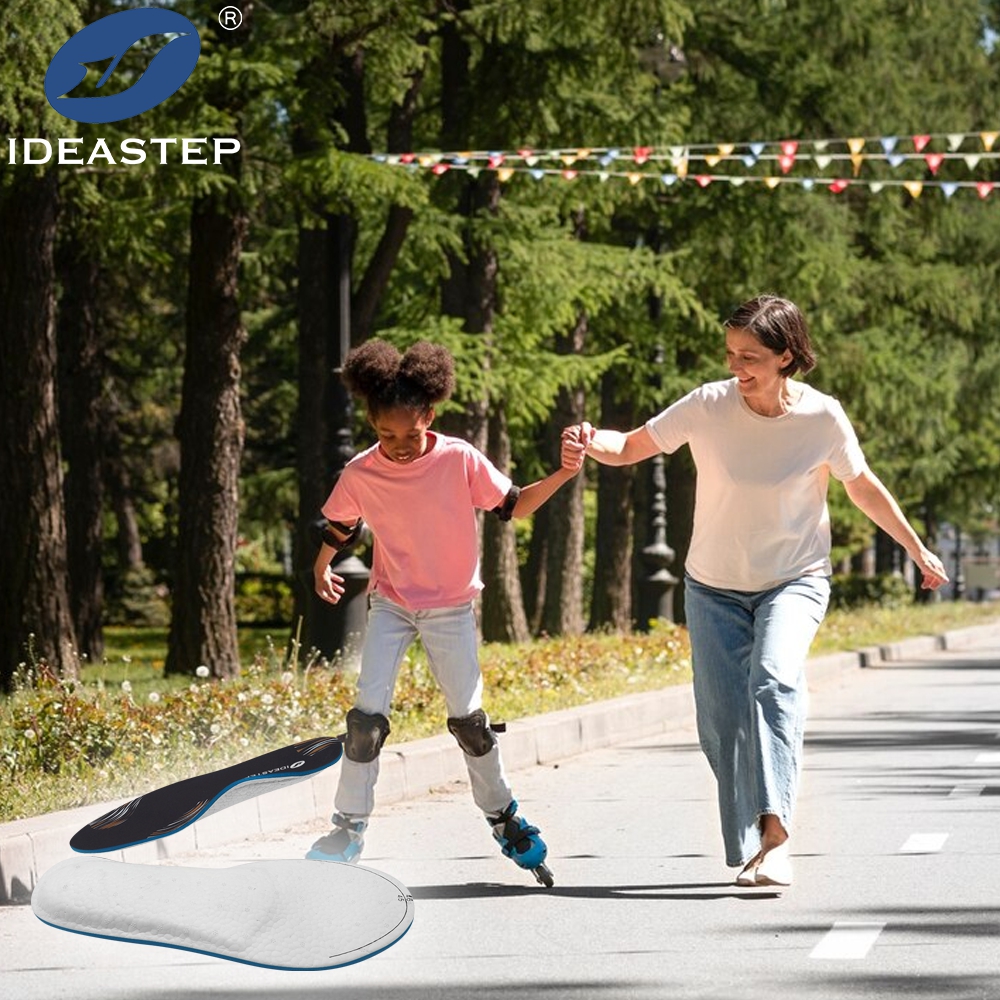
Ideastep specializes in custom orthotic insoles and foot care solutions for global customers. With experience in biomechanical design, advanced materials, and OEM/ODM manufacturing, Ideastep helps partners create insole products for different applications, including healthcare, footwear, sports, and work environments.
Choosing Insoles for Different Applications
Daily Walking Shoes
Prioritize comfort, lightweight construction, and moderate arch support.
Sports Footwear
Look for shock absorption, flexibility, and improved stability during movement.
Work Boots and Safety Shoes
Choose durable insoles designed for prolonged standing and heavy-use environments.
Medical and Professional Applications
Healthcare applications may require more customized designs based on individual foot conditions and professional recommendations.
Frequently Asked Questions
Who makes the best insoles for flat feet?
The best manufacturers are those with strong biomechanical knowledge, advanced material technology, customization capability, and reliable production quality.
Can insoles permanently fix flat feet?
Insoles cannot permanently change foot structure, but they can provide support, improve comfort, and help manage biomechanical issues.
Are custom orthotic insoles better than regular insoles?
For people with specific foot problems or higher support requirements, custom orthotic insoles generally provide better functional support.
What materials are commonly used in flat feet insoles?
EVA, memory foam, TPU, and other supportive materials are commonly used depending on the required balance between comfort and stability.
Can manufacturers produce private label insoles?
Yes. Experienced OEM/ODM manufacturers can customize product design, materials, branding, and packaging according to customer requirements.
Conclusion
Choosing the best insoles for flat feet is not simply about finding the biggest brand name. The real difference comes from the manufacturer’s ability to combine biomechanics, material technology, production expertise, and customization services.
For companies looking to develop reliable flat feet orthotic solutions, partnering with an experienced orthotic insole manufacturer can provide better product quality, stronger market differentiation, and long-term supply stability.
With professional development capabilities and OEM/ODM experience, Ideastep supports brands, distributors, and healthcare companies worldwide in creating customized orthotic insole solutions.
Related product links: https://www.aideastep.com/product/jf-4902-low-arch-support-insoles/.