Modern boot manufacturers are facing increasing demand for footwear that combines durability, protection, and everyday comfort. While outsole and upper design remain important, the insole has become a key factor influencing how users experience the overall performance of a boot.
Memory foam insoles for boots provide footwear brands with an effective way to improve cushioning, pressure distribution, and wearing comfort. However, developing a high-performance boot insole requires more than simply adding a layer of memory foam. Professional insole design requires careful consideration of material density, support structure, durability, and the specific requirements of different boot applications.
As an experienced OEM insole manufacturer, Ideastep provides customized memory foam insole solutions for work boots, safety footwear, outdoor boots, and other specialty footwear categories. From material selection and prototype development to mass production, we help brands create comfortable and reliable footwear solutions.
Why Boot Brands Need Better Insole Solutions
Compared with sneakers, boots are often heavier, more rigid, and designed for longer periods of use. Workers, outdoor enthusiasts, and professionals may wear boots for several hours every day, creating higher demands on cushioning, support, and durability.
A well-designed insole can improve the overall performance of boots by helping manage impact, distribute pressure, and provide a more comfortable connection between the foot and footwear.
For footwear brands, upgrading from standard insoles to customized memory foam solutions can provide advantages such as:
- Improved comfort during extended wear
- Better shock absorption on hard surfaces
- Enhanced product differentiation
- Higher perceived value for end users
- Greater flexibility for OEM footwear development
Challenges in Boot Insole Development
Developing insoles for boots requires solving several challenges that are different from casual footwear applications.
Heavy Footwear Construction
Boots typically have heavier uppers, thicker outsoles, and stronger structures. The insole needs to provide sufficient cushioning while maintaining stability under increased load.
Long Working and Wearing Hours
Many boot users spend extended periods standing or walking. Materials must maintain comfort and support even after repeated compression throughout daily use.
Limited Internal Shoe Space
Boot designs often have limited space inside the footbed area. Excessive thickness can affect fit, which makes accurate thickness control and structural design essential.
Long-Term Durability Requirements
A soft feeling at first use does not always mean better performance. Professional boot insoles need to balance initial comfort with compression resistance and long-term resilience.
Benefits of Memory Foam Insoles for Boots
Enhanced Comfort During Long-Term Wear
Memory foam is known for its ability to adapt to foot shape and provide a more personalized cushioning experience. This makes it especially suitable for boots designed for daily work, outdoor activities, and extended walking.
For users who spend many hours on their feet, the combination of softness and adaptive support can significantly improve the overall wearing experience.
Improved Pressure Distribution
One of the key advantages of memory foam is its ability to conform to different contact areas of the foot. By distributing pressure more evenly, it helps reduce concentrated pressure points inside the footwear.
This feature makes memory foam solutions suitable for various boot applications, including:
- Work boots
- Safety boots
- Hiking boots
- Tactical boots
Better Cushioning and Shock Absorption
Boot users frequently encounter hard surfaces, uneven terrain, and repeated impact. A properly engineered insole structure can help absorb these forces and improve underfoot comfort.
In professional applications, memory foam is often combined with materials such as EVA foam to achieve a better balance between cushioning, rebound, and durability.
Creating More Valuable Footwear Products
For footwear brands, comfort features have become an important way to differentiate products. Custom memory foam insoles allow brands to develop boots positioned around premium comfort, professional support, and enhanced user experience.
Why Professional Boot Insoles Use Multi-Layer Material Structures
Although memory foam provides excellent comfort, using memory foam alone is not always the best solution for high-performance boots.
A professional insole manufacturer evaluates the balance between cushioning, support, rebound, and durability to create a structure suitable for specific footwear applications.
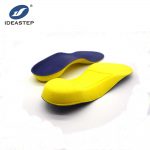
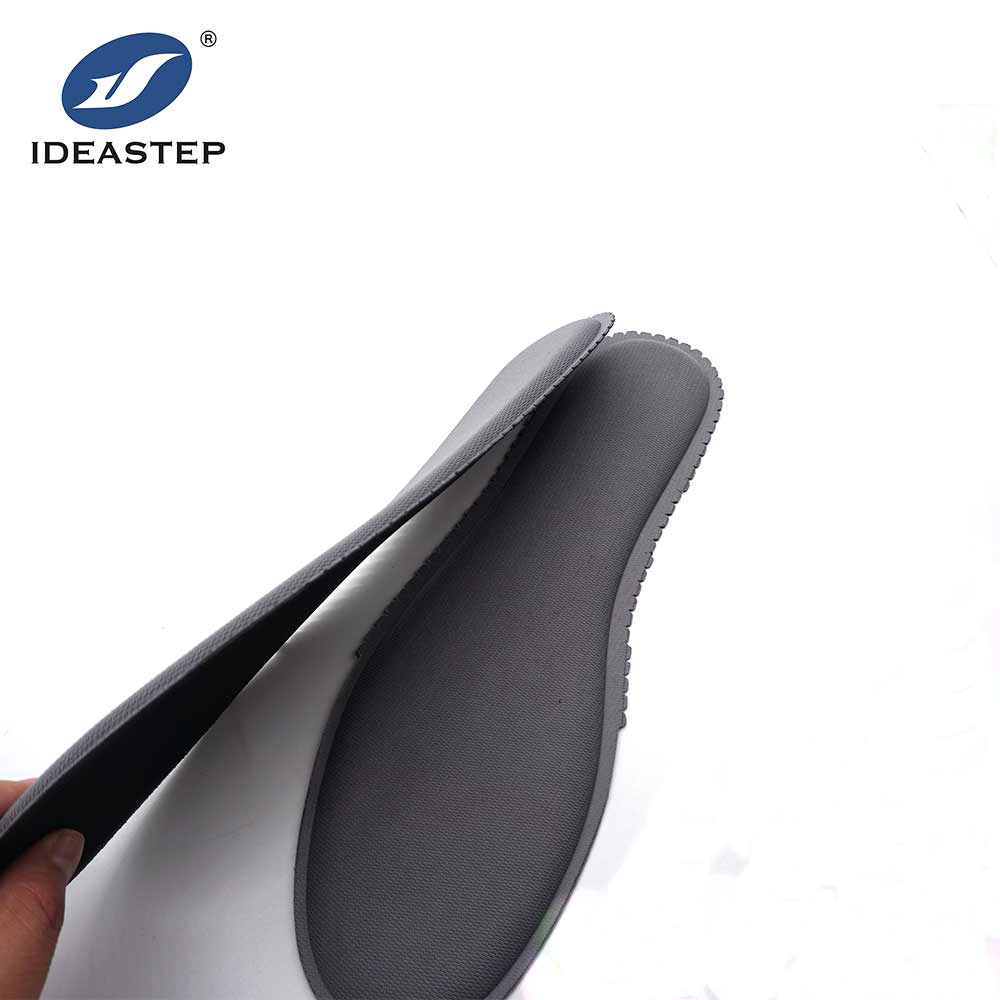
A typical multi-layer boot insole structure may include:
Memory Foam Comfort Layer
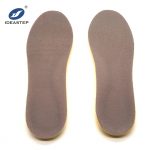
The top memory foam layer provides a soft feel and adaptive cushioning by responding to the user’s foot shape.
EVA Cushioning Layer
EVA foam provides lightweight cushioning, flexibility, and shock absorption. Different EVA densities can be selected depending on the required comfort and support level.
Support Layer
High-density EVA or TPU reinforcement components can be added to improve stability, arch support, and structural durability.
In our experience, the most successful insole designs are not based on choosing a single material. They are developed by combining different materials according to the footwear structure, target users, and performance requirements.
OEM Customization Options for Memory Foam Boot Insoles
Every footwear brand has different product positioning and customer requirements. OEM customization allows manufacturers to create boot insoles that match specific applications.
Material Combination
Brands can customize different material structures, including:
- Memory foam + EVA
- Memory foam + PU foam
- Multi-density foam construction
- Reinforced support structures
Thickness and Hardness Adjustment
Memory foam density, thickness, and hardness can be adjusted according to the intended application.
For example:
- Work boots may require stronger support and durability.
- Outdoor boots may prioritize cushioning and flexibility.
- Lifestyle boots may focus more on softness and comfort.
Customized Support and Branding
OEM projects can include customization options such as:
- Arch support height
- Heel cup design
- Footbed shape
- Logo printing
- Custom colors
- Private label packaging
Applications of Memory Foam Insoles for Different Boots
Work Boots
Work boot users often require comfort and durability during long working hours. Memory foam insoles combined with supportive structures can improve cushioning and reduce foot fatigue.
Safety Boots
Safety footwear usually features heavier construction. Customized insoles help balance protection requirements with improved comfort and shock absorption.
Hiking Boots
Outdoor footwear requires adaptability across different terrains. Memory foam combined with EVA cushioning can provide comfort during long-distance walking and outdoor activities.
Tactical Boots
Tactical footwear requires stability, durability, and mobility. Customized insole structures can provide support while maintaining flexibility for demanding environments.
From Prototype Development to Mass Production
Developing custom memory foam insoles requires a structured OEM process to ensure the final product meets both performance expectations and production requirements.
Requirement Analysis
The process begins with understanding the footwear application, target users, material preferences, and performance goals.
Material Selection
Engineers evaluate memory foam, EVA, support materials, and top covers to create the most suitable construction.
Prototype Development
Samples are produced for evaluation of fit, comfort, thickness, and support performance. Adjustments can be made before mass production.
Mass Production
After approval, standardized manufacturing processes are used to maintain consistency across production batches.
Quality Control for Custom Boot Insoles
Quality consistency is one of the most important factors in large-volume OEM production. A reliable manufacturer should monitor both materials and production processes.
Quality control may include:
- Material density testing
- Hardness verification
- Compression resistance testing
- Dimension inspection
- Bonding quality inspection
- Finished product evaluation
Continuous quality monitoring helps ensure that every production batch meets the agreed specifications.
Why Choose Ideastep as Your OEM Insole Partner?
Developing high-quality boot insoles requires experience in materials, footwear applications, and manufacturing processes.
Ideastep provides OEM and ODM solutions for footwear brands, distributors, and manufacturers worldwide, including:
- Custom memory foam insoles
- EVA foam insole solutions
- Orthotic insole development
- Private label manufacturing
- Large-volume production support
Beyond production, our team supports customers with material recommendations, prototype optimization, and manufacturing solutions to help bring new footwear products to market efficiently.
Frequently Asked Questions
Are custom memory foam insoles suitable for work boots?
Yes. Custom memory foam insoles can be designed for work boots by adjusting material density, support structure, and cushioning performance according to the working environment.
What is the difference between memory foam and EVA boot insoles?
Memory foam focuses on adaptive comfort and pressure distribution, while EVA provides lightweight cushioning, flexibility, and durability. Many professional boot insoles combine both materials to achieve balanced performance.
Can memory foam insoles be customized for different boots?
Yes. Manufacturers can customize thickness, hardness, support structure, materials, and appearance based on different boot applications.
Do you provide samples before bulk production?
Yes. OEM customers can evaluate prototypes before mass production to confirm fit, comfort, and product performance.
Develop Custom Memory Foam Insoles for Boots with Ideastep
Memory foam insoles provide footwear brands with an effective solution to improve comfort, enhance product value, and create differentiated boot products.
From material selection and structural design to prototype development and mass production, Ideastep supports customers throughout the complete OEM development process.
Contact Ideastep today to discuss your custom memory foam insoles for boots project, request samples, and explore OEM solutions designed for your footwear brand.
Related product links: https://www.aideastep.com/product/orthotic-insoles-memory-foam-high-rebound/.