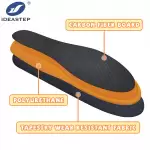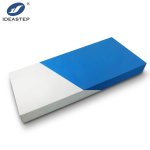
EVA foam insoles are found in many running shoes, walking shoes, work shoes, and replacement insoles because they offer lightweight cushioning without adding unnecessary weight. But what makes EVA such a popular choice for footwear, and is it suitable for everyday use?
An EVA foam insole is a shoe insert made from Ethylene Vinyl Acetate (EVA), a lightweight foam material known for its cushioning, flexibility, and shock absorption properties. Depending on its density, hardness, thickness, and structure, EVA foam can be used for different footwear needs, from basic comfort insoles to performance and orthotic applications.
The material itself is only part of the equation. The overall comfort of an EVA insole also depends on how the foam is engineered, shaped, and matched to the needs of the user.
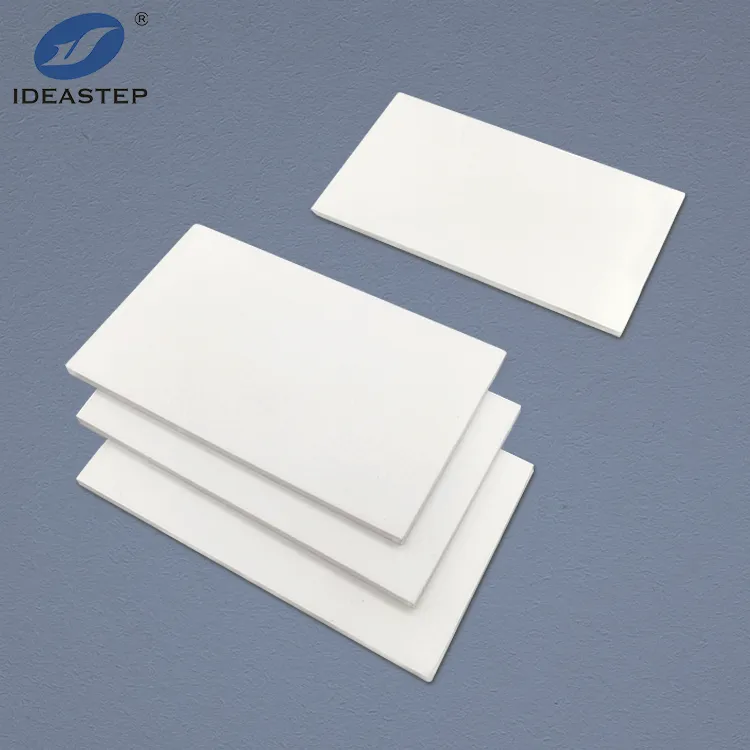
What Is EVA Foam?
EVA (Ethylene Vinyl Acetate) is a closed-cell foam material widely used in footwear because of its balance of softness, flexibility, and durability.
By adjusting the formulation and manufacturing process, EVA foam can be produced with different levels of:
- Density
- Hardness
- Flexibility
- Compression resistance
- Rebound performance
These adjustable properties make EVA suitable for many footwear components, especially insoles and midsoles where cushioning and comfort are important.
What Is an EVA Foam Insole?
An EVA foam insole is a removable insert placed inside a shoe to improve underfoot comfort, cushioning, and support.
Unlike simple padding materials that only add softness, a properly designed EVA insole helps manage how pressure is distributed across the foot during standing and movement.
The performance of an EVA insole is not determined by the foam alone. Factors such as thickness, density, shape, and support structure all influence how the insole feels and performs.
EVA foam insoles can have different designs, including:
- Flat cushioning layers for everyday comfort
- Contoured shapes for improved foot support
- Multi-density structures for different pressure areas
- Special designs for sports or orthotic applications
How Does an EVA Foam Insole Work?
Provides Cushioning During Walking and Running
Every step creates impact between the foot and the ground. Over time, repeated impact can contribute to foot fatigue, especially during long periods of walking, running, or standing.
EVA foam works by compressing slightly under pressure and absorbing part of these forces before they travel through the foot and lower limbs.
For example, people who stand on hard surfaces for many hours often benefit from footwear with effective EVA cushioning because it helps reduce the feeling of foot fatigue.
Helps Improve Pressure Distribution
Foot comfort is not only about softness. The way pressure is distributed across the heel, arch, and forefoot is equally important.
A well-designed EVA foam insole helps spread body weight more evenly, reducing excessive pressure on specific areas and improving overall comfort during movement.
Supports Natural Foot Movement
EVA offers a useful balance between flexibility and support. It allows the foot to move naturally while providing cushioning where it is needed.
This makes EVA suitable for various footwear applications, including walking shoes, sports shoes, casual footwear, and orthotic insoles.
Why Are EVA Foam Insoles Popular?
Lightweight Cushioning
One of the main advantages of EVA is its lightweight structure. It delivers cushioning performance without making shoes feel heavy.
This is especially important for daily footwear, where comfort often depends on reducing unnecessary weight during movement.
Reliable Shock Absorption
EVA foam helps reduce impact forces during walking, running, and standing activities.
Its ability to absorb and recover from compression makes it a common choice for footwear products that require repeated cushioning performance.
Flexible and Comfortable Feel
Unlike rigid materials, EVA can flex with the natural movement of the foot while maintaining cushioning support.
This combination of flexibility and comfort is one reason EVA remains a preferred material for many types of insoles.
Different Performance Options
Not all EVA foam performs the same way. Different hardness and density levels allow manufacturers to create insoles with different comfort and support characteristics.
- Soft EVA provides a cushioned and comfortable feel.
- Medium-density EVA balances comfort and support.
- Higher-density EVA offers greater stability and durability.
Are EVA Foam Insoles Suitable for Different Footwear?
Yes. EVA foam insoles are used in a wide range of footwear because the material can be adjusted for different applications.
Common uses include:
- Running shoes
- Walking shoes
- Work shoes
- Casual footwear
- Orthotic footwear
However, the ideal EVA structure depends on the purpose of the footwear. A running insole may require more shock absorption, while a work shoe insole may need stronger durability and long-term support.
Is More EVA Cushioning Always Better?
Not necessarily.
Many people assume that thicker or softer cushioning always means better comfort. In reality, excessive softness may reduce stability and allow the foot to sink too deeply into the material.
A good EVA foam insole should balance:
- Cushioning
- Support
- Thickness
- Durability
- Foot stability
The best choice depends on the user’s activity level, footwear type, and individual comfort requirements.

How to Choose the Right EVA Foam Insole?
When selecting an EVA foam insole, consider the following factors:
- Density: Determines cushioning level, firmness, and durability.
- Hardness: Influences softness, stability, and underfoot feel.
- Thickness: Affects cushioning and whether the insole fits comfortably inside the shoe.
- Compression resistance: Shows how well the foam maintains its shape after repeated use.
- Design structure: Determines how effectively the insole supports natural foot movement.
A high-quality EVA foam insole should maintain a balance between comfort and long-term performance rather than focusing on only one feature.
Frequently Asked Questions
Are EVA foam insoles comfortable?
Yes. EVA foam insoles are popular because they provide lightweight cushioning, flexibility, and a comfortable underfoot feel for everyday footwear.
How long do EVA foam insoles last?
The lifespan depends on material quality, usage frequency, body weight, and activity level. Higher-quality EVA generally maintains its cushioning properties for a longer period.
Are EVA foam insoles good for running?
Yes. EVA is commonly used in running footwear because it helps absorb repeated impact while keeping the shoe lightweight.
Can EVA foam insoles be washed?
Some EVA insoles can be cleaned with mild soap and water. However, prolonged soaking is not recommended because excessive moisture may affect the foam structure and durability.
Conclusion
An EVA foam insole is a shoe insert made from Ethylene Vinyl Acetate foam that helps improve cushioning, comfort, and support inside footwear.
EVA remains one of the most widely used insole materials because it offers a practical balance of lightweight construction, shock absorption, flexibility, and customizable performance.
However, the best EVA insole is not simply the softest or thickest option. The right combination of foam properties and design determines how effectively it supports foot comfort and daily movement.
Recommended Reading:
Is EVA Material Good for Feet?
What Is EVA Foam in Shoes?