1. Choose the Right Ankle Sock Style
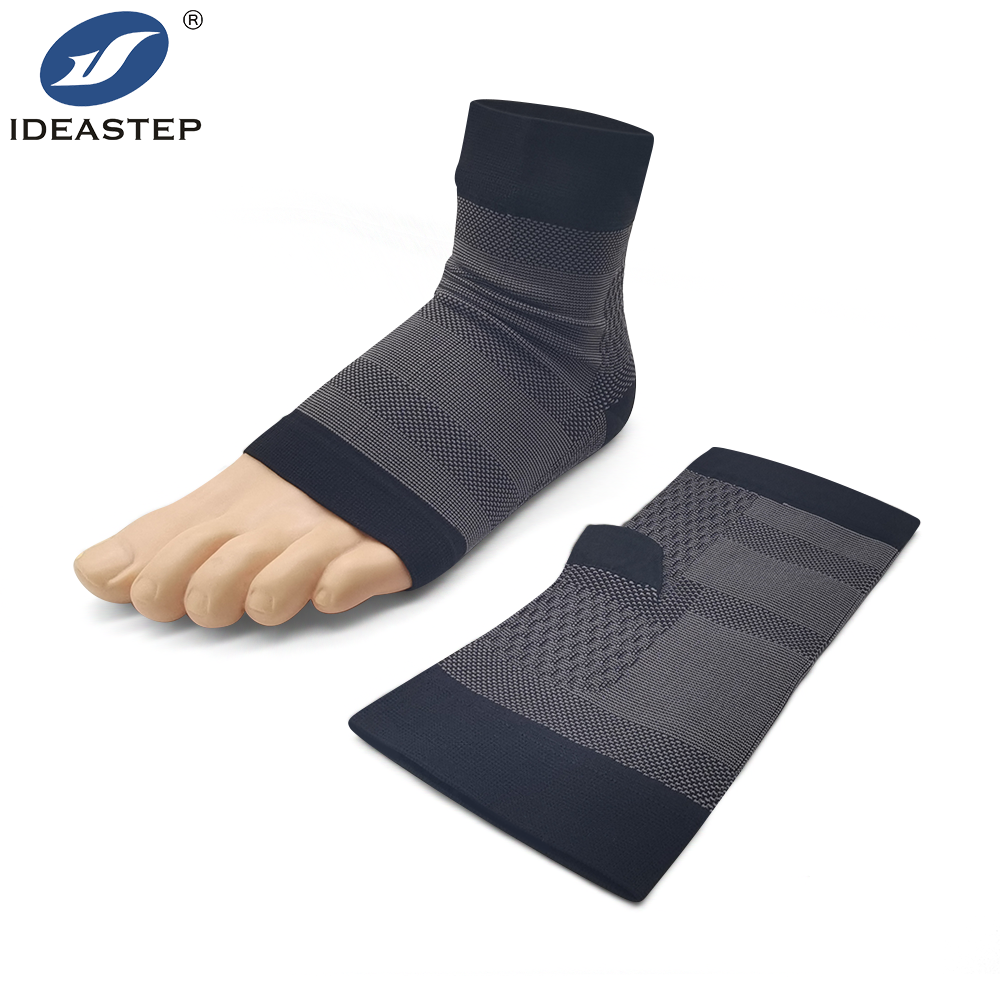
Start by defining how the socks will be worn and which customers they are designed for. Ankle socks vary in height, fit, and coverage, so the style should match the intended market.
- Low-cut ankle socks: Suitable for everyday wear, casual shoes, and athletic footwear.
- No-show socks: Designed to sit below the shoe collar, often with added heel grip to help prevent slipping.
- Standard ankle socks: Provide more coverage around the ankle and work well for sports, casual wear, and everyday use.
Before requesting samples, confirm the sock height, heel shape, toe construction, size range, and intended footwear. These specifications give the manufacturer a clear starting point.
2. Select Materials Based on Product Requirements
Material selection affects comfort, durability, moisture management, stretch, and cost. The best combination depends on the sock’s intended use and target price.
| Material | Main Characteristics | Common Applications |
|---|---|---|
| Cotton | Soft feel and good moisture absorption | Casual and everyday socks |
| Polyester | Durable, lightweight, and quick-drying | Sports and performance socks |
| Nylon | Adds strength and abrasion resistance | Heel and toe reinforcement |
| Spandex | Provides stretch and helps maintain fit | Most fitted ankle sock designs |
Many custom ankle socks use blended yarns rather than a single material. For example, cotton can provide a familiar everyday feel, while polyester and nylon can improve durability. Spandex is commonly added to help the sock retain its shape.
Ask the manufacturer to recommend a yarn blend based on your target market, expected use, and budget. Confirm the actual composition before approving the sample.
3. Customize the Construction and Fit
A well-designed sock needs to fit securely without creating unnecessary pressure. Small construction details can make a noticeable difference in how the product performs.
- Cuff elasticity: Helps keep the sock in place without making the opening uncomfortably tight.
- Heel and toe reinforcement: Can improve resistance to wear in high-friction areas.
- Cushioning: Adds padding where needed, particularly for sports or active-use socks.
- Mesh panels: May improve ventilation in selected areas.
- Toe seam: A flatter seam can reduce bulk inside the shoe.
Not every design needs every feature. Extra yarn, cushioning, or specialized construction may increase unit cost, so prioritize the details that matter to your customers.
4. Plan Your Private Label Customization
Custom ankle socks offer several ways to distinguish a brand, from simple logo placement to fully developed patterns and packaging.
- Logo and branding: Knitted logos, selected embroidery applications, or printed elements where suitable.
- Colors and patterns: Brand colors, stripes, geometric patterns, or custom designs.
- Sizing: Size ranges tailored to the intended market.
- Packaging: Individual sleeves, paper bands, hang tags, or retail-ready packaging.
The best branding method depends on the design, yarn, production process, and order quantity. Knitted logos, for example, need to be checked for readability at the intended sock size.
When developing a new product, provide the manufacturer with your logo files, color references, size specifications, packaging requirements, and any relevant product samples.
5. Understand the Custom Ankle Socks Manufacturing Process
A clear production process helps wholesale buyers manage development and reduce avoidable delays.
Step 1: Confirm the Specifications
Prepare a product brief covering the sock style, material composition, size range, colors, logo placement, construction details, packaging, and target order quantity.
Step 2: Review the Sample
Check the sample for fit, dimensions, stretch, comfort, color accuracy, logo clarity, and overall workmanship. If changes are needed, document them clearly before requesting another sample.
Step 3: Approve the Final Sample
Use the approved sample and written specifications as the reference for bulk production. Any later changes should be confirmed with the manufacturer.
Step 4: Start Bulk Production
Once the sample, price, quantity, packaging, and delivery schedule are confirmed, the manufacturer can proceed with production.
Step 5: Inspect and Prepare the Order
Finished socks should be checked against the agreed requirements before packing and shipment. Inspection arrangements should be confirmed before production begins.
6. Set Clear Quality Control Standards
Quality problems can lead to customer complaints, returns, and delays in repeat orders. Wholesale buyers should agree on inspection criteria before placing a bulk order.
- Dimensions and sizing: Confirm sock length, width, and fit-related measurements.
- Material composition: Verify that the supplied materials match the approved specifications.
- Color consistency: Check for noticeable differences between samples and bulk production.
- Workmanship: Look for loose threads, holes, uneven knitting, and inconsistent seams.
- Stretch and recovery: Check whether the socks retain an acceptable fit after stretching.
- Packaging and labeling: Confirm quantities, labels, barcodes, and packaging details where required.
For larger orders, buyers may also arrange pre-shipment inspections based on agreed sampling criteria. Clearly documented standards make it easier for both parties to identify and resolve quality issues.
7. Confirm MOQ, Pricing, and Lead Time
Minimum order quantity (MOQ), unit price, and production lead time vary by manufacturer and product specifications. Custom yarns, complex patterns, special packaging, and additional production steps may affect all three.
When requesting a quotation, provide as much detail as possible:
- Sock style and material composition
- Size range and color options
- Logo or pattern requirements
- Quantity per design and color
- Packaging and labeling requirements
- Destination market and expected delivery date
Ask the supplier to separate sampling charges, unit pricing, packaging costs, and other applicable fees where possible. Also confirm whether the quoted lead time includes sampling, bulk production, inspection, and shipment.
Comparing quotations on the same specifications gives you a more reliable basis for evaluating suppliers than comparing unit prices alone.
8. How to Choose a Reliable Ankle Socks Manufacturer
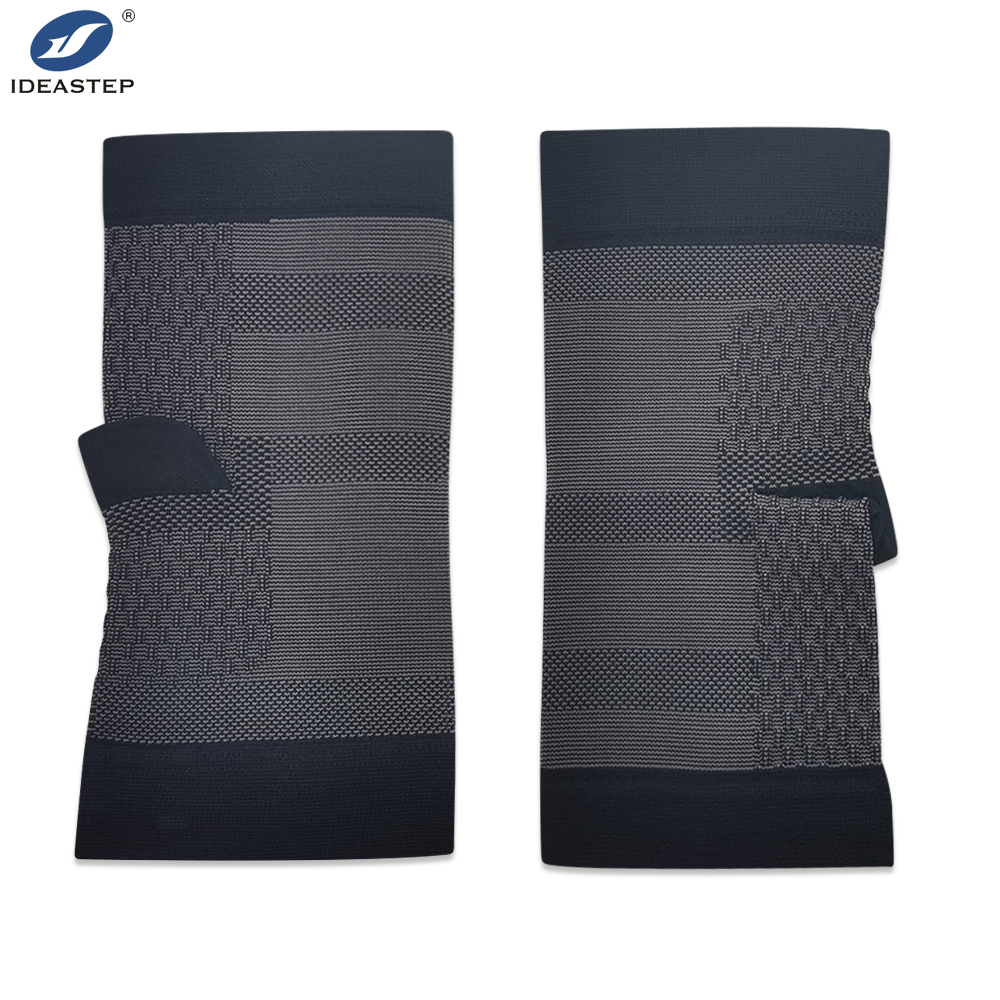
A suitable manufacturing partner should understand your product requirements, communicate clearly, and maintain consistent production standards.
- Product experience: Ask whether the manufacturer has produced similar sock styles and construction types.
- Sampling capability: Review samples to assess fit, materials, branding, and workmanship.
- Production capacity: Confirm whether the supplier can handle your expected quantities and repeat orders.
- Quality procedures: Ask how materials, in-process production, and finished goods are inspected.
- Communication: Check how clearly the supplier handles specifications, revisions, pricing, and delivery updates.
- Customization options: Confirm which materials, colors, logos, and packaging options are available for your order volume.
A detailed quotation and a well-managed sample process can reveal a great deal about how a supplier handles custom projects.
9. Common Mistakes to Avoid
Several issues can be prevented before production begins:
- Choosing materials based on price alone: A lower-cost yarn may not meet your expectations for comfort or durability.
- Providing incomplete specifications: Missing measurements, color references, or logo details can lead to inconsistent results.
- Skipping sample approval: A sample allows you to identify design and fit issues before committing to bulk production.
- Ignoring packaging requirements: Retail labeling and packaging should be included in the original quotation.
- Comparing prices without matching specifications: Different material blends, construction methods, and service levels make direct price comparisons unreliable.
- Leaving delivery terms unclear: Confirm production timing, inspection arrangements, shipping responsibilities, and required delivery dates in advance.
Clear specifications and timely approvals help reduce unnecessary revisions and production risks.
10. Frequently Asked Questions
What information should I provide when ordering custom ankle socks?
Provide the sock style, material composition, size range, colors, logo artwork, construction requirements, packaging details, and estimated quantity. A reference sample or technical drawing can help clarify your expectations.
Can I customize ankle socks with my own logo?
Many manufacturers offer private-label options, including knitted logos, selected printed designs, and custom packaging. Available methods depend on the design and production process.
What affects the MOQ for custom ankle socks?
MOQ may depend on the manufacturer’s production setup, yarn availability, number of colors, design complexity, and packaging requirements. Ask for the MOQ per design and color rather than assuming one quantity applies to the entire order.
How long does custom ankle sock production take?
Lead time varies with sampling, material availability, order size, design complexity, and factory scheduling. Request a project-specific timeline and confirm whether it includes sampling and shipment.
How can I maintain consistent quality across repeat orders?
Keep the approved sample, material specifications, size measurements, color references, and inspection criteria on record. Confirm any proposed changes with the manufacturer before production starts.
Conclusion
Successful ankle socks custom manufacturing starts with clear product specifications and a realistic understanding of materials, construction, pricing, and quality requirements. For wholesale brands, approving a detailed sample and agreeing on inspection standards before bulk production are essential steps.
If you are developing a private-label ankle sock range, prepare your design, target quantity, material preferences, and packaging requirements before requesting quotations. This gives manufacturers the information they need to assess the project and provide a more accurate proposal.
Related product links: https://www.aideastep.com/product/ideastep-max24003-ankle-support-compression-socks/.