EVA Outsole vs Rubber, PU, and PVC: A Practical Guide for Footwear Buyers
Selecting the right outsole material affects footwear performance, production cost, and market positioning. Among different sole materials, eva outsole is widely used in sports, casual, and lightweight footwear because it provides a practical balance of cushioning, flexibility, and weight.
For footwear brands, manufacturers, and distributors, understanding the differences between EVA, rubber, PU, and PVC helps make better decisions during product development and sourcing.
This guide compares common shoe sole materials and explains why many footwear companies choose EVA for customized footwear solutions.
What Is an EVA Outsole?
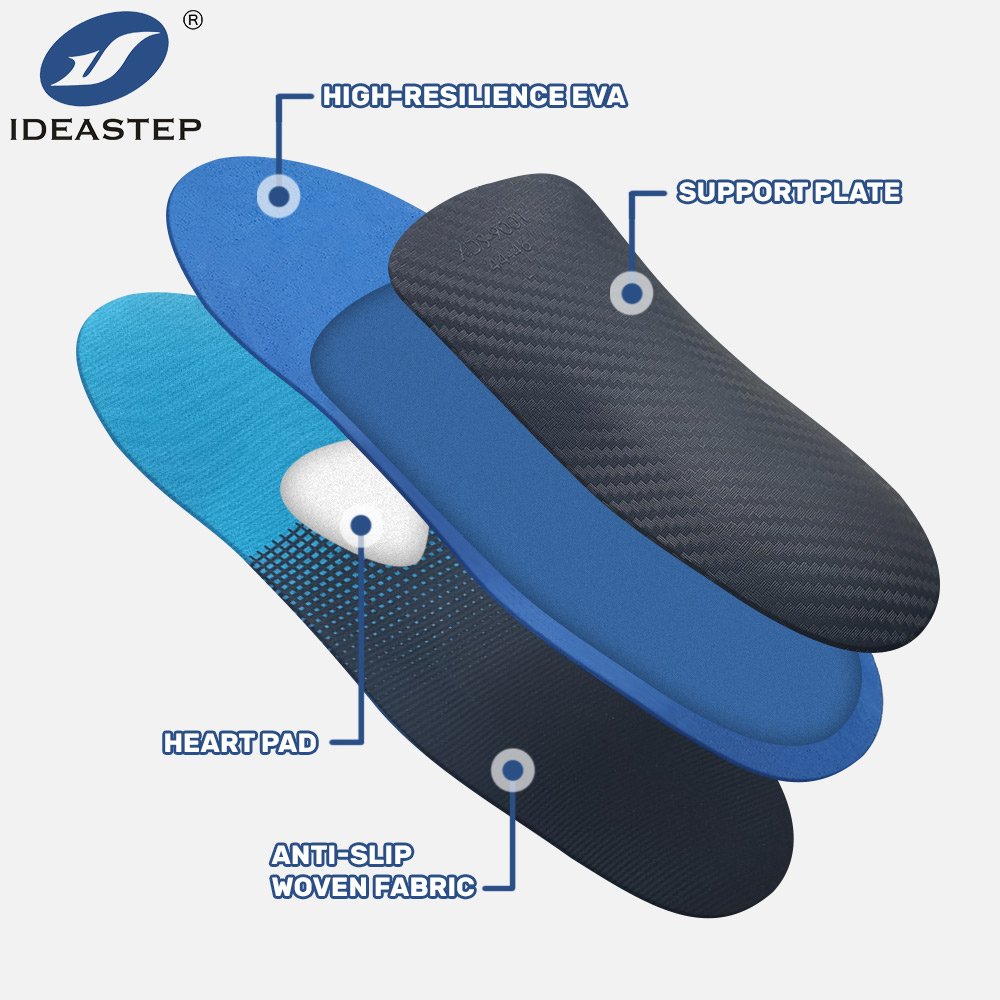
An EVA outsole is a shoe sole component made from Ethylene Vinyl Acetate (EVA), a lightweight foam material commonly used in footwear manufacturing.
During production, manufacturers can adjust EVA formulations by controlling:
- Density
- Hardness
- Foam structure
- Rebound performance
- Compression resistance
These adjustments allow manufacturers to develop EVA outsoles for different footwear applications, including running shoes, casual sneakers, children’s footwear, and lightweight sports shoes.
Why Footwear Brands Choose EVA Outsoles
Many footwear brands select EVA because it offers a balanced combination of comfort, customization flexibility, and cost efficiency.
Lightweight Cushioning and Flexibility
One of the main advantages of EVA is its lightweight structure. Compared with many traditional sole materials, EVA helps reduce shoe weight while maintaining comfortable cushioning.
By adjusting EVA density and hardness, manufacturers can develop different performance levels for various footwear categories:
- Soft EVA for enhanced comfort
- Medium-density EVA for balanced cushioning and support
- Higher-density EVA for improved durability and stability
This flexibility makes EVA suitable for athletic footwear, casual shoes, and everyday comfort products.
Customization Advantages
For OEM footwear projects, EVA provides excellent customization options. Manufacturers can adjust:
- Hardness levels
- Density specifications
- Colors
- Surface textures
- Thickness
- Outsole patterns
These options allow brands to create footwear products that match different market requirements and design concepts.
EVA Outsole vs Other Sole Materials
Different outsole materials offer different performance characteristics. The best choice depends on footwear application, target market, and product requirements.
EVA Outsole vs Rubber Outsole
| Feature | EVA Outsole | Rubber Outsole |
|---|---|---|
| Weight | Lightweight | Heavier |
| Cushioning | Excellent | Moderate |
| Flexibility | High | Medium |
| Durability | Good | Excellent |
| Grip | Depends on surface design | Excellent |
EVA is commonly selected for lightweight comfort footwear, while rubber remains preferred for products requiring higher abrasion resistance and traction. Many modern footwear designs combine EVA cushioning layers with rubber contact areas to achieve both comfort and durability.
EVA Outsole vs PU Outsole
| Feature | EVA Outsole | PU Outsole |
|---|---|---|
| Weight | Lighter | Heavier |
| Cushioning | Excellent | Good |
| Flexibility | Higher | Moderate |
| Wear Resistance | Good | Excellent |
| Cost | More competitive | Higher |
EVA is often chosen for lightweight and comfort-focused footwear, while PU is more suitable for applications requiring stronger wear resistance and structural durability.
EVA Outsole vs PVC Outsole
| Feature | EVA Outsole | PVC Outsole |
|---|---|---|
| Weight | Lightweight | Heavier |
| Comfort | Higher | Moderate |
| Flexibility | Excellent | Lower |
For footwear products where comfort, flexibility, and lightweight performance are priorities, EVA is generally a more suitable material choice.
EVA Outsole Applications in Footwear Manufacturing
Because of its adaptable properties, EVA is widely used in different footwear categories, including:
- Running footwear
- Casual sneakers
- Children’s shoes
- Slippers
- Lifestyle footwear
Different applications require different EVA specifications. For example, sports footwear may require better rebound performance, while casual footwear may focus more on comfort and appearance.
Custom EVA Outsole Manufacturing Process
For footwear brands and OEM buyers, choosing a supplier with strong customization capability is important for product development.
Material Specification Confirmation
Manufacturers evaluate product requirements and confirm key specifications, including:
- Hardness
- Density
- Rebound rate
- Compression performance
- Color requirements
Sample Development
Before mass production, manufacturers usually create samples to confirm:
- Product dimensions
- Surface design
- Material performance
- Overall appearance
Sample approval helps reduce production risks and ensures the final product meets customer expectations.
Quality Testing and Mass Production
Professional suppliers control production consistency through:
- Raw material inspection
- Density testing
- Hardness testing
- Finished product inspection
Stable quality control is essential for brands requiring repeat wholesale orders.
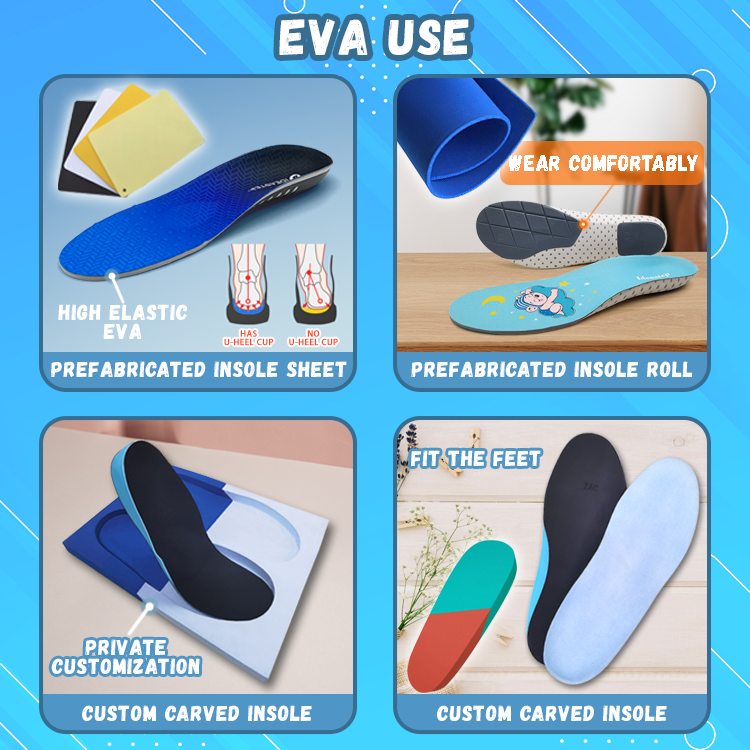
How to Choose an EVA Outsole Supplier
Selecting the right supplier directly affects product quality, delivery reliability, and long-term cooperation.
EVA Material Experience
A supplier experienced in EVA foam materials understands how different formulations influence outsole performance.
Important capabilities include knowledge of:
- Foam technology
- Density control
- Hardness adjustment
- Material testing
Custom Development Capability
A reliable EVA outsole manufacturer should support:
- Custom specifications
- Product sampling
- Surface designs
- OEM requirements
Quality Control System
Professional suppliers should maintain consistent standards for material properties and finished products to support stable wholesale production.
Frequently Asked Questions About EVA Outsoles
Is EVA a good material for shoe outsoles?
Yes. EVA is widely used because it provides lightweight construction, cushioning, flexibility, and customization options.
What is the difference between EVA and rubber outsoles?
EVA is lighter and provides better cushioning, while rubber usually offers stronger durability and traction.
Can EVA outsoles be customized for footwear brands?
Yes. Manufacturers can customize EVA density, hardness, colors, textures, thickness, and outsole designs according to customer requirements.
Conclusion
Choosing the right outsole material depends on the specific needs of each footwear project. Rubber may provide stronger durability, while PU may offer higher wear resistance. However, eva outsole remains a preferred choice for brands seeking lightweight, flexible, and comfortable footwear solutions.
Working with an experienced EVA outsole manufacturer helps footwear companies achieve consistent quality, customized development, and reliable supply for long-term product growth.
Related product links: https://www.aideastep.com/eva/.