For football footwear brands, sports shoe manufacturers, and distributors, selecting the right insole solution is important for balancing cushioning, stability, weight, and production requirements.
Memory foam insoles for football boots are widely used in sports footwear because they provide soft cushioning, pressure distribution, and improved comfort. However, for businesses developing football footwear products, material selection alone is not enough. The insole structure, thickness, durability, and manufacturing capability also influence the final product performance.
This guide covers the key factors buyers should consider when sourcing memory foam insoles for football boots.
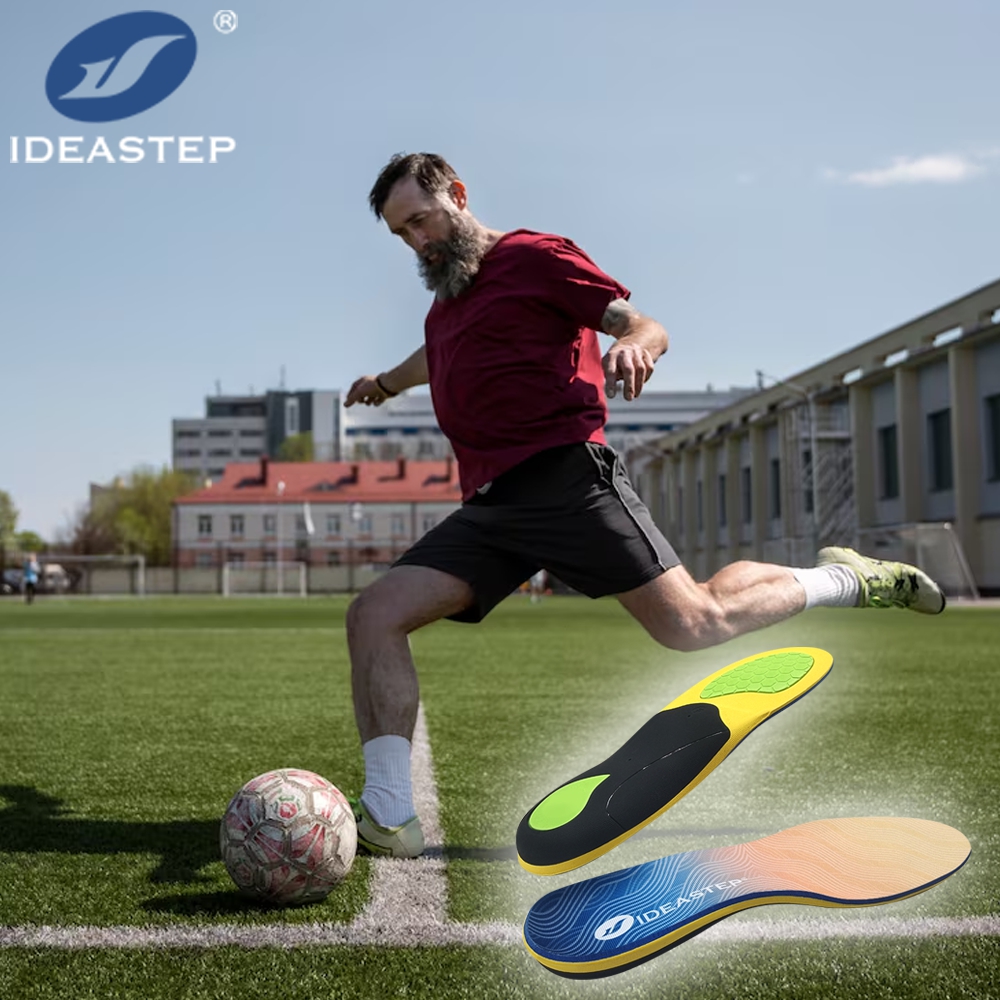
Why Use Memory Foam Insoles for Football Boots?
Football involves repeated impact, quick movement, and long periods of activity. A well-designed insole can improve comfort while helping brands create better footwear experiences.
Improved Cushioning and Comfort
Memory foam adapts to foot pressure and provides soft cushioning during movement.
- Shock absorption
- Reduced pressure feeling
- Improved wearing comfort
For football footwear, memory foam is often combined with supportive materials to achieve a balance between cushioning and stability.
Better Pressure Distribution and Fit
During football activities, pressure is mainly concentrated in areas such as the heel and forefoot.
Memory foam helps distribute pressure more evenly and improves the connection between the foot and the boot.
This makes it suitable for:
- Football boots
- Training shoes
- Indoor sports footwear
Key Factors When Sourcing Memory Foam Insoles for Football Boots
For brands and buyers, selecting the right product requires evaluating materials, structure, customization, and supplier capability.
Material Structure
Memory foam is usually combined with other materials to improve overall performance.
| Material | Function |
|---|---|
| Memory Foam | Cushioning and pressure distribution |
| EVA Foam | Lightweight support and shock absorption |
| TPU | Stability and structural reinforcement |
| Fabric Top Layer | Breathability and comfort |
A multi-layer design allows manufacturers to balance softness, support, weight, and durability.
Thickness and Weight Control
Football boots usually have limited internal space, so insole thickness and weight need careful control.
Manufacturers should consider:
- Low-profile design
- Proper thickness
- Lightweight construction
- Footwear compatibility
The goal is to improve comfort without affecting the original fit of the football boot.
Breathability and Durability
Sports footwear requires good moisture management and long-term durability.
Important factors include:
- Breathable top fabrics
- Layer bonding quality
- Material resilience
- Shape retention
These factors directly affect product performance during repeated use.
OEM Customization for Memory Foam Football Insoles
For sports footwear brands, customization capability is a key factor when choosing a supplier.
An experienced OEM manufacturer can provide:
- Custom insole structure design
- Material selection
- Foam density adjustment
- Thickness customization
- Logo branding
- Packaging solutions
Different markets may require different solutions:
- Professional football products focus on lightweight performance;
- Training footwear emphasizes comfort and durability;
- Retail products may require private label customization.
A capable manufacturer can help optimize product design before mass production.
Manufacturing Process of Memory Foam Insoles
A reliable production process ensures product consistency.
Product Development
Manufacturers evaluate:
- Application requirements
- Material combinations
- Product structure
- Size specifications
Samples are then developed for testing.
Sample Testing and Production
Before bulk orders, samples are checked for:
- Comfort
- Fit
- Material performance
- Workmanship
After approval, production begins with controlled processes such as:
- Material preparation
- Layer bonding
- Cutting and forming
- Quality inspection
How to Choose a Football Insole Manufacturer?
Choosing the right supplier affects product quality, delivery, and long-term cooperation.
Manufacturing Experience
Look for suppliers with experience in:
- Sports insoles
- Foam material applications
- OEM projects
- Large-volume production
Custom Development Capability
A qualified supplier should support:
- Prototype development
- Material recommendations
- Product improvement
- Private label solutions
Quality Control and Production Capacity
Before cooperation, buyers should confirm:
- Quality inspection procedures
- Production capability
- Delivery reliability
- Bulk order support
A stable manufacturing partner helps brands reduce development risks.
Why Partner with Ideastep for Memory Foam Insoles?
Developing football insoles requires experience in materials, product design, and manufacturing processes.
Ideastep provides custom insole solutions and OEM manufacturing services for sports footwear brands, distributors, and footwear companies.
Our capabilities include:
- Custom insole development
- Material combination solutions
- Prototype sampling
- Bulk production
- Private label support
From initial design to final production, Ideastep helps customers develop football insole solutions that match different market requirements.
Sample evaluation is available before bulk production, allowing buyers to confirm product quality before large orders.
FAQ About Memory Foam Insoles for Football Boots
Can manufacturers customize memory foam insoles for football boots?
Yes. Manufacturers can customize materials, structures, thickness, branding, and packaging according to product requirements.
What materials are commonly combined with memory foam?
Common combinations include EVA foam, TPU support layers, and breathable fabric covers to improve comfort, stability, and durability.
What should brands consider when sourcing football boot insoles?
Buyers should evaluate material performance, product structure, customization capability, production experience, and quality control.
Can suppliers provide samples before bulk production?
Yes. Sample testing allows buyers to evaluate product fit and performance before placing large orders.
Conclusion
Memory foam insoles for football boots provide sports footwear brands with an effective way to improve cushioning, comfort, and product differentiation.
When sourcing football insoles, businesses should focus on material structure, customization capability, manufacturing experience, and quality control.
Working with an experienced football insole manufacturer allows brands to develop reliable products while maintaining stable quality and supply.
Related Reading:
Memory Foam Insoles for Hiking Boots
Best Memory Foam Insoles for Walking