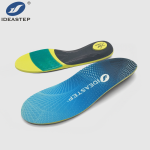
Memory foam insoles use viscoelastic foam technology to create a soft and adaptive feel under the foot. The material responds to pressure and gradually conforms to foot shape, which makes it a popular choice for everyday footwear, work shoes, and comfort-focused applications.
Memory foam insoles can improve underfoot comfort, but they are not designed for every foot type or activity. Their performance depends on factors such as foam density, shoe design, and whether the user needs more cushioning or additional support.
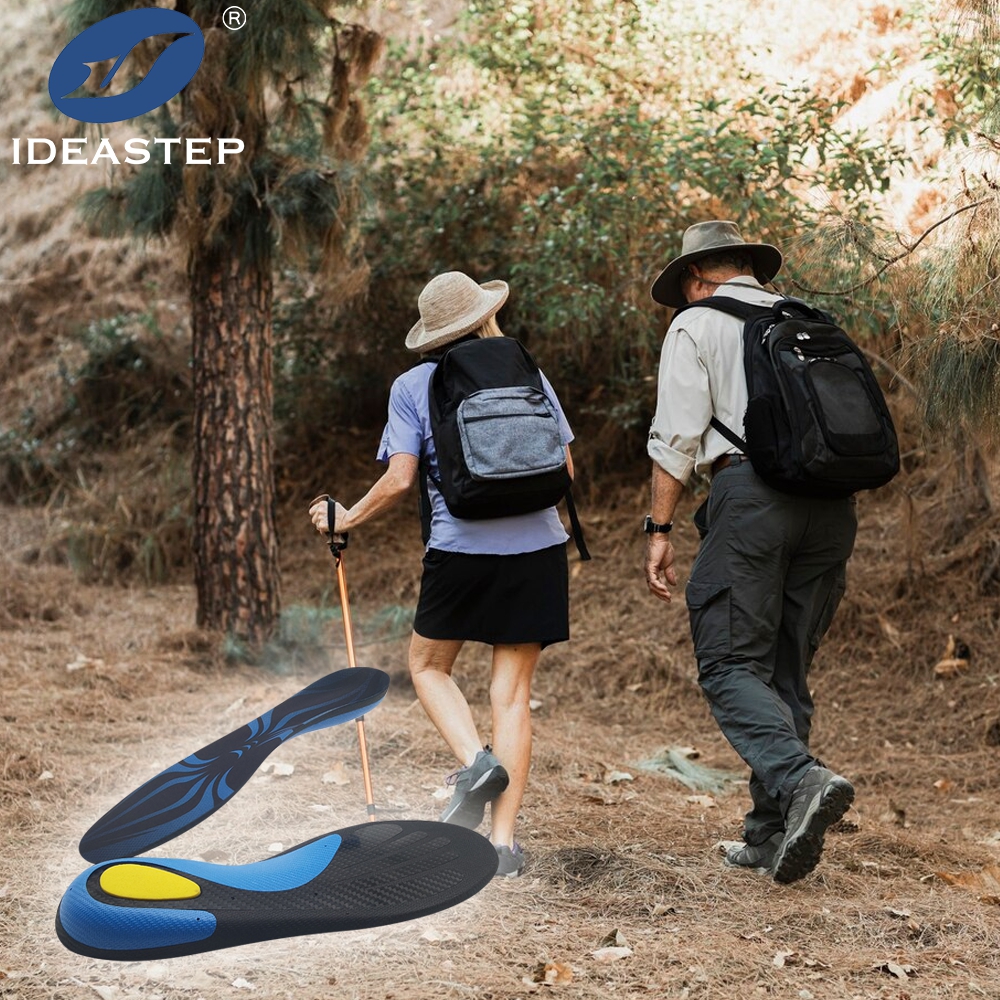
What Are Memory Foam Insoles?
Memory foam insoles are shoe inserts made with viscoelastic foam that changes its response based on pressure and temperature.
The foam has a slow-recovery structure that allows it to compress gradually when the foot applies pressure and return to its original shape after use.
This adaptive characteristic creates a softer feeling inside the shoe and helps improve overall walking comfort.
Benefits of Memory Foam Insoles
Soft Cushioning and Comfort
The main advantage of memory foam insoles is their soft cushioning performance.
The foam absorbs part of the impact generated during walking and standing, helping create a more comfortable feel for daily activities.
This makes memory foam a common choice for casual footwear, walking shoes, and work shoes where comfort is a priority.
Pressure Distribution
Memory foam gradually adapts to the shape of the foot and increases the contact area between the foot and the insole.
By spreading pressure more evenly, the material can reduce the feeling of concentrated pressure in areas such as the heel and forefoot.
Adaptive Fit and Flexibility
Unlike rigid support materials, memory foam provides a softer and more flexible underfoot experience.
Its ability to follow individual foot contours creates a personalized feeling, which is one reason it remains popular in comfort footwear designs.
Limitations of Memory Foam Insoles
Limited Structural Support
Memory foam focuses mainly on cushioning rather than structural control.
For footwear that requires stronger support, manufacturers often combine memory foam with materials such as EVA, TPU, or other support layers to create a better balance between comfort and stability.
Compression Over Time
Like other foam materials, memory foam can gradually compress after repeated use.
The long-term performance depends on factors such as foam density, material quality, usage frequency, and the amount of pressure applied during wear.
Heat Retention
Some memory foam materials may retain more heat because of their dense structure.
To improve airflow, many designs add breathable fabric covers or combine memory foam with ventilation features.
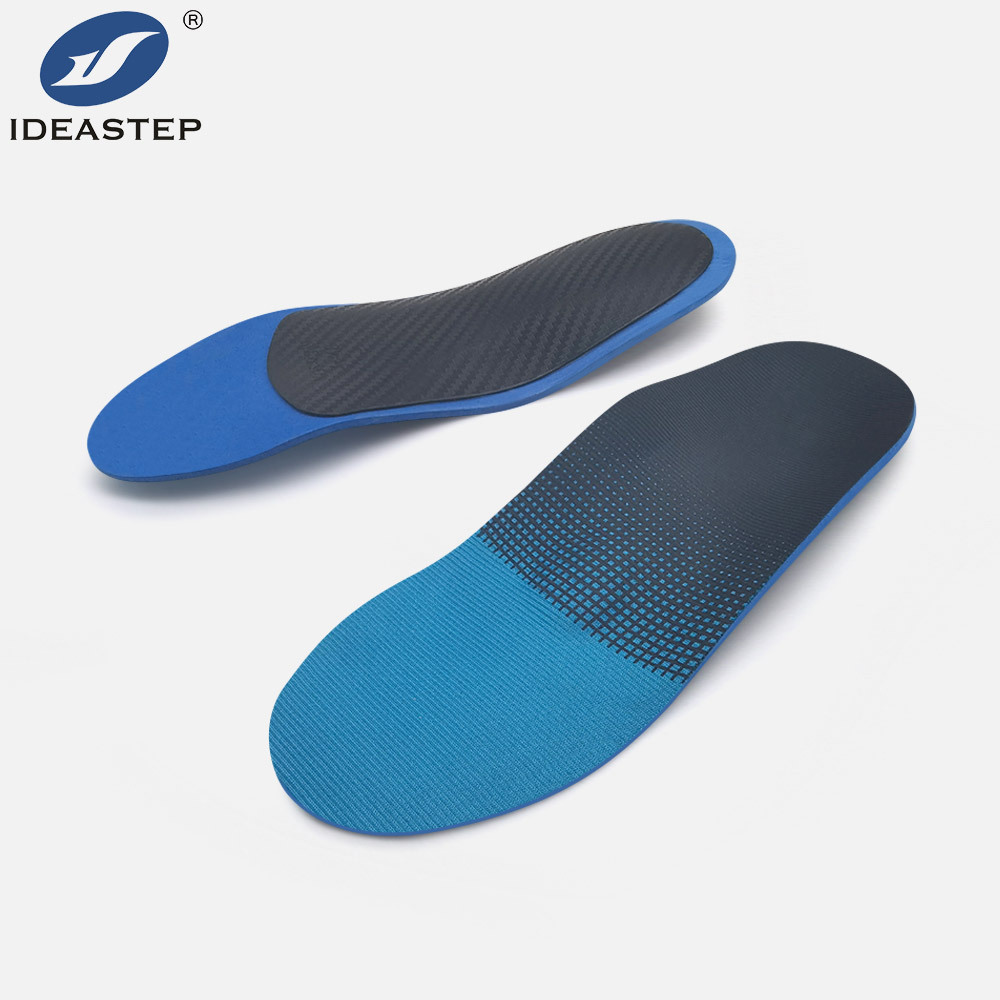
Memory Foam Insoles vs EVA Insoles
| Feature | Memory Foam Insoles | EVA Insoles |
|---|---|---|
| Material Feel | Soft and adaptive | Responsive and supportive |
| Cushioning | High initial comfort | Balanced cushioning performance |
| Support | Moderate structural support | Available in different hardness and density levels |
| Durability | Depends on foam density and quality | Generally maintains stable performance |
| Common Applications | Daily comfort footwear | Sports, footwear, and orthotic applications |
Who Should Consider Memory Foam Insoles?
Memory foam insoles are often chosen for footwear where softness and comfort are the main priorities.
They are commonly used in:
- Casual shoes
- Walking footwear
- Work shoes
- Comfort-focused footwear
For users who need additional support, a multi-layer insole design that combines cushioning foam with supportive materials may provide a better overall experience.
Are Memory Foam Insoles Good for Feet?
Memory foam insoles can be a good choice when comfort, cushioning, and pressure distribution are the main requirements.
They create a softer walking experience by adapting to foot shape and reducing pressure concentration. However, they may not provide enough structural support for every user or every type of activity.
The right insole depends on individual needs, footwear design, and the balance between cushioning and support.
Conclusion
Memory foam insoles provide soft cushioning, adaptive comfort, and pressure distribution, making them suitable for many everyday footwear applications.
However, comfort and support are different design goals. For better performance, many modern insole designs combine memory foam with supportive materials to achieve a balance between softness, stability, and durability.
Related Reading:
Memory Foam Insoles for Cowboy Boots
Memory Foam Insoles for Hiking Boots
EVA Memory Foam Insoles: Material Benefits and Custom OEM Solutions for Footwear Brands